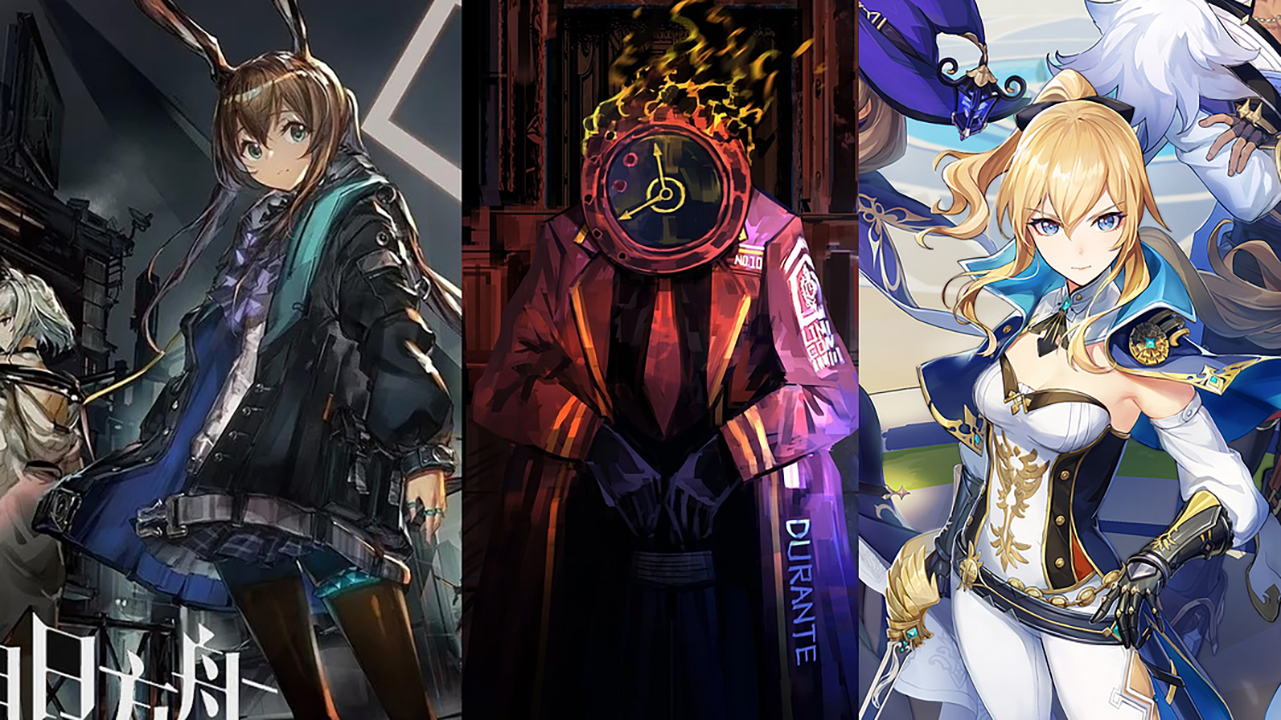
Gacha games have been a hot topic around the videogame community for quite some time, with discussions around the ethics of in-game gambling, gameplay features, and presence of FOMO (fear of missing out) in limited banners. The genre would explode in popularity and exposure during the Covid-19 pandemic with the release of Hoyoverse game Genshin Impact, which while exposing much of the world to the gacha game genre did put as big of a stain as a shine in the genre’s reputation. Complaints about its gameplay, having to grind for RNG gear stats, and the abysmal 0.6% gacha rate for a 5 star (still horrendous today) put a lot of hatred towards the game and gachas in general.
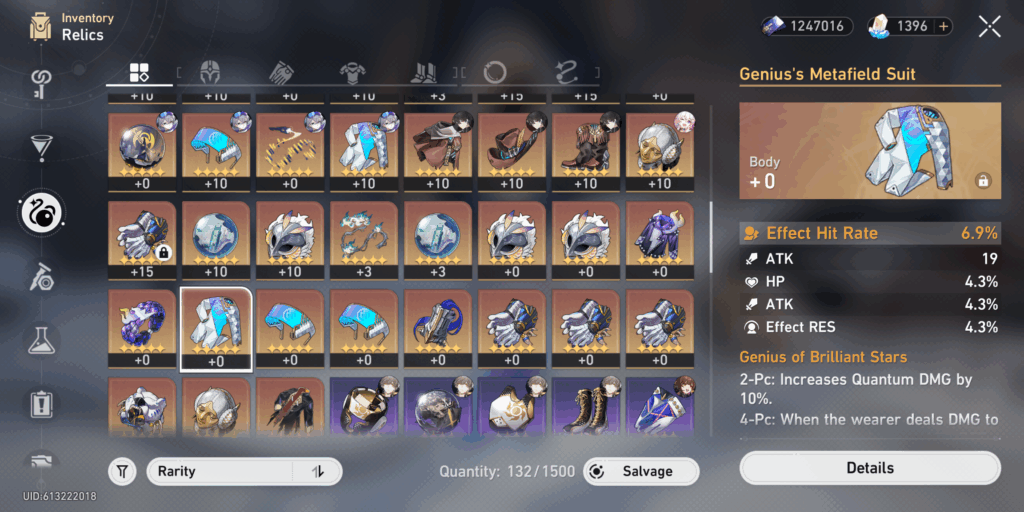
It’s company successor, Honkai Star Rail, didn’t really do much to help either, falling into the grind and FOMO hole that Genshin Impact was already in. Players found that in both games, having to log in daily to grind for RNG gear stats to max out their characters and grinding for banner pull currency soon turned into nothing but boring labor similar to that of a real life job, turning many away from the gacha genre as a whole, thinking that all other games associated with the word “gacha” would fall into this pit of endless grind and labor. However, one would argue that there are numerous examples in the gacha genre that show boring labor and grueling grind sessions shouldn’t be fully connected to the words “gacha game.”
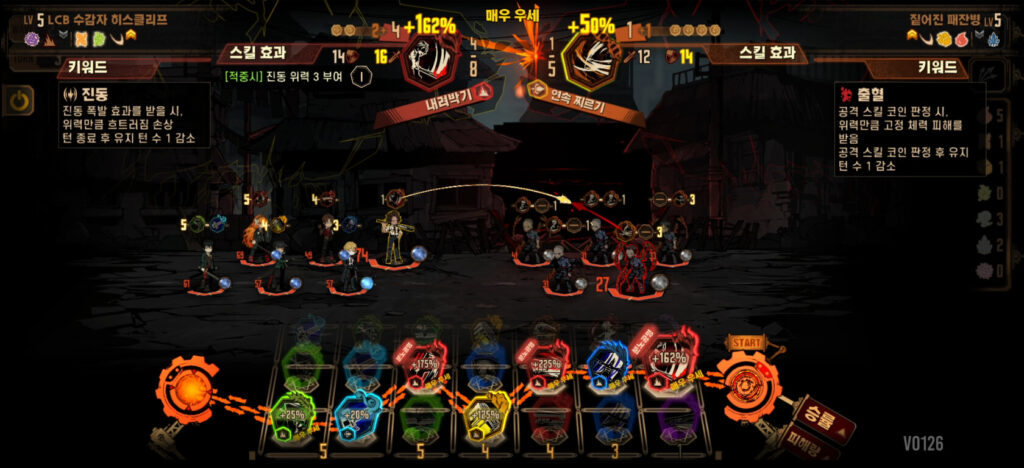
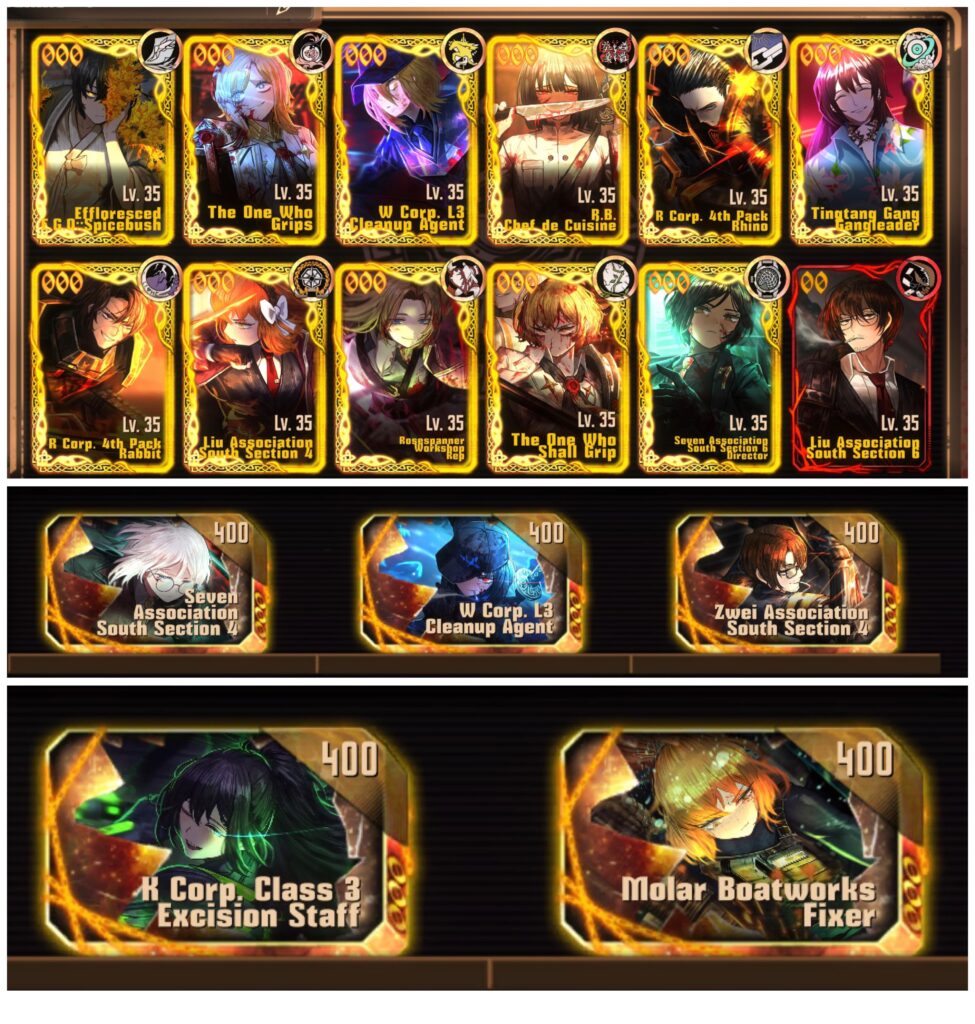
The first example of this would be the game Limbus Company. The game centers around you, the Manager Dante, controlling a team of 12 “Sinners” who are all characters from various works of literature, from Moby Dick’s Ishmael to Wuthering Heights’ Heathcliff to Metamorphosis’ Gregor, throughout various coin flip battles (sounds weird ik look up on YouTube gameplay is hard to explain). Whilst the game does feature a traditional gacha banner system with pull currency that can be obtained after beating every level, the main differentiator of the game lies in the ID Shard shop. The game features a free and paid battlepass that rewards the player with shard boxes that contain 1-3 shards of any sinner, which in turn can be exchanged in the shard shop for any character featured on any gacha banner to date. Even without the paid battlepass, players can still obtain a full team of 3 star (highest rarity) characters within a short time.
The game also features no grinding aspects or features, relying on an instant auto battle system that unlocks after beating a level for the first time. RNG gear systems and the need to pull for duplicate characters for character buffs like those in Hoyoverse games are also absent, where the one character you obtain from either the gacha banner or shard shop being the strongest they can possibly be once leveled up fully. Thus, much of the problems and complaints of Hoyoverse games like Genshin Impact and Honkai Star Rail are absent all throughout Limbus Company.
Another example of gacha games branching away from the Hoyoverse model comes through the game Arknights. Arknights is centered around tower defense where you deploy a squad of 12-13 “Operators” to defeat waves of moving enemies. Similar to Limbus Company, the game doesn’t feature an RNG gear system or much of a need to grind, deploying an auto battle system instead. The game also doesn’t require you to pull for the same character on the same banner multiple times to make them playable or stronger unlike Hoyoverse games. But where Arknights takes it a step further in its free-to-play accessibility through its certificate shop and recruitment system.
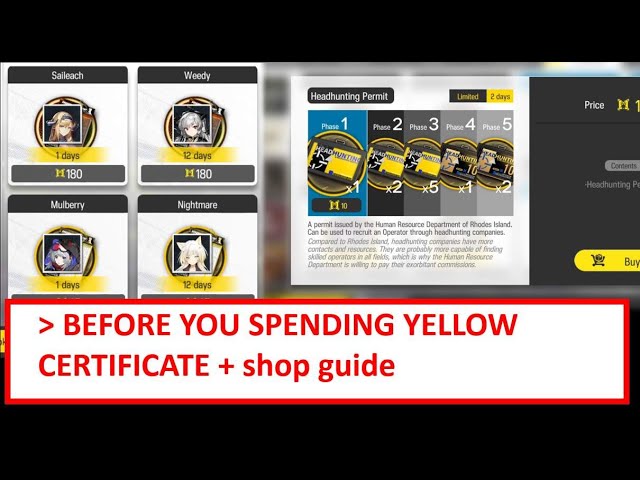
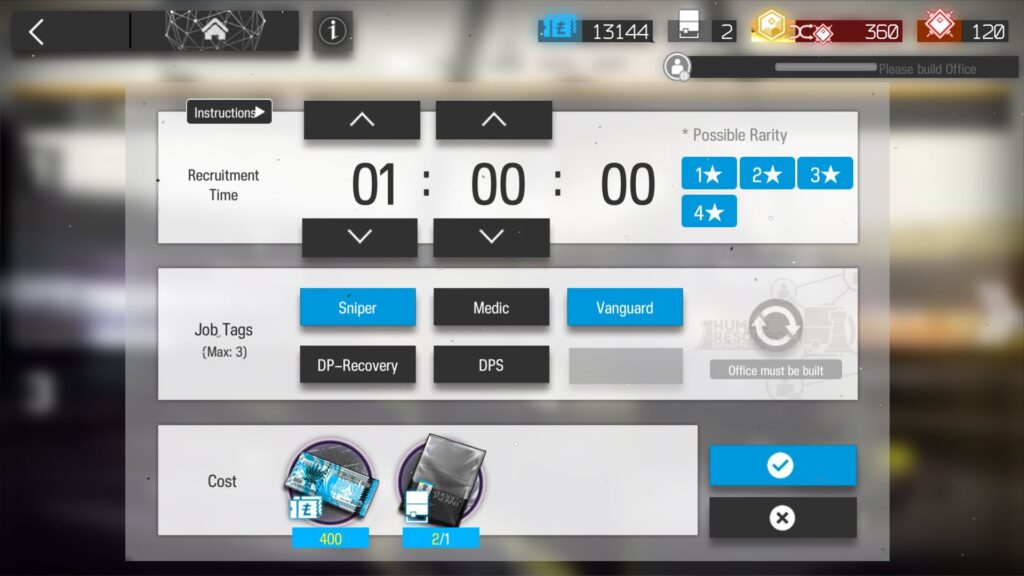
In Arknights, recruitment is a system where you can use in-game recruitment books given in the daily free credit store and event rewards to obtain operators without having to pull on the gacha banner system. While there are some limitations to this, as you cannot recruit the most recent 6 star high rarity operators and high rarity recruitments are limited to specific tags, the system does allow for both new and veteran players to circumnavigate the gacha system to obtain their wanted high rarity operators. Furthermore, through recruitment and banner pulls, the player gains yellow and green certificates based on the rarity of the operator pulled/recruited. The player can then spend these certificates on more banner pulls, resources, and even new 5 and 6 star operators for free. This differs greatly from Genshin and HSR where you could only buy 5 limited banner pulls every month in the shop and couldn’t buy high rarity characters for a long time.
Overall, while there are indeed games within the gacha genre that do exemplify the “boring labor and grueling grind” problem, there are indeed gacha games that stem away from this problem by offering a more free-to-play gacha model and simplified gameplay mechanics that shy away from gear grinding and RNG stats. Other features of both games, such as their gameplay and especially both their stories, have also drawn widespread fervor and praise from within and outside the gacha community (even one of the writers of Baldur’s Gate 3 praised the story event Lone Trail in Arknights for its writing and narrative themes on the space race).
Aside from the two given examples of Limbus Company and Arknights, there are other games like Reverse1999 that convey this same message. While most gacha games will still include the infamous limited banners and a sense of FOMO, labelling every single gacha game as too grindy, laborous, and similar to Genshin and Honkai without exploring other games inside the genre would do the genre a disservice, as one says “you cannot judge a book by its cover.”