
Video games may be many people’s stress reliever, but they stress me out. Before taking Critical Video Games Studies, I almost never played video games, except when I was with my friends. I usually lost patience when I faced difficulties in games and ended up quitting to do something else.
Why do game designers make games so difficult and frustrating? I got to glimpse inside game designers’ minds at the Challenging Play: Puzzles, Performance, Practice panel in the Year of Games Symposium last Saturday.
Turns out, most game designers don’t have to evil plans of making their games impossible to beat and sending players into spirals. Difficulty isn’t necessarily every designer’s goal. Games are designed to be challenging so players would pay attention. Designers want their players engaged, immersed, and attentive. Feelings of frustration is part of the engagement, too. Games, or puzzles, are meant to be solved ultimately, so designers are kind enough to put enough scaffoldings in their game to encourage players.
People play video games, puzzles, or any forms of games expecting themselves to be challenged. They want to master hard tasks. Thus, for game designers, they must think about how they could craft friction that is fun for players to fail at. Professor Pearce pointed out the interesting fact that game design is the opposite of regular design—instead of making designs easy and convenient, games are made to be unnecessarily difficult. It’s about creating “pleasant friction”, something enjoyable yet difficult enough to keep players invested.
Perry added that game designers must think about what exact kind of friction they want to put in their game and try not to let any accidental friction slip in. This friction would test players puzzle solving skills, patience, attentiveness, grit, or perception.
Difficulty is necessary so players would explore more. Designers don’t want to limit the players. Since every problem is always solvable, designers would provide various tools for players and let them fail and figure out at least one of the many possible solutions in a game.
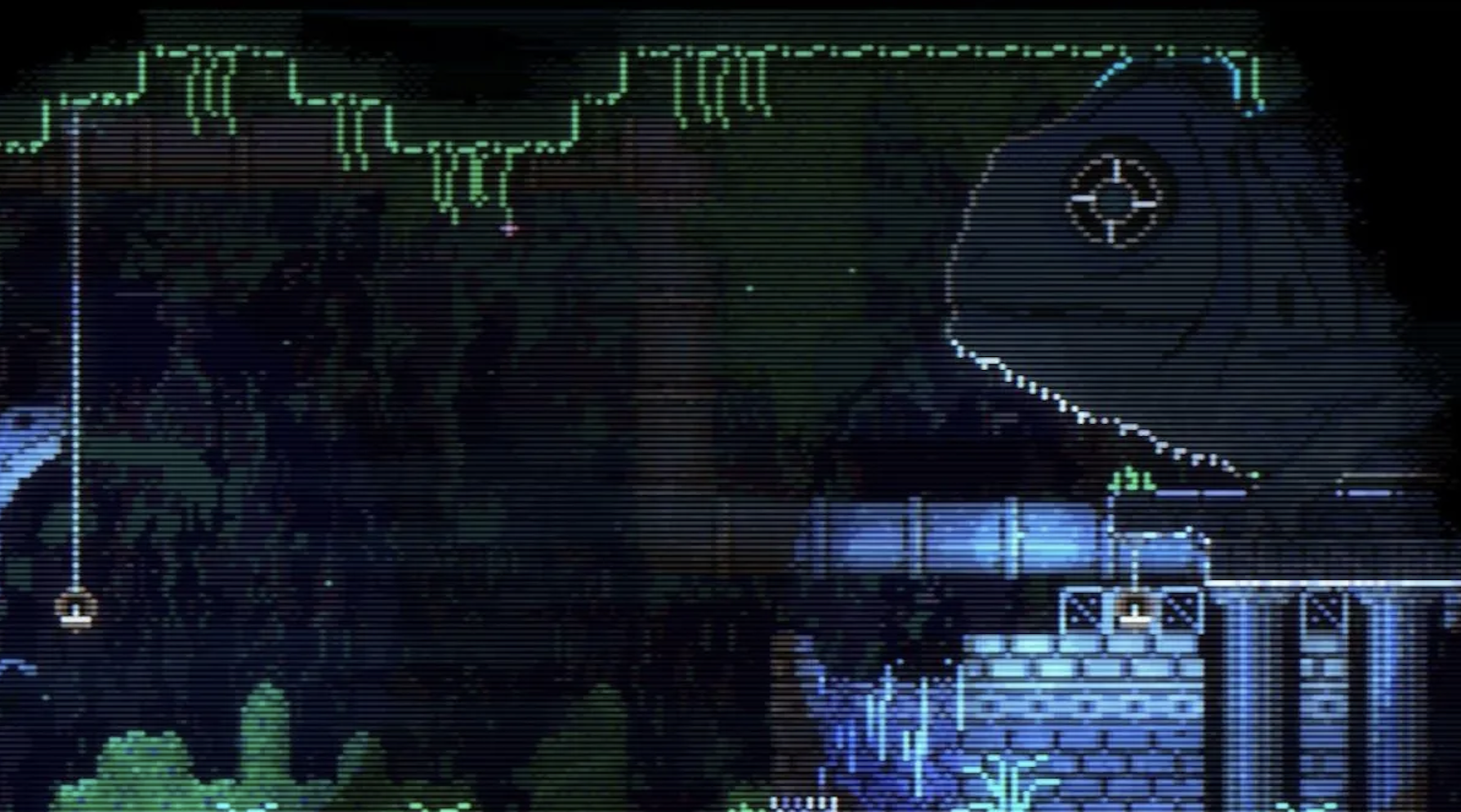
The other key reason of making games difficult is to urge players to build a community. When players encounter difficult situations in games, they usually go to each other. It is a transition from competition to collaboration. This is the case in Pearce’s stock trading game, when people would sell stocks to the person next to them; it is also the case in Basso’s Animal Well, when people would trade information on where to find hidden rabbit collectibles. Designers want people to get frustrated and then get together. Thus, a community is formed.
I’m playing more video games recently, and I noticed some improvement in my patience to cope with frictions in games (or maybe it’s partly because I really need to finish the games for class). I’m starting to find video games enjoyable, and at the same time, I’m learning to appreciate their difficulty. The speakers at this panel were right, I’d probably be bored if the games were too easy. I’m stuck, so I’m engaged; I’m figuring out the way out, and I’ll get the satisfaction afterwards.
Will video games get more difficult before I get used to the difficulty of current games? I suppose designers could also be anticipating more from players, just as players anticipate more challenges in the games. I’ll get used to it.


What Animal Well and the talks from the Year of Games panel both point to is that the key isn’t to eliminate difficulty entirely, but to make the difficulty feel earned and engaging. When a game gives you enough contextual clues to guess the right action, that frustration turns into a kind of “mental workout” rather than a roadblock. That’s what I took away from the talks, at least.
I really enjoyed your reflection, especially your mention of initially giving up on the game due to frustration. This resonated deeply with me. After attending the Challenging Play talk, I’ve begun to rethink the concept of “difficulty”. As you said, frustration is actually part of engagement, it’s not a punishment, but a way to keep players focused and engaged. I was also deeply impressed by the concept of “pleasant friction”. While most designs strive for smoothness and convenience, games intentionally create friction, encouraging players to slow down, think, and try again. I also really like your mention of community. In Animal Well, players collaborate to solve puzzles, and this shift from competition to collaboration is truly fascinating.
I really liked how you described your change in perspective on difficulty. I had a similar reaction to that panel, it’s interesting how what once felt like pure frustration now feels like part of the fun. The best games make players think, fail, and try again in ways that feel rewarding instead of discouraging. The part about community stood out to me too; it’s true that struggling together over a tough puzzle or boss fight can build real connections.