Some games are pretty easy to get the hang of, and don’t take much thought to fully understand the scope of (Minecraft). There are also some games that are challenging and may cause certain players to fail and remain stuck without progressing forward (Minecraft if you’re bad at it). And then, there is the case of games specifically designed to be hard for every player the moment they boot it up, that require the players to think and meticulously develop skills through, often, extensive periods of trial and error to figure out exactly what to do and how to do it. But then that begs the question: how is “challenging play” characterized, and is challenge always fun, or fair?
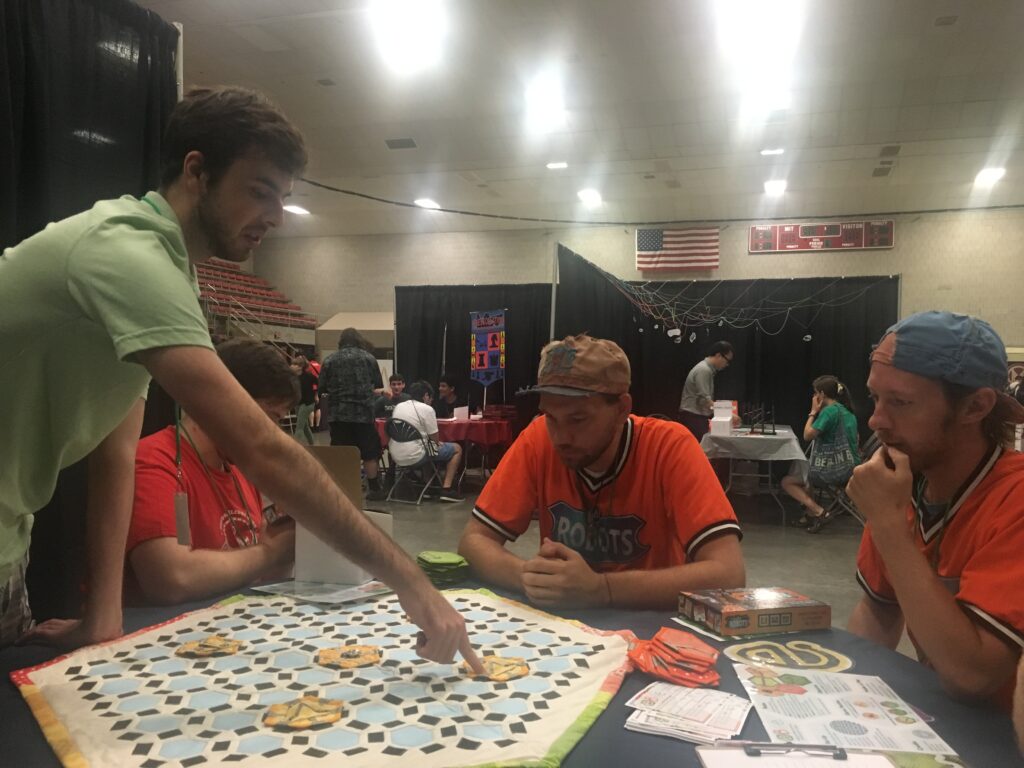
This post was brought to you by the Challenging Play panel at Year of Games Kickoff Symposium.
One of the biggest things the panelists discussed was about how often intentional challenges in games are created by establishing rules and then breaking them with the game design, effectively subverting the expectations of the players. This is not always the case, though. Many games are simply made difficult to understand by having complicated, yet established, rulesets (like Everdell), which would still fall under the category of “challenging games.” This idea of challenge also showcases the fact that what is ‘difficult’ or ‘fun’ is entirely player dependent.
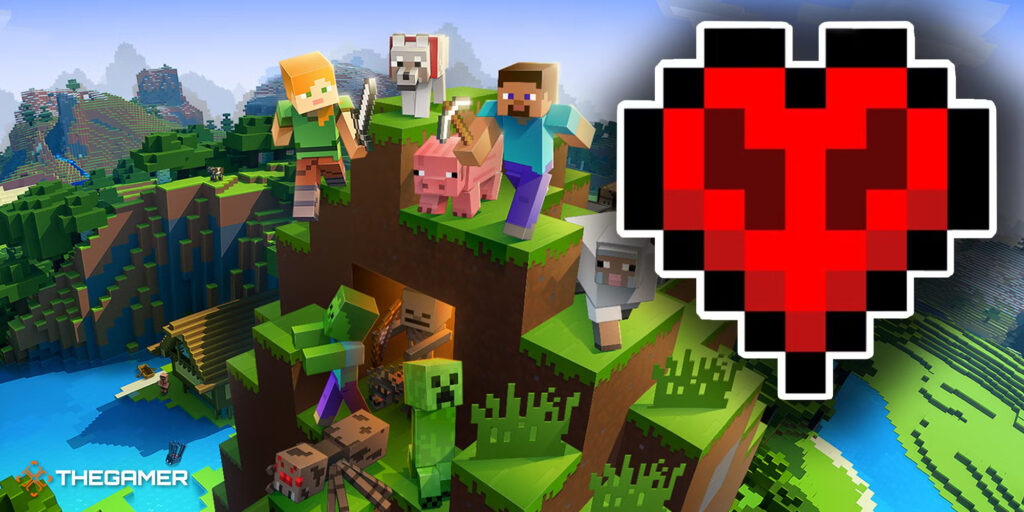
Oftentimes, games will have Difficulty Settings so players can curate their experiences to fit what they want the gameplay to feel like. In Minecraft, you have 4 difficulty options to choose from, more than that if you count Creative and Survival Mode as their own difficulty, each with their own perks and their own downsides. This curation of the player experience is how ‘fun’ is dictated in the game world, and as Celia Pearce points out, ‘fun’ means very different things to different people. While I love playing Minecraft, some people find the game to be boring and would much rather play a shooting game like Call of Duty, which is not my personal cup of tea. If I were to try to play Call of Duty against someone who knew every map and which gun was the best, I would absolutely lose. The same thing would happen if someone who stopped playing Minecraft when they were 8 raced me in parkour; they would lose. Sure I can have fun, and they can have fun, but this really all boils down to skill and how difficult someone finds a game. Is this even really fair?
If a player has fun playing Call of Duty, but has shaky hands and can’t always aim properly, is that fair? If a player only plays in Creative Mode in Minecraft and kills the Ender Dragon that way, is that fair? Someone secretly breaking the rules of a multiplayer game, like hiding Uno cards so they win, is cheating because it breaks the agreement between the players to follow the rules of the version of the game they are playing, and is thus, unfair. But where is the line? Sandy Weisz stated that cheating in a single player context doesn’t exist because only that player’s ‘fun’ experience is affected, and the same can likely be extended to players making hard games easier by looking up walkthroughs or answers, but are they being fair to themselves for playing the game “improperly?” In that case, is it even fair for players to make hard games harder by imposing their own challenges and rules? WHERE IS THE LINE??? The truth is that there just shouldn’t be one.
The panelists did an excellent job going into the nuances of challenge vs. fun vs. fairness over the course of this topic and bringing up points that I otherwise would not have considered (despite also being affected by some of them), such as Celia Pearce’s point regarding how unintentional challenges can arise if games are made without certain players in mind, such as those with intellectual disabilities or motor control issues. All of the discourses brought up surrounding this topic helped to demonstrate that trying to box in people’s gaming experiences does not, and will never, work. Hard games are not entirely meant to be fair to the player at all, and if a player wants to make a game easier for themselves to have fun, they should be allowed to. I may not like playing on a Minecraft server with hackers who turn invisible because it ruins my gameplay, but some players do because of the extra challenge. I struggle to pick up on small details in real life, but the gamification of this in things like logic puzzles actually makes this IRL frustration of mine fun for me to experience.
Gaming doesn’t always make sense. Players ragequit and yell at hard games and insane challenges, and yet, they keep coming back to try again. Sure, it doesn’t make much logical sense to intentionally make a game harder to generate an inherently unfair environment, whether it be for your players or for yourself, but the beauty of gaming is that it doesn’t have to make sense. I will continue to play escape rooms and logic puzzles and Minecraft parkour, and then go on to misread every social cue possible and trip going up the stairs. That is what is fun for me, and it is because of the challenge.


I really enjoyed your discussion of fairness and challenge in games, and I’m inclined to agree with your overall point that trying to make these different lines about fairness and difficulty is just kind of a pointless exercise. Whenever I see discussions like that, where people say cheating in a single player game is unfair or that the game is treating them unfair, I always wonder what exactly they mean by the word “fair”. Why is it unfair if in a single player game a boss is significantly better or more powerful than you. How can an attack be unfair if the boss is behaving exactly how’s its supposed to? Oftentimes, it seems to me that whenever people talk about fairness, it always comes down to their subjective ideal of what is and isn’t fair. For some people, not being given a window to see an attack before it comes is unfair. For others, its just the game telling you that you need to fight this boss a couple times in order to learn its timing and moves. Ultimately, I think this supports your overall point. When everyone’s line for what is and isn’t fair or what is too difficult or too easy is different, should we even try to draw these lines in the first place?
Your discussion of the nuances of challenge versus fairness in the gamespace is something I noticed as well during the panel. Your argument surrounding that challenge and fairness mean different things to different players of games allows for a broader discussion of what these terms mean for the gamespace overall.