What stood out most to me in Zimmerman’s discussion of gaming literacy wasn’t the playfulness or creativity he associates with games, it was his insistence that systems should be considered a form of literacy. Of his three pillars, systems is the one that feels most fundamentally tied to the way the world now works, and also the one traditional schooling is the least equipped to teach. This is a key part of why this section in particular was so fascinating to me, as I think that this idea of systems aligns well with a lot of our other discussions in CVGS.
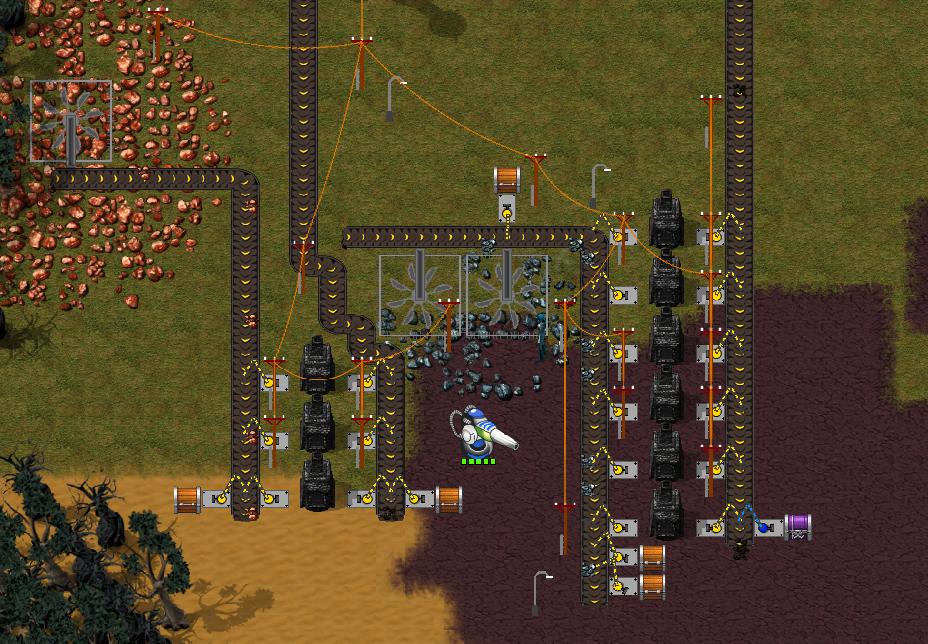
Grammar of the game
Zimmerman defines a system as a set of interconnected parts whose relationships form a dynamic whole. That’s a broad definition, but it captures something important, systems aren’t about isolated facts, they’re about the patterns that emerge when pieces interact. What struck me is how naturally games force this way of thinking. Even the simplest game requires players to grasp the “grammar” of its rules (how one mechanic triggers another, why certain strategies work, and how small decisions ripple outward into unexpected outcomes). To play a game, however poorly or well, is to map a system in your own way.
Encountering the game vs. PLAYING the game
What Zimmerman argues, though, is that this kind of thinking is not just a byproduct of games but a necessary literacy for navigating the world outside them. Increasingly, the structures we inhabit (whether that be bureaucracies, financial markets, social networks, algorithmic platforms, it really works for so many different social systems) behave more like games than like books. They have rules, feedback loops, hidden variables, and sometimes even exploits. We don’t engage with them by memorizing facts, but rather by learning how they behave. In that sense, systems literacy is almost a survival skill.
Adapting in systems
I also found it interesting that Zimmerman also emphasizes that systems literacy has nothing to do with learning software or understanding code. It really is significantly more attitude/decision based than super technical (particularly nowadays as more resources become available!). It’s the shift from asking “What is the right answer?” to “How does this thing work, and how does it respond when I push it?”