
Playing Phone Story was an educational experience. While I did not play it on my phone (due to it being banned from the App Store), I played the game on my computer, which suffers from similar issues as the ones surrounding my phone. I, of course, knew that there were unethical business practices behind the production of my iPhone. However, I was not aware of the scale of abuse and human rights violations that underpinned the production of this device that I use every day. I knew of terrible working conditions in Cobalt mines, but not about Coltan and its unique exploitation. Military groups enslave Congolese prisoners of war, often children, to work in the Coltan mines, which lack any safety measures. Also, the environmental and health consequences of electronics recycling shocked me deeply. Recycling is supposed to be a good thing, and yet this e-waste is usually not disposed of properly but rather cheaply. If you want to read more about these issues, please check out Phone Story‘s website.

Additionally, I want to highlight a specific quirk of the game. In order to progress and to learn more about these issues, you need to play the game. Specifically, you need to perform simple actions associated with the issue that Phone Story is currently educating you about, such as throwing new phones at customers or catching suicide jumpers. Thus, in order to receive the knowledge that the game is trying to bestow upon you, you need to “participate” in the cycle of violence and abuse. This takes Phone Story beyond a simple pedagogical game, to one that highlights the strength of the phone cycle and the futility of fighting against it. “Obsolescence Mode” also highlights this; play the game to find out how.
Phone Story Is Bad at Effecting Change
Despite focused and effective lesson that Phone Story provides, it is bad at effecting social change. No matter how terrible the production process may be, I will still continue to use my phone and will eventually buy a new one. While this game might cause me to purchase electronic devices less frequently (a practice I already do for a variety of reasons), I will never stop using a phone because I played this game. This sentiment was broadly shared in our class discussion. So while Phone Story might be able to slow the phone cycle (which is an improvement!), it will not stop it. And Phone Story knows this. It is not expecting anyone to stop purchasing or using phones as a result of engaging with the game. In fact, one of its core mechanics highlights this as we saw above, through gatekeeping its knowledge with your participation in the phone cycle.

So then what was the goal behind the game? Slowing the consumption and thus production of electronics is definitely a worthy goal, as well as educating people on the consequences of their lifestyle. But, remember how I mentioned at the beginning that it was banned from the Apple App Store. Perhaps the real goal was the reaction that tech companies had to the game. Phone Story caused a controversy and brought more critical attention onto companies like Apple because these companies banned the game. This might be the true reason Phone Story was made.
Now that we understand the game a bit better, let’s examine why specifically it is bad at effecting social change and a change in consumer behavior. The core issue that phones cannot be replaced or forgone easily. There is no ethical alternative that exists in the market, and many everyday functions (such as accessing your banking information) require a cell phone number. Thus, if you want to participate in modern society, a phone is practically a necessity. Phone Story is attempting to effect social change around an object that is both necessary and lacks alternatives, which ends up being an impossible task.
The Games that Are Good at Effecting Change
So if Phone Story does not work because its subject matter is necessary and lacks alternatives, games about replaceable and unnecessary subjects should logically effect change. I would state that this is broadly true, even though I cannot point to a specific game that changed my consumer behavior. However, I have come across many articles and video essays concerning clothing and fast fashion, that have left a lasting impact on me. My personal favorite is this video from More Perfect Union, available on YouTube. Generally, these news pieces discuss the history of the fast fashion industry, the decrease in quality of clothing materials and production, the human exploitation necessary to run fast fashion, and the environmental impacts of the industry and online shopping. A few things stand out here. Firstly, there is an appeal made to me as a consumer: I am not receiving a quality product even if I buy from supposedly high quality brands (barring some exceptions). There is a selfish interest built up that was totally lacking in Phone Story. Next, there are various appeals to my morality and explanations of the harms behind my purchasing decisions. The trash generated by clothing and the terrible working conditions in clothing factories are prime examples. Then, it is through the combination of this selfish and unselfish interest that the argument for change is made. This method is, in my experience, more effective at convincing people to change their behavior.
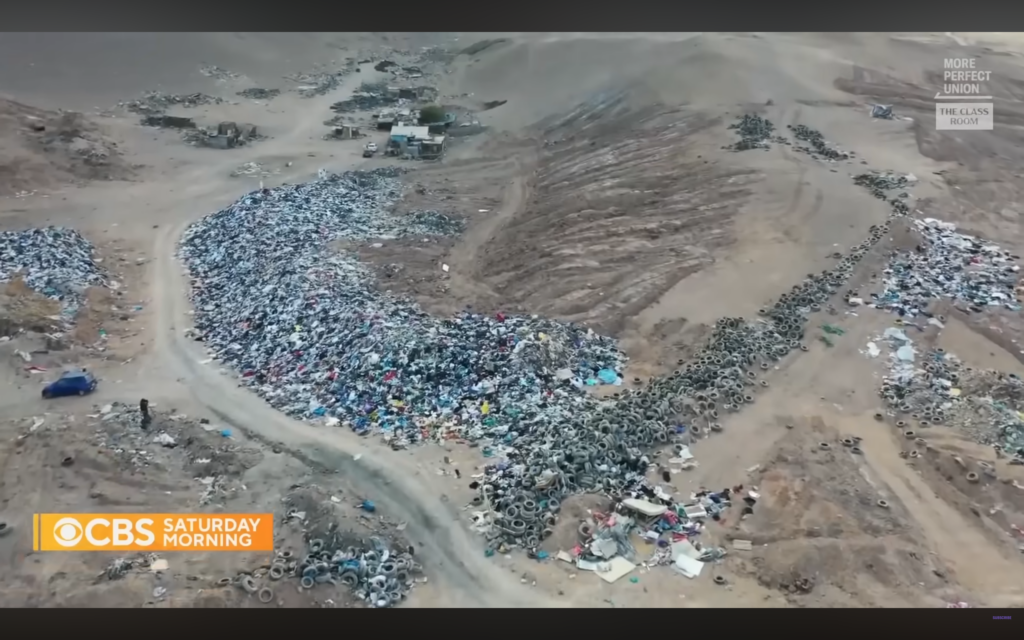
Notably, not buying fast fashion is not framed as a loss, given that what you received was already not that good. With phones, you cannot spin the lack of a phone as something other than the loss of a main tool in modern society. There is nothing that requires you to purchase fast fashion clothes for the sake of your survival or engagement in modern society. Additionally, while clothing is broadly necessary for protection and temperature regulation, many alternatives exist for the source of your clothing. After watching the More Perfect Union video and reading some articles, I am now focusing my clothing purchases around boutique companies which produce their clothing in the USA and focus on longevity. Yes, these articles of clothing are more expensive upfront, but I expect that they will be cheaper in the long run, as they age without significant damage. Not only do I receive a better product, but I also avoid many of the issues with clothing production. These boutique shops do not produce significant enough quantities to cause trash issues, use environmentally harmful fabrics, or exploit their workers. There still are some issues like online shopping and shipping, but overall my consumer behavior has been changed to be more ethical.
The Takeaway
Based on the above, it is not hard to imagine a game about the sins of the fast fashion industry, designed with the explicit goal of stopping consumers from engaging in fast fashion. This game would likely be impactful as its subject matter is something not crucial to the consumer and more ethical alternatives exist to the main system. So, if you start making a game with the goal of influencing people’s behavior and perhaps even changing the culture, make sure that your subject matter is amenable to this. And perhaps include a line as to why your selfish customer should care as well, because there’s nothing better than being both ethical and selfish. Now, go and make impactful games!