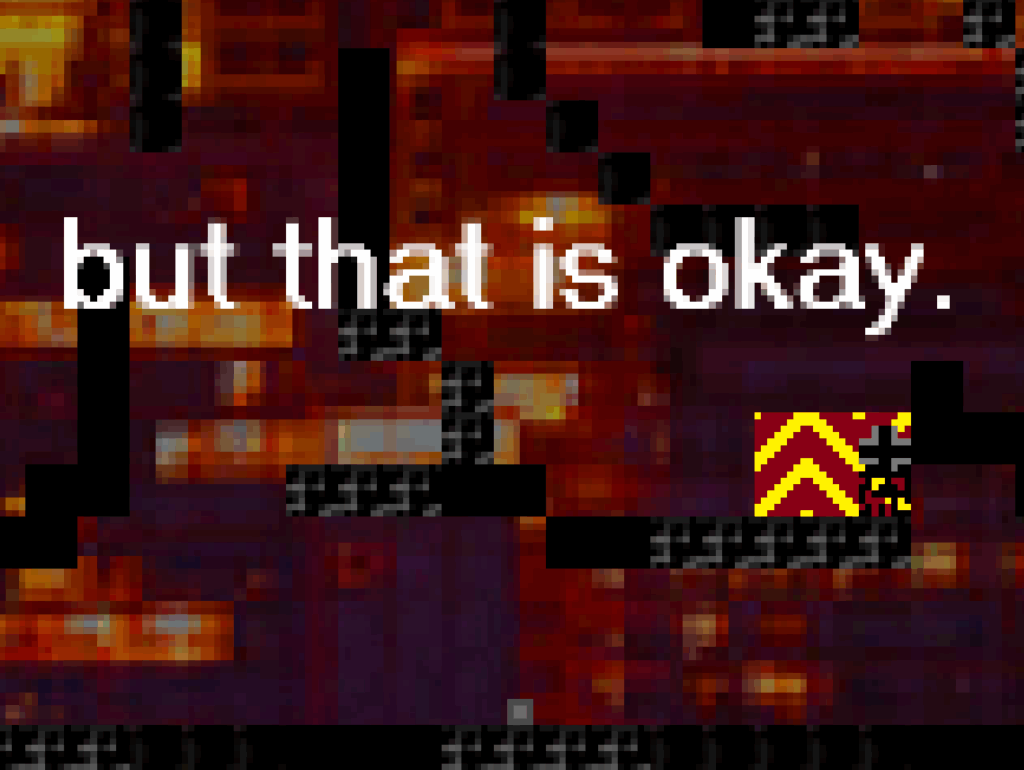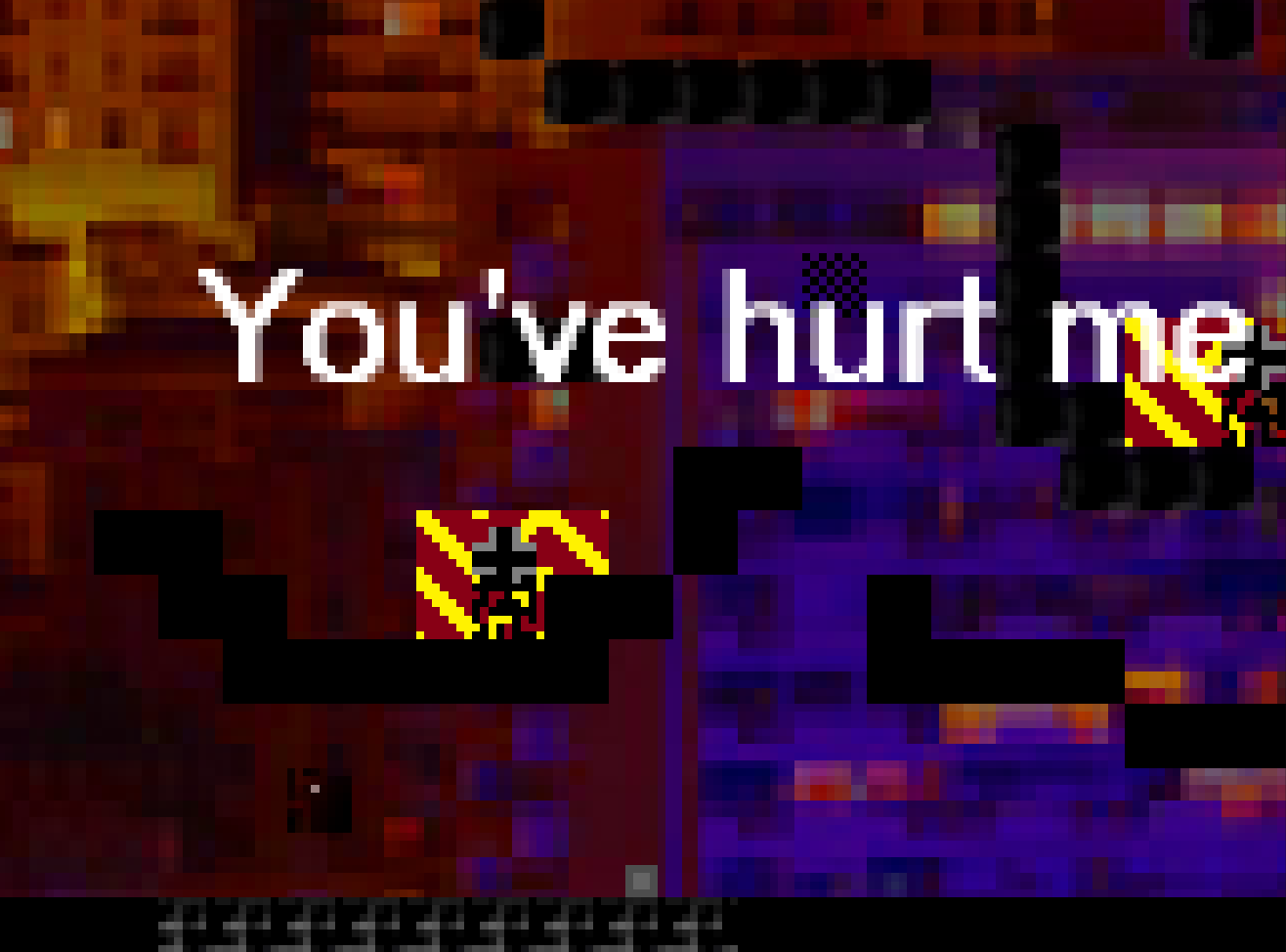

Liz Ryerson’s Problem Attic is a game that “hates” the player, as I’ve heard, but I disagree. The game is a combination of a platformer, puzzles, escape rooms, and a lot of eeriness. The character you control changes form, adding to the confusion of the game.
First Levels and Expectations

Problem Attic throws you on a platform and gives no instructions. The player must jump down, perhaps to their death, but with no other way out, it must be the intended path. As the player discovers and completes levels, they return to this platform, which I will refer to as the hub. The hub provides the player with an area that is not hostile and allows the player to experiment with the controls of the game. In fact, it encourages the player to jump around and fall to find color-coded levels. (There is another hub for the second part of the game.)
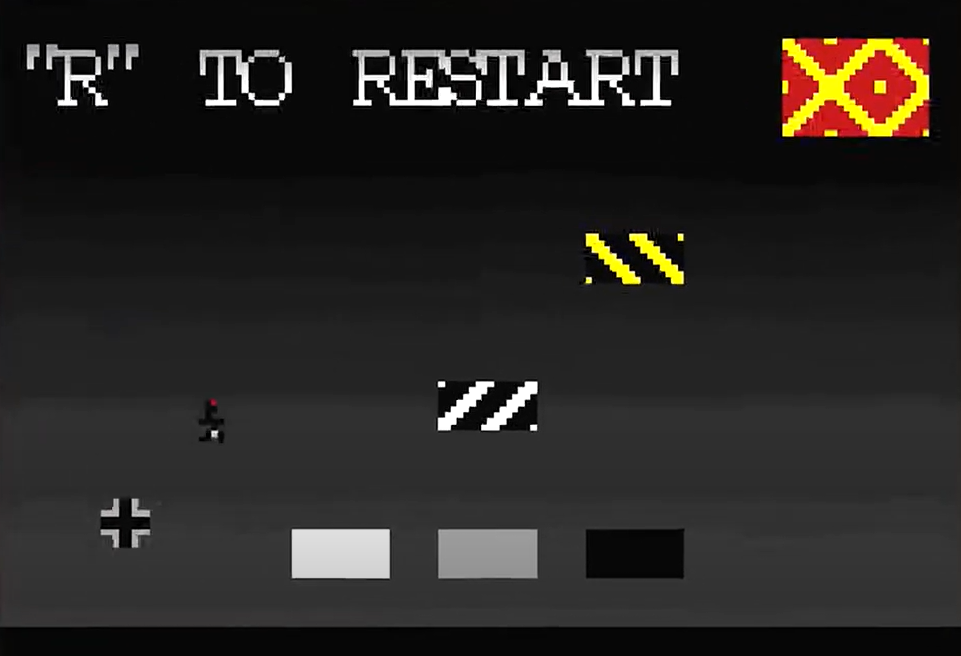
The first level grants the player the ability to restart and introduces a moving cross, which hinders movement and shakes the screen if touched. The “R” ability is reminiscent of Braid, except that the player does not control time, but their patience. The ability to restart rarely does anything meaningful for the player, since the level restarts anyway if the player reaches a dead end. Death does not appear in this game, which may make the game more tedious, as there is no way to understand the extent of failure besides the time spent on the game and the constant spamming of the “R” key.

The second level is basic, reach the top while jumping on moving platforms. However, standing on a moving platform will push the player down. At first, I expected that the character would just ride along with these platforms, but then I thought about how ridiculous it would be to expect someone that high up not to feel uneasy. Uneasy is how this game often makes you feel, and expectations are quickly shattered.

The third level alters your view of the crosses that previously troubled you. Here, you learn that you can use them to your advantage. This is a new ability introduced early on: using your roadblocks.
Messing With Your Mind
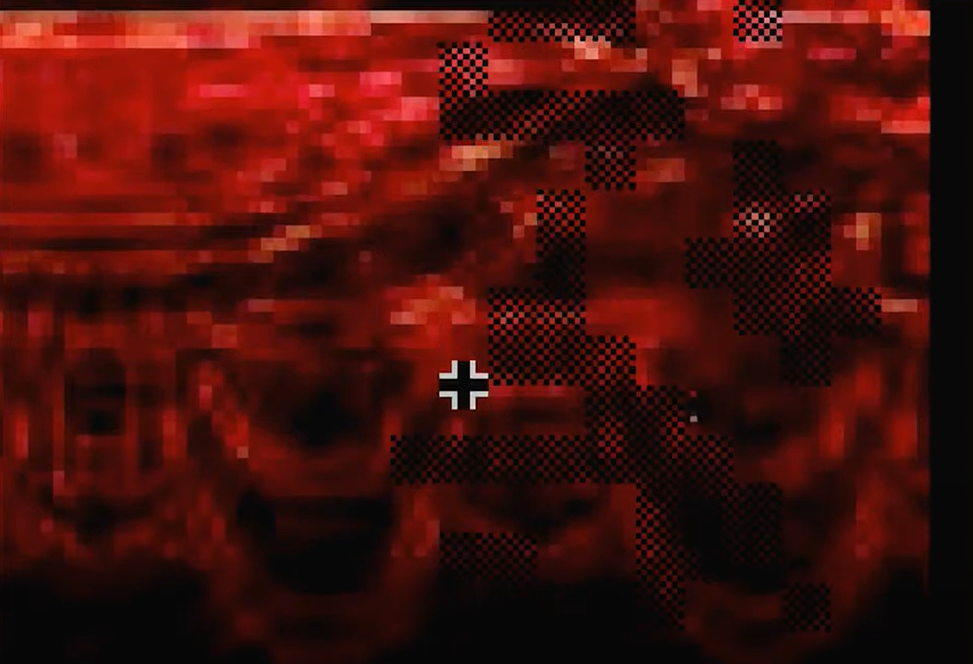

Problem Attic unsettles the player; the background, the words, and the music push you away. However, the player has the tools that they have learned to navigate the oddities thrown at them. The “red room” is terrifying, but it is also simple to escape by simply jumping up. The “GO FUCK YOURSELF” room is also simple to solve, just jump on the cross like before. The game may unsettle the player, but if it truly hated you, it would not provide the tools needed to complete. (Going further into these moments would lead to a very passionate interpretation of this game, but I will solely focus on the gameplay for this post.)
Manipulating Spaces

The crosses make their return later in the game, but this time, the player is granted control over them. There is a progression that is evident with these crosses from being hostile, to being utilized, and finally controllable. Once again, the player is granted even more control over their environment.

A new ability is introduced to the player in this level: “R” allows the player to move back a space instead of restarting the level. In theory, this ability should be terrible, but it can be used to enter the walls that block your path. The strategic use of this ability is necessary to collect the yellow and black objects required for completion.
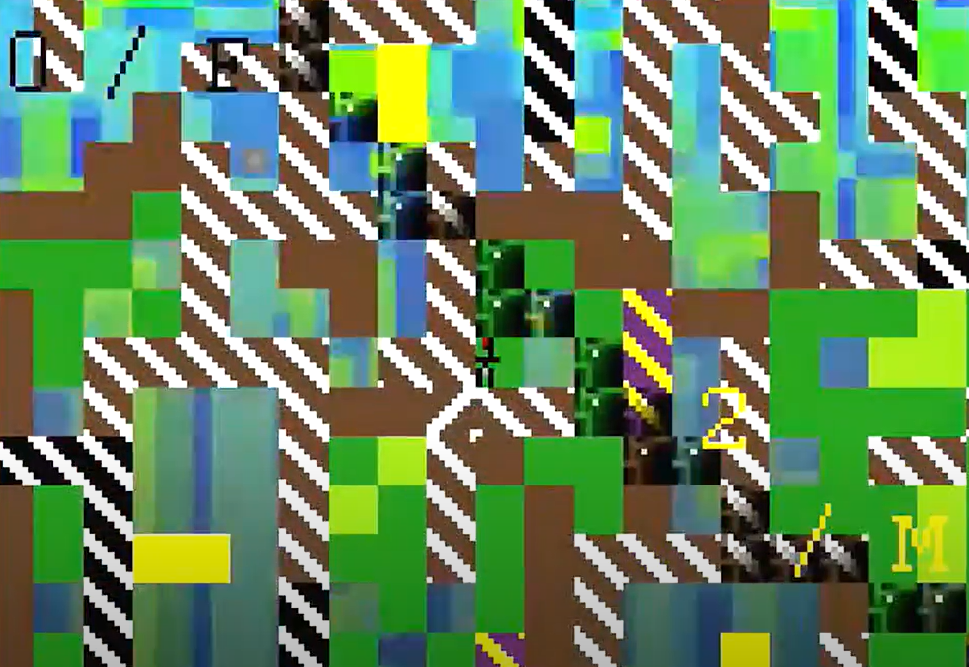
The second edition of the object-finding level plays out differently from the first. This version grants you the same ability, but the level is meant to be beaten without using it. Here, the game makes you realize that going around obstacles is as viable as going through them.
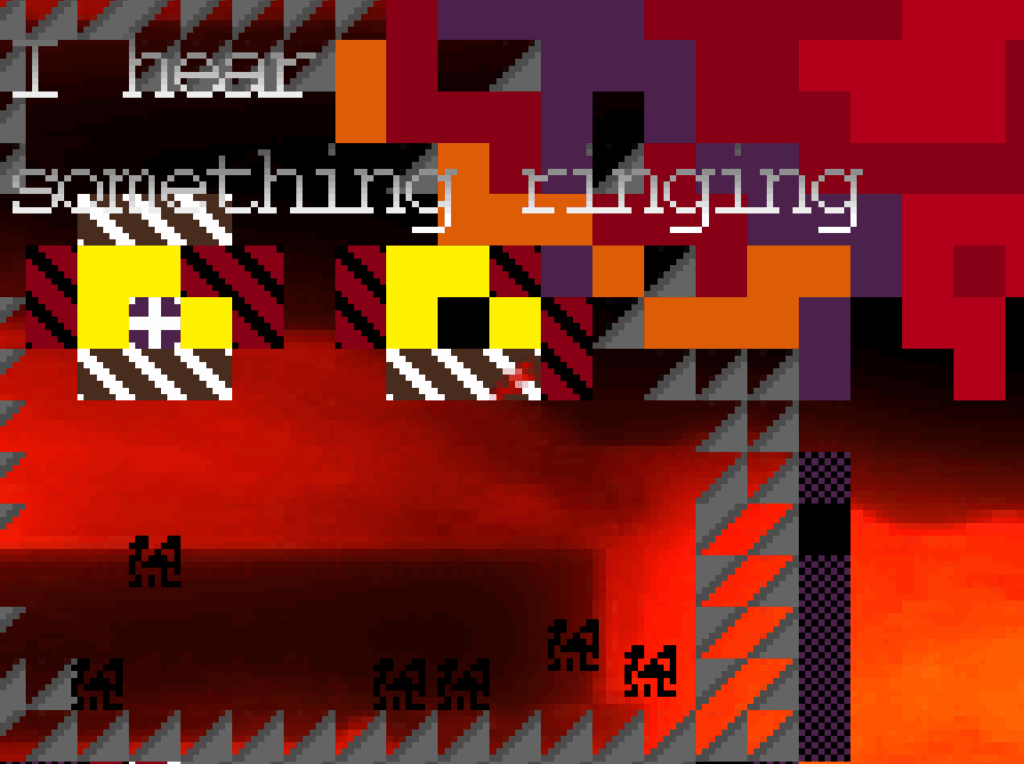
The ability to go through walls sticks with the character as it is needed for the last levels of the game. Once again, for a game that hates the player, it grants you a nice ability to speed through the ending.

The last level ends with the player transformed into a gray square, and the crosses no longer do anything to the player when touched. It is a proper end; it is not pretty, but it is less harmful than before.
END
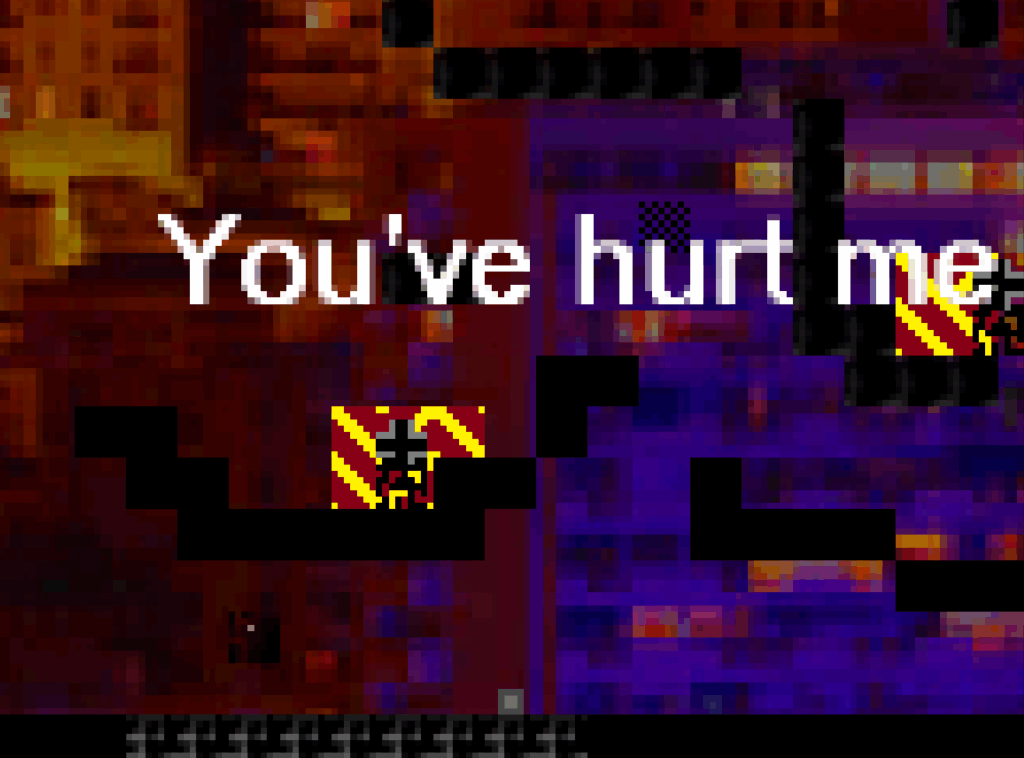
Problem Attic does not hate you; it pushes you to find a way to beat the game with the tools it provides. Sure, it tells you to “Go Fuck Yourself,” and at times it messes with your mind, but this game would not be challenging without its toll on your patience. Beating this game is not about being a good or bad “gamer”; it is about the patience you have to understand the abilities the game quietly provides you with. This game is not for everyone; in fact, for many, it will be a horrible experience, but that is okay.