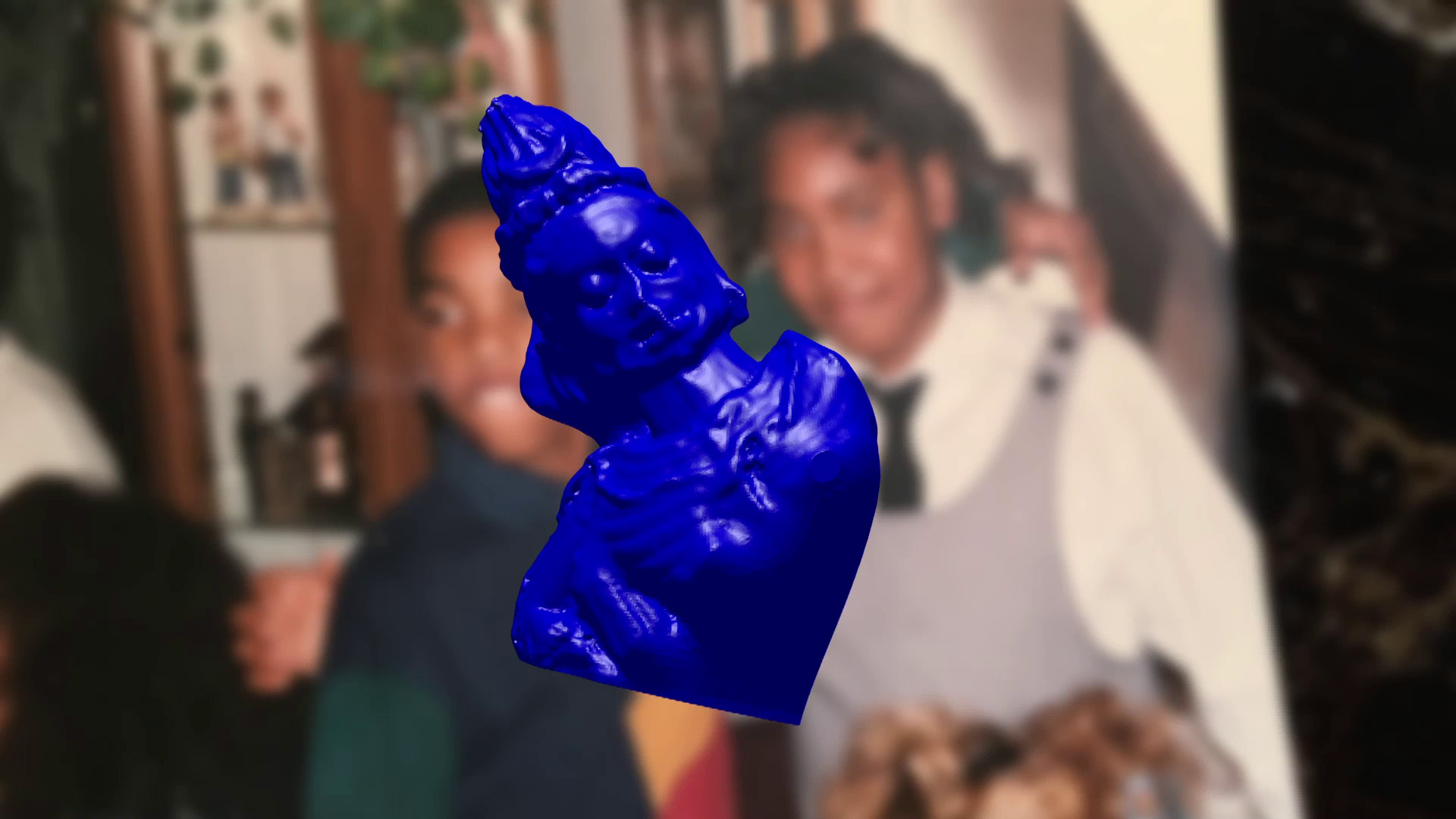
One of the machinima screenings that I particularly enjoyed was It’s in the Game ’17. In large part, I think it was because the film, unlike many of the other screenings, was tied directly to a real world concept. Namely, the way in which college basketball players have their likenesses used in video games and the scandals that arose from that. It was also quite a bit of work to tie this modern use of basketball players to the way in which museums built their collections by stealing from indigenous cultures in a way I personally found really engaging.
To quickly circle back to my previous statement, I do think that the content of all the machinima screenings could be tied to real world concepts on a thematic level. For example, I thought that She Puppet had a lot of commentary on the experience of being a women as well as how players treat their avatars in video games, with those two ideas being in conversation with each other quite a bit. However, It’s in the Game ’17 is very specifically tied to real historical events and modern controversies, which I found to be really engaging. Admittedly, I may have only found it more engaging because as a history major seeing a discussion of historical events made me happy, but what can I say I like what I like. However, to move back specifically to It’s in the Game ’17, I think that this use of directly tying games to real world events and controversies does a good job of legitimizing Machinima to other people.
I’ll be honest in saying that I didn’t know before watching the screenings that Machinima could be so experimental and, for lack of a better term, “artsy”. My own prior experience and knowledge of Machinima came from things like Red vs. Blue, a series that in my opinion is of quality but is still primarily low art. With high art Machinima not being commonly known, alongside the fact that video games in general tend to still not be taken very seriously as a form of high art, I think that many people would need to be sold on the idea that using computer graphics to make animated narratives can be taken as seriously and is as legitimate as a live action or traditionally animated film. And I think that It’s in the Game ’17 does an excellent job of legitimizing Machinima in two distinct ways.
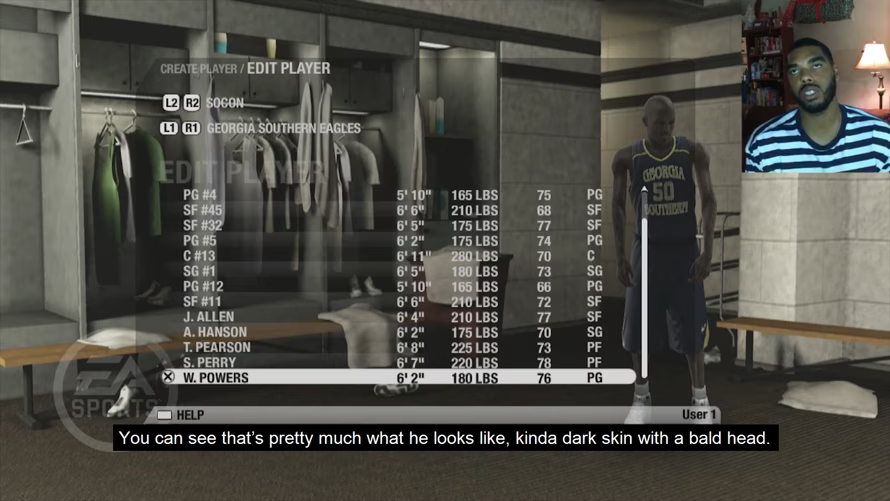
Firstly, it uses games a provide a legitimate social commentary. The machinima is primarily about the ways in which athletes have their likenesses used in video games. it uses games to provide evidence of how athletes are used by having a college basketball player describe the way he knew all the real life people that the various characters in the game are based off of. It then describes how museums would steal artifacts from indigenous civilizations and put them on display. Museums credit where they acquired each of those artifacts, but the people they steal them from don’t receive any of the profit that comes tourists to the museums.
By juxtaposing basketball video games and museums, the machinima has the viewer make the connection between these two concepts. Much like an artifact, athletes have their likenesses taken and displayed in a video game, yet they get nothing while the game company receives the profits. It then confirms this connection the player makes by showing articles about how basketball players do not receive their proper dues for having their likenesses use. Obviously, this a simplification of the machinima, but this type of socially commentary about the similarity between how we treat college athletes, who tend to be from minority populations, and the way people treat museum artifacts, required the use of video games and in game footage. Because of the necessity of video games for its valid societal critique, I think It’s in the Game ’17 does an excellent job of showing how video games can be analyzed and used to make broader arguments about society, and thus lend legitimacy to machinima as an artform.
Secondly, it provides a case for viewing video games as cultural artifacts through its discussion of museums. The machinima’s argumentation involves creating a direct comparison between video games and museums. In this way, it requires that the viewer treat museums, a highly respected form of preservation, and video games as comparable. At the most basic level, this would be treating video games as a way of preserving and displaying things, in this case the lives of college basketball players. By having the viewer treat video games as a valid method of preservation or marketing someone’s likeness, it adds more credence to the idea of video games being valid cultural artifacts. This legitimizing of video games as a way of preserving and using culture then helps viewers view machinima as a legitimate artform.
As such, alongside liking the specific topic and thesis of It’s in the Game ’17, I feel as though it is a great example of what a machinima can be and helps to legitimize machinimas as a valid artform to those who might be more doubtful towards it.


I also really enjoyed It’s in the Game ’17 among all the viewings showed at the Machinima Screening. I think your point about how the film legitimizes itself is very insightful, as I didn’t consider how the film’s choice to parallel games to cultural artifacts in museums also validates the game medium as a means of preserving and displaying culture. Moreover, building off your point about the film offering legitimate social commentary, I think that this commentary wouldn’t have been nearly as powerful had it not incorporated voiceovers and vlog-style videos. Though I don’t think that mixed-media and real-world elements are necessary to make a machinima film impactful, I believe that in many cases it can enhance the viewer’s engagement with the overarching message, since it makes the connection between videogame media and real-life discourse more explicit. Frankly speaking, I think that the absence of this multimedia component in the other films shown made them too abstract, or difficult to understand for me at times — or maybe I just don’t watch enough experimental film.