
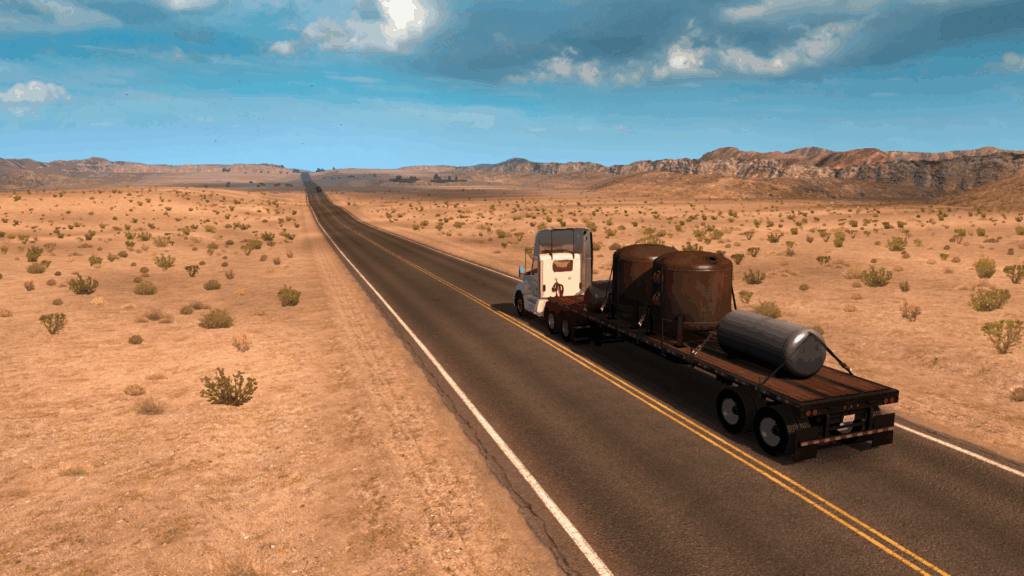
Since playing the American Truck Simulator, I’ve been fascinated thinking about the possible reasons as to why we might enjoy playing labor video games. At first, I was skeptical because I wondered why anyone would find performing virtual labor to be a fun way of winding down at the end of the day. Especially as students at the University of Chicago, the last thing I thought I would want to do at the end of the day was preform even more labor. But then I played it… and I loved it. To me, there is something interesting to be said both in terms of the designs of the games, but also the psychological reasons behind why we might want to play games like this.
As I mentioned before, I wasn’t at first blown away with the idea of driving a truck and making deliveries. What drew me in when I was playing it, though, was the ability to explore the world in ways we probably never would. You essentially get to view the world from a perspective you’re not used to, and explore without the pressures you feel in the real world. The experience felt like a mixture of liberation and relaxation. Even though you’re virtually performing this mundane kind of labor, there is something relaxing about driving on the open road and the overall monotony of the game.
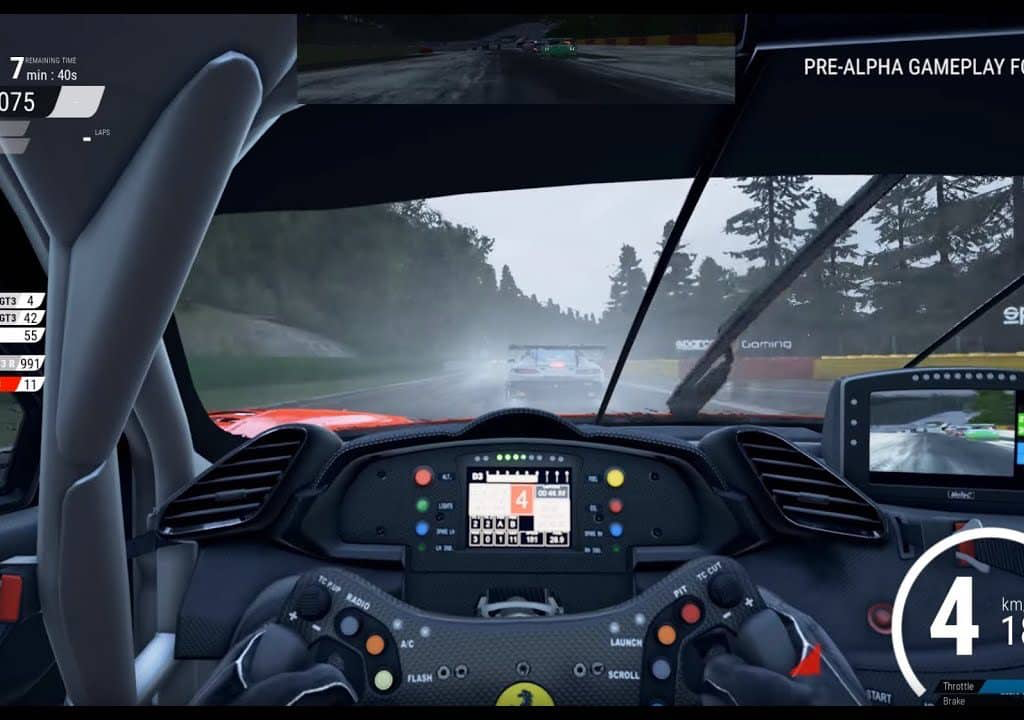
The idea of labor games is also interesting to think about through the lens of gamification in modern society. I’m sure we have all experienced the increasingly gamified nature of some of the most traditionally mundane tasks: things like job applications, professional trainings, and language learning have all experienced this shift to some degree. This challenges the traditional notion of what a game really is for me because of its typical association with pleasure and play. I personally experienced this shift in my own life, using racing simulators to train racing lines and braking for driving real cars on track.
Besides their real-world applications, like the trainings I talked about above, I think it’s interesting to think about some of the psychological reasons why we might like interacting with these types of games. For starters, I think these games provide a very satisfying relates for their players. There’s a clear objective and immediate feedback, they create a strong sense of mastery of realistic systems, they give us the autonomy to play as we wish, and there’s a sort of satisfying progression that makes us feel accomplished in our actions. The success of these games proves that we don’t really to have these intense, ultra competitive worlds as a form of escapism. but rather that we can find enjoyment in the mundane, slow, realistic tasks of everyday life.