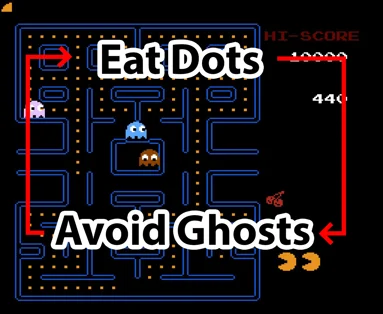
An element common in just about every game is the “Central Gameplay Loop”; this can be seen in Physical Sports (i.e. the completion of an inning in baseball), Board Games (i.e. taking turns), as well as in the centerpiece of this article, Video Games.
In comparison to the other forms of gameplay loops mentioned, gameplay loops in video games can either be much more abstract or be significantly more repetitive and obvious.
In the case of Sports games like NBA 2K or Madden the loop is oftentimes as simple as choosing/ creating a team, using these teams to either win or lose a match, and then getting in game credits and/or cosmetics for your Player Character.
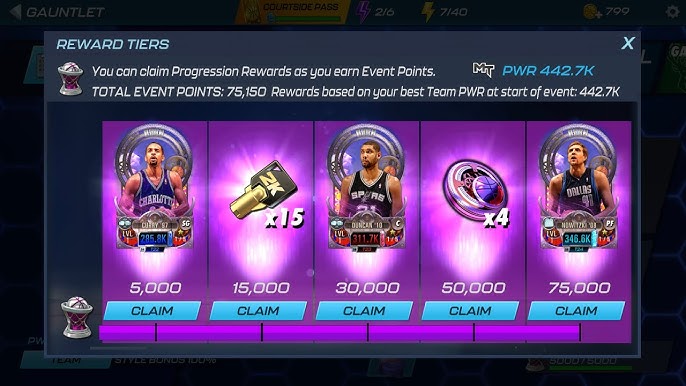
While for games like Minecraft or Terraria which seem simple on the surface level, there are much smaller but varied steps to various accomplishments (i.e. maxing out gear or summoning and defeating bosses) that may not even be the main goal of someone playing these games.
The fact that there is such vast variation among gameplay loops in video games- from Turn-Based RPGs to Idle Games to Real Time Strategy- creates the questions of what creates an effective loop, why some gamers enjoy some genres of games but not others, and why does switching to a different genre feel so damn difficult sometimes?
According to decorated game designer Alexander Brazie in the blog, “Designing The Core Gameplay Loop: A Beginner’s Guide”, a gameplay loop is, “a repeatable sequence of actions the players engage in that makes up the primary flow of your players experience that keeps the them playing over and over again.” This definition gives a very succinct view of the loop: the player does something in the game, and something keeps the player playing. Things the player does could be jumping, shooting, scoring, winning, losing, or flying; and methods of retention could be an interesting story, compelling gameplay, rewards for winning, or some sort of leaderboard of players (either built in the game through some sort of ELO system or player made online leaderboards).
So what actually makes an effective gameplay loop? Well, there are many important aspects, such as culture and early life (Does your family play games, what did you grow up playing, is your family interested in sports, are you playing games out of rebellion, does the game incorporate elements of your culture or another culture that is interesting?) as well as the question of what a player actually finds to be interesting but ultimately the answer boils down to an expected release of dopamine from the player.
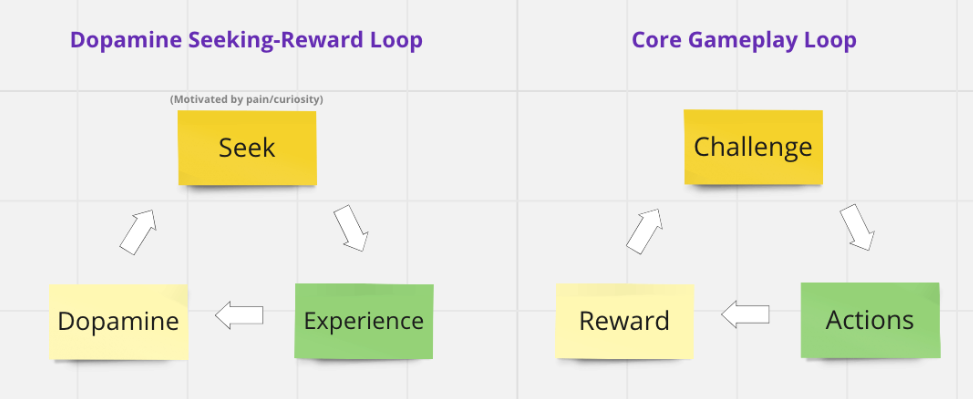
Image from the Alexander Brazie Blog
Dopamine Release in the brain is often associated with positive events such as winning something or even something as simple as feeding one’s self and is the brain’s way of rewarding behavior that is biologically recognized (but isn’t always) as beneficial.
In video games dopamine can be released by success or obtaining something rare (whether it be a cosmetic or some sort of item). Game designers recognize this behavior and understand that someone playing a game is likely expecting to release dopamine by playing so they are able to exploit this expectation of dopamine release by creating a gameplay loop that ramps in difficulty over time.
By starting a game simple, or by giving players the opportunity of a tutorial, and then creeping up in difficulty they are giving players a taste of success and the feeling of being a winner and then the goal post is moved further back, the player may eventually lose for the first time and this point serves as when a sort of sunk-cost feeling sets in, obviously losing feels like shit but if you can continue to win in the future then playing the game will continue to feel worthwhile.
So why have periods of monotony in the gameplay loop if rewards are what keep gamers playing?
Monotony ends up serving a vital purpose in keeping players playing, no one wants to lose constantly just as much as people hate to feel as though they keep winning, so by creating an opportunity for very little to happen (Portions of idle where production plateaus so the player has to prestige, short matches of a competitive game, or a boring autoscroller in a platformer) game designers are intentionally making sure that the players keep playing because they remember how “good” or “fun” a game can be when the player is making progression or is facing a real challenge.
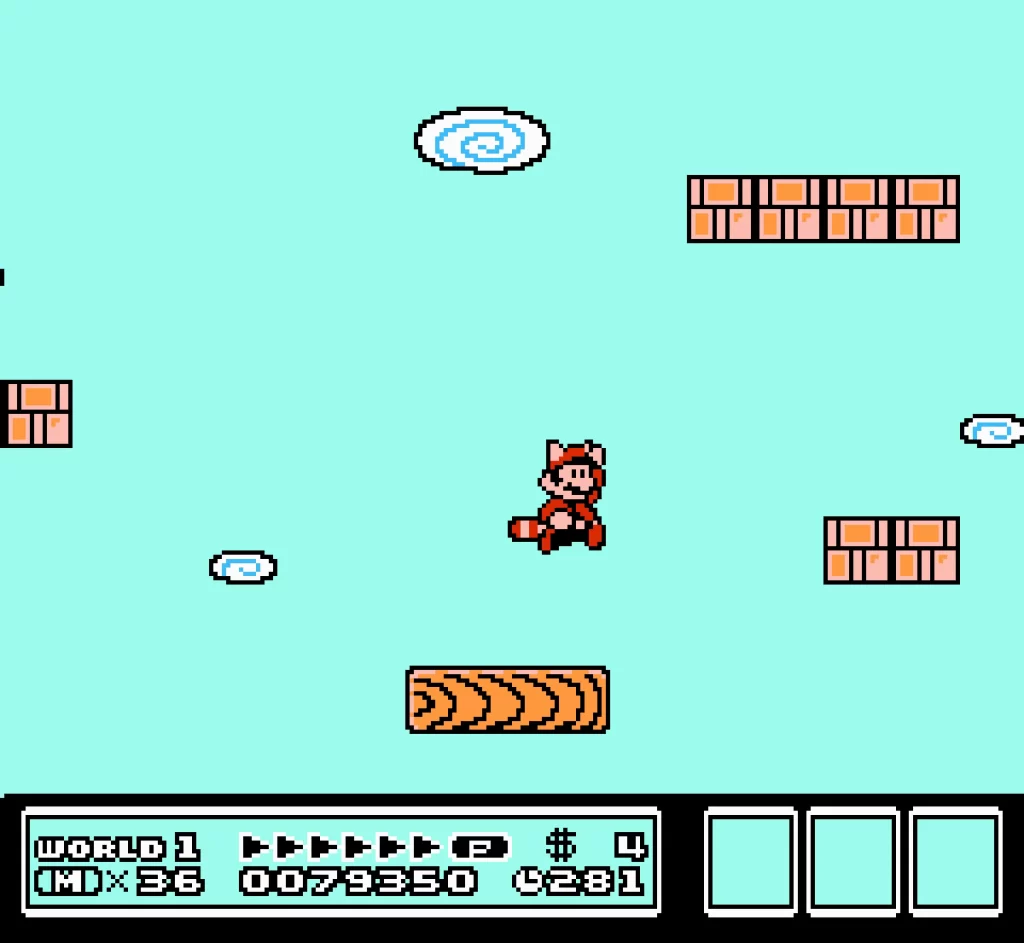
I fucking hated this level of Mario3 growing up
Because players of certain genre become accustomed to the feeling of happiness that those games give them they can oftentimes become numb to the feeling of monotony often associated with this “midgame” period and end up forgetting that new players will eventually end up facing these elements of games if they try to progress in the game.
This is why switching to a new genre or title can oftentimes feel daunting or unappealing, because the people playing these games are so familiar and ingrained with their gameplay loop that they associate those games with happiness and would rather end up playing them in comparison of adjusting to something entirely new.