For me, what makes a game even better is the kind of community that surrounds it. I’ve gotten to know the details of a number of games not through playing them, but from watching let’s plays, theory videos, and consuming the fanart produced by artists. So when I went to the Year of Games Symposium’s Future-Facing Forms of Inclusive Storytelling panel, I was excited to hear the speakers discuss the role of gaming communities around inclusivity within games.
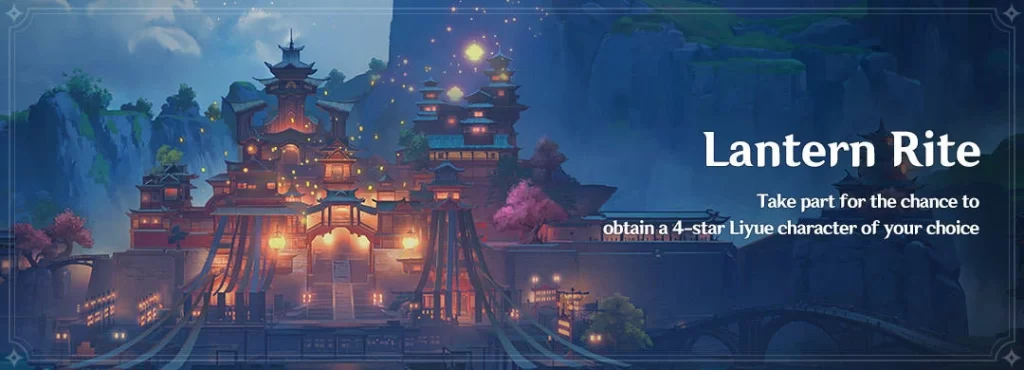
The first game that comes to mind for me when I think of gaming communities and inclusivity is Genshin Impact. Genshin is a gacha open-world rpg where the main focus is around collecting all the different characters that release on banners semi-regularly. I started playing back in 2020 because of how intense the character designs were, any Genshin cosplayer will tell you that there is [or at least was] a lot of detail put into crafting each character. The main map is broken up into different regions, from which each character originates, and is based on historical real life countries and cultures. For example, Mondstadt is based on German/European cultures, Liyue is based on China, and Inazuma is based on Japan. The inspiration is very obvious in the game, from the specific architecture to even the kind of traditions that exist, like the Lantern Rite in Liyue being based on the Lunar New Year and even taking place around the same time. There’s effort put into bringing real cultures into the game and even though it isn’t perfect, it’s still impressive in my opinion for a free to play game. That is until we get to the characters.
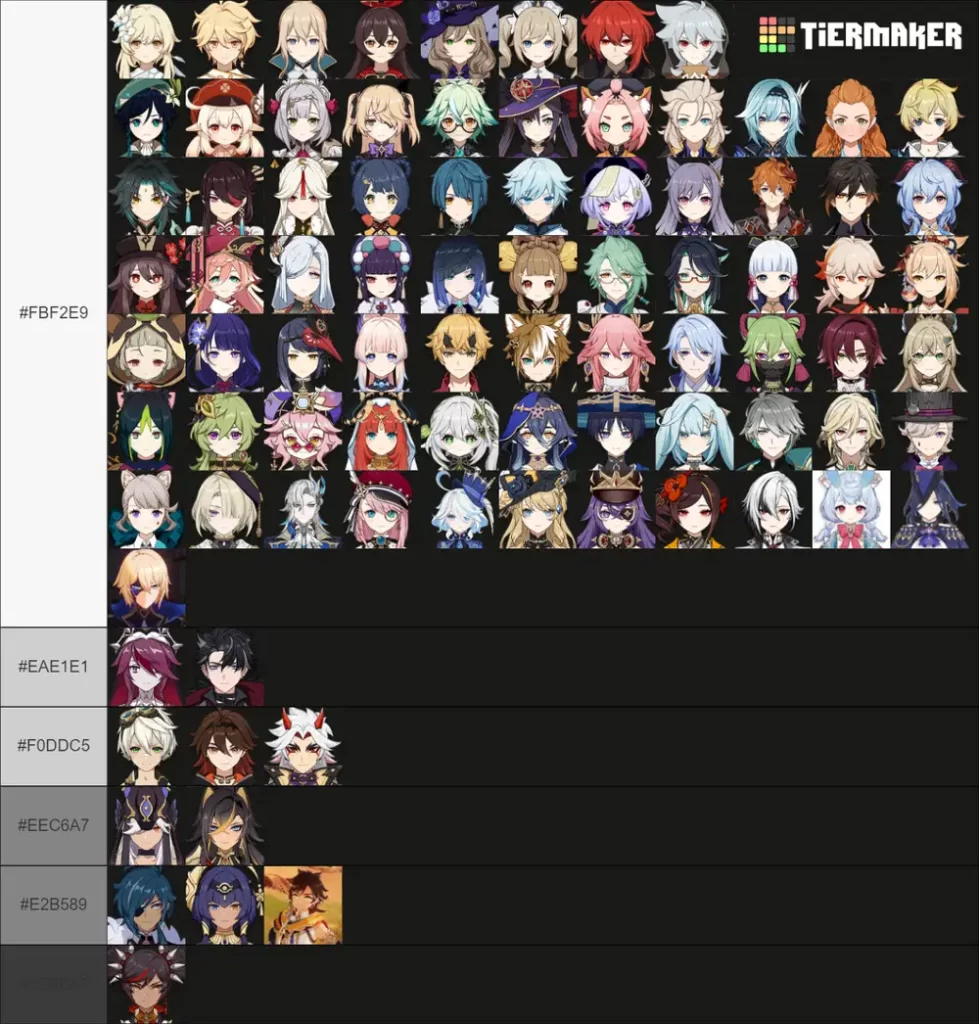
When Inazuma was released, out of dozens of characters, I could count the number of brown/black characters on one hand. That’s insanely frustrating, but the dominant attitude at the time was that the regions released so far were all from countries that generally included people with lighter skin tones. Not a great explanation but it made sense. That was until Sumeru was released. Sumeru was the biggest region to be created and pulled inspiration from the Middle East, Egypt and India, but despite that, nearly all the playable characters released were either pale as paper or a slightly tan color. That was just insane to see. Here we have developers pulling very clearly from regions that include brown and black people and yet they’re nowhere to be seen in the actual game. It was weirdly almost the opposite of the performative representation that was mentioned in the panel, where instead of just including characters that appear diverse without any substance, they included the culture without any of the characters.
The community response, from where I was at the time, involved a lot of people creating art that portrayed the characters from the region with brown or black skin tones, where they created their own representation like what was mentioned in the panel where people will do so through mods or in this case, art. There was also a lot of frustration directed to the company from a lot of the player base, which is something that was also touched upon by the panel. Each speaker talked about the importance of consumers putting pressure on companies to push for inclusive storytelling and to hire developers from a variety of backgrounds. I kind of thought of it almost like a sandwich when that was mentioned, where there’s pressure applied from the outside and the inside. But despite the clear dissatisfaction from Genshin consumers, the developers didn’t really do anything to address the problem. So what is there to do then?
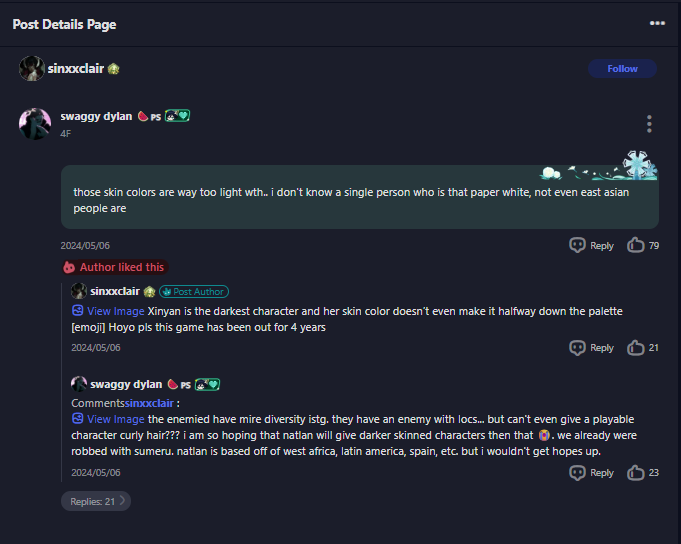
I stopped playing Genshin Impact slightly after Sumeru came out, when it became clear that there wouldn’t be any playable characters with skin tones that were beyond pale and a slight tan. I’m still angry about it, and I’ve even missed things like the varying outlooks of the Genshin community and the problematic way that the enemies in Sumeru had darker skin than the peaceful npcs. The Genshin community is a good case study of how a community reacts to a lack of inclusive storytelling, and I feel kind of vindicated now because Genshin Impact seems to be dropping in overall popularity in the past few years.


Hi, I was unable to attend this panel despite being interested in it, so I’m really glad you wrote about it. I was really interested by the comparison you used to describe pressure placed on companies, “almost like a sandwich.” It makes sense to me, that pressure must come from both the inside and the outside for change to be implemented. I appreciated the connection you made to Genshin Impact, about how pressure came from the outside, but, despite this, there was no pressure from the inside to change anything. Maybe as Genshin Impact’s popularity continues to drop, the developers will start to consider changing the way they represent Black and Brown people and add some more positive representation. However, if they do, how much of that will end up being too little, too late? Is representation under immense pressure still a positive thing or is it superficial? Does it depend on how much effort developers put into their changes?