Honkai: Star Rail (HSR), like its sister games Genshin Impact and Zenless Zone Zero, is a role-playing gacha game. It’s hardly where one would expect to find theoretical reflections on our societies and what it means to be a monster.
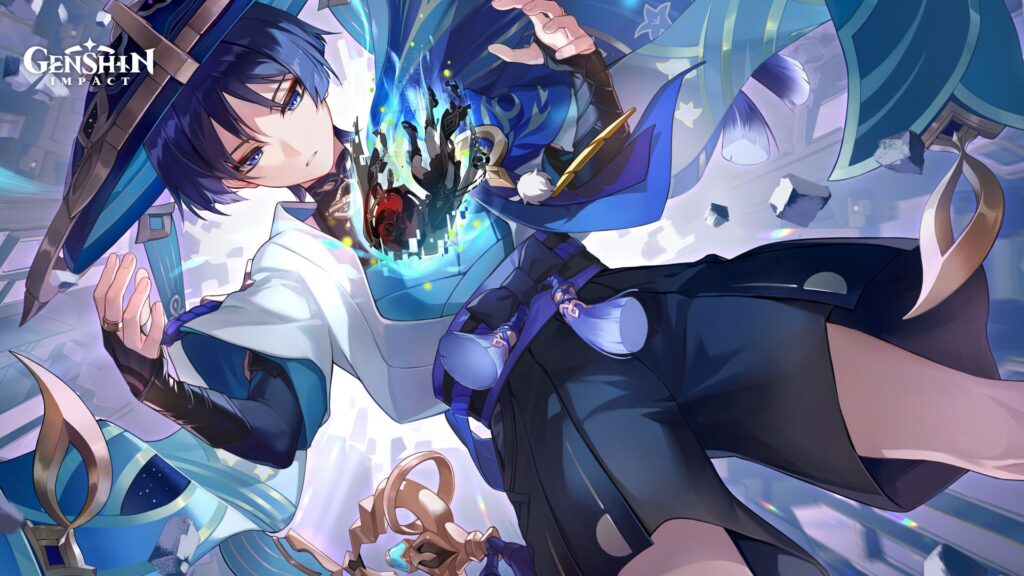
In Jeffery Jerome Cohen’s Monster Theory: Reading Culture, Thesis IV proposes that “The Monster Dwells at the Gates of Difference.” This may seem like a great deviation from HSR, yet Cohen’s theses on monsters can be used to understand HSR’s boss enemies – or alternatively, HSR’s monsters. Cohen states that monsters are reflections of culture and social constructs and that it becomes a “disturbing suggestion… that this incoherent body, denaturalized and always in peril of disaggregation, may well be our own” (42). In HSR, it literally is. Characters often encounter alternative versions of themselves throughout the narrative and gameplay, many times in the form of boss enemies. Sunday from HSR and Wanderer from Genshin Impact both have narrative arcs where the crucial part of their character development is defeating monstrous versions of themselves.
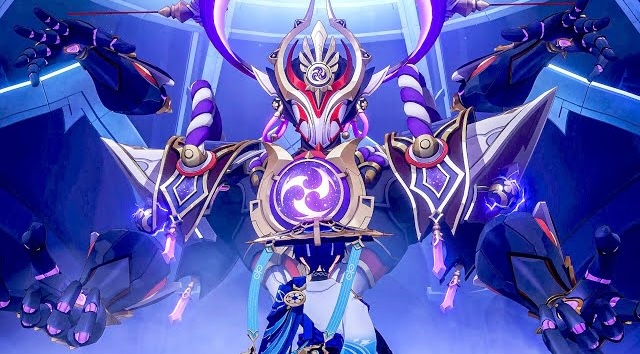
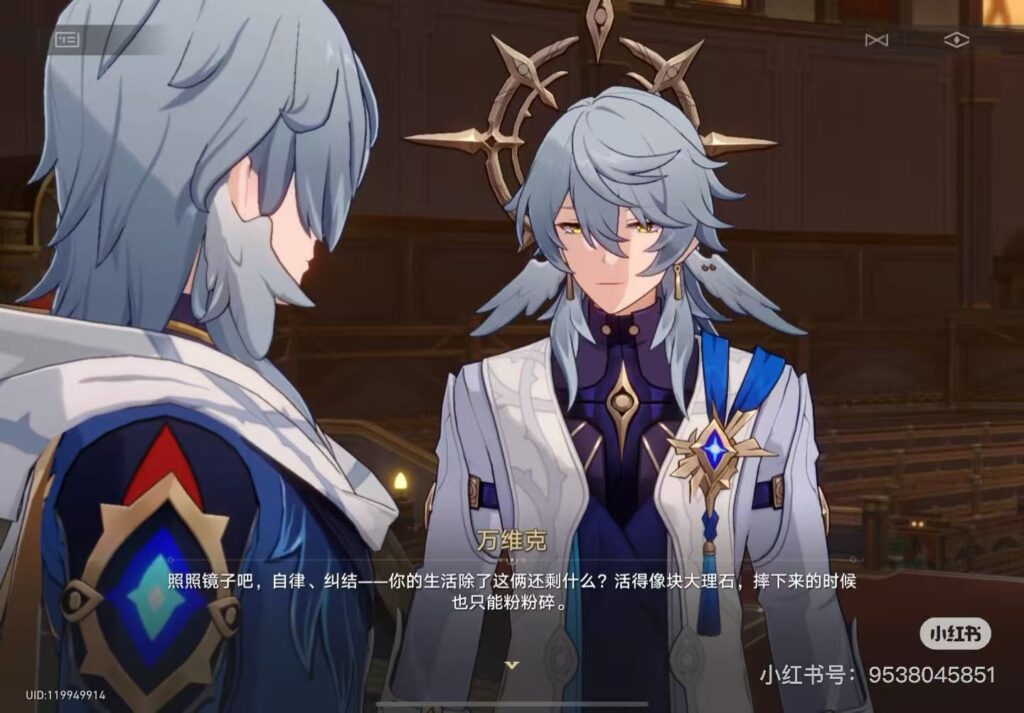
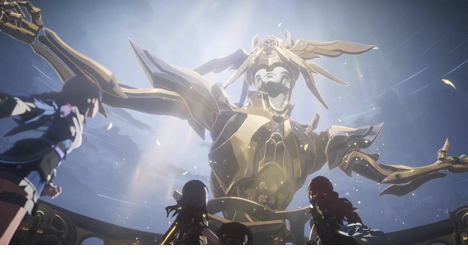
Take Sunday’s story, for example: after you defeat him in boss form, he falls into a dilemma over his identity and personhood. The quest that brings you through his character development focuses on self-acceptance as he navigates various scenarios with a fragment of himself, “Wonweek,” an unrestrained and open counterpart to the strict and uptight Sunday. Sunday’s boss (the Harmonious Choir), or monstrous form, is a reflection of “the Order,” a path he once followed that touts the greatness of order and control. In this final arc of his story, you need to defeat Harmonious Choir to reunite Sunday with his fragmented self. Once the boss is defeated, there is no monster, only his lone figure in the grand theater. Like Cohen’s theses, the monster is reflected in Sunday himself as a whole because of the societal and cultural constructs “the Order” had placed him under.
The Harmonious Choir is a representation of what Sunday had to be under the influence of “the Order.” It is almost an inversion of Cohen’s theses of what monsters represent (the other and qualities deemed undesirable) – it is the ideal, just under the wrong society and constructs. The monstrous form of the Harmonious Choir furthers this idea that the society itself is at fault, while Wonweek retains the humanoid form of Sunday’s character. Every fragment of Sunday’s character and what they represent can be read as its own monster, depending on where we view it from. The society and lens that we view his different versions through are what make it monstrous or ideal.
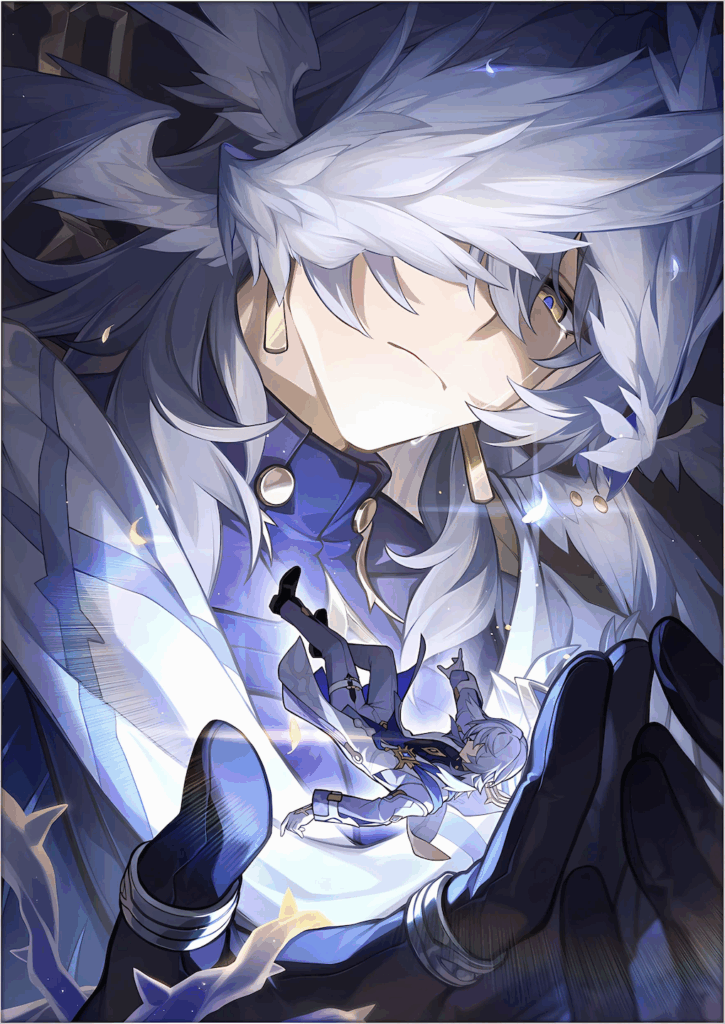
Defeating these “evil” versions of the characters is supposed to be cathartic. It quite literally represents an abolishing of the past towards a new version of the self. This matches well with what Cohen states is a connection of “[monstrous] depiction with the phenomenon of the scapegoat” (44) – erasing past sins and the embodiments of what is wrong with the political-cultural system (50). Defeating the Harmonious Choir, the embodiment of “the Order,” the protagonist team reestablishes the boundaries of what is acceptable in this universe. Since the ‘other’ represents so much of what cannot be accepted in a normal society, it simultaneously reveals what is the normative identity.
Similarly, the monsters in Return of the Obra Dinn conquering the monsters can be read as a representation of colonialism and exploitation. Their monstrous forms make them “the other” and more viscerally set them as a representation of the repressed. The various versions of monsters and enemies that we face in games have a medium-specific ability of forcing us to reckon with the question that Cohen poses at the end of his theses, “these monsters ask us how we perceive the world… They ask us why we have created them” (52). By playing as characters defeating monsters and reassimilating their broken parts of the other into the whole, what purpose do they serve, and what is our role in establishing that? There is depth to the fact that these monster stories are told through a game medium. Your role becomes real in a way that a novel or movie could never emulate. By playing the game, we create and are forced to face our own monsters.
Cohen, Jeffrey Jerome, editor. Monster Theory: Reading Culture. NED-New edition, University of Minnesota Press, 1996. JSTOR, http://www.jstor.org/stable/10.5749/j.ctttsq4d. Accessed 26 Oct. 2025.


This is a really interesting analysis! I only ever thought of Genshin’s bosses from a plot perspective and never really thought much about how they could be seen as reflections of the characters’ internal selves. I think Wanderer’s boss form is a great example of a “monster” being the ideal. Because Wanderer was abandoned at birth for not being this ideal, he spent much of his life trying to live up to certain ideals: first the ideal of what it means to be human and having a heart, and then the ideal of strength and detachment. The warped ideals of Wanderer’s monster form reflects the more problematic parts of characters that players are connected to, such as Raiden and the role she played in shaping Wanderer into a crazy sadist.