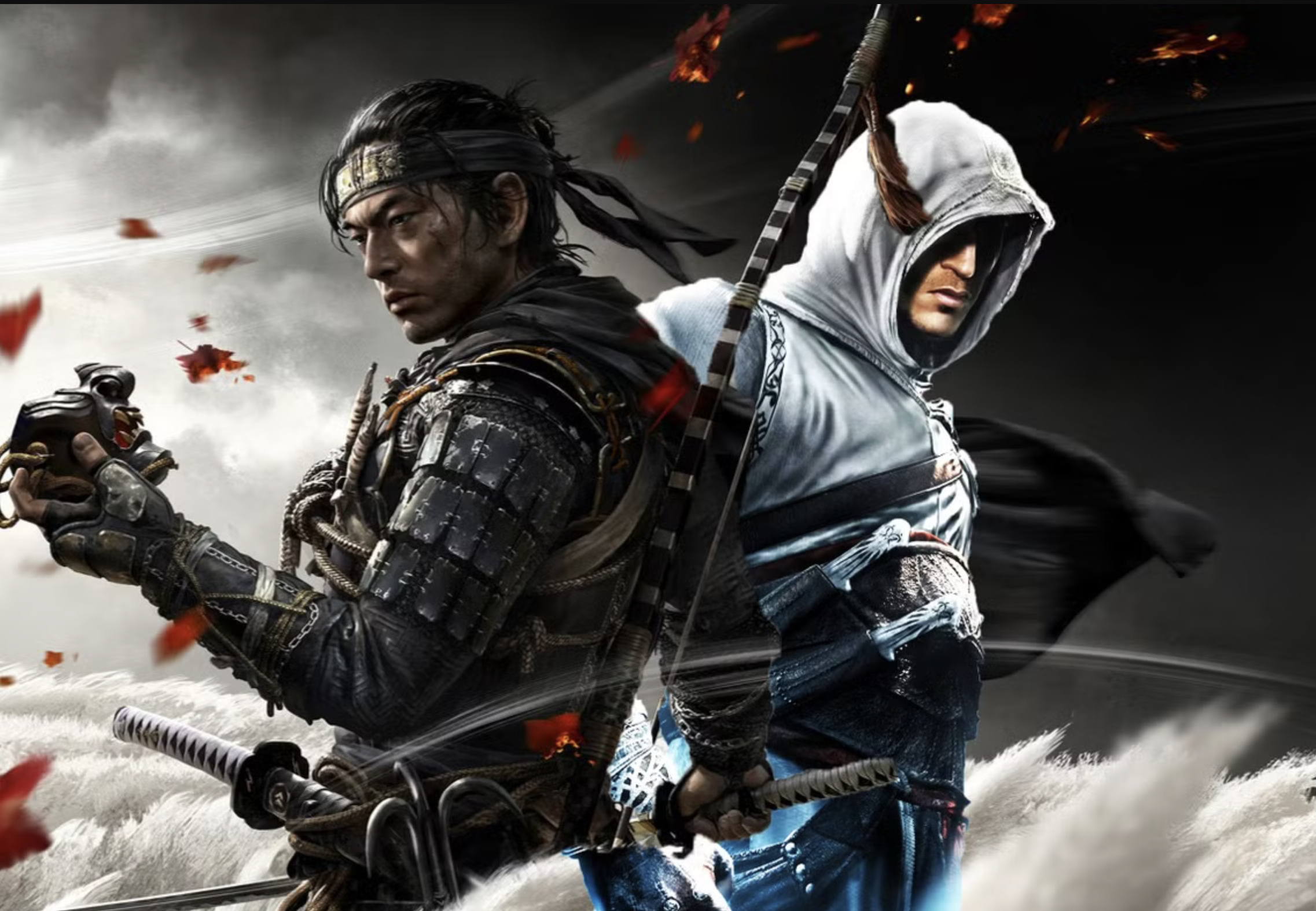
Historical accuracy has always been a point of contention and conflict in media production ever since the first piece of history fiction was published. Movies and tv shows like Peaky Blinders, The Crown, and Gladiator have come under discussion of if it accurately portrays either the historical figure’s life and character (The Crown and Queen Elizabeth II) or the culture and environment the story is portrayed in (post-WW1 Britain in Peaky Blinders and Ancient Rome in Gladiator). Video games however have been a media where not a whole lot of this subject was discussed much. Whilst the panel by Evan Narcisse didn’t really touch on history and its portrayal in video games, mainly staying on African cultural depictions, his example of how Assassin’s Creed: Freedom Cry was one of his top 5 favorite video games due to its accurate and unique depiction of the Haitian Revolution and the lives of Africans in the Caribbean got me thinking of how this historical accuracy discussion that mainly focused on medias like film and tv could be applied to video games (and totally not as a way for me to make a blog post about some of my favorite historical video games surely).
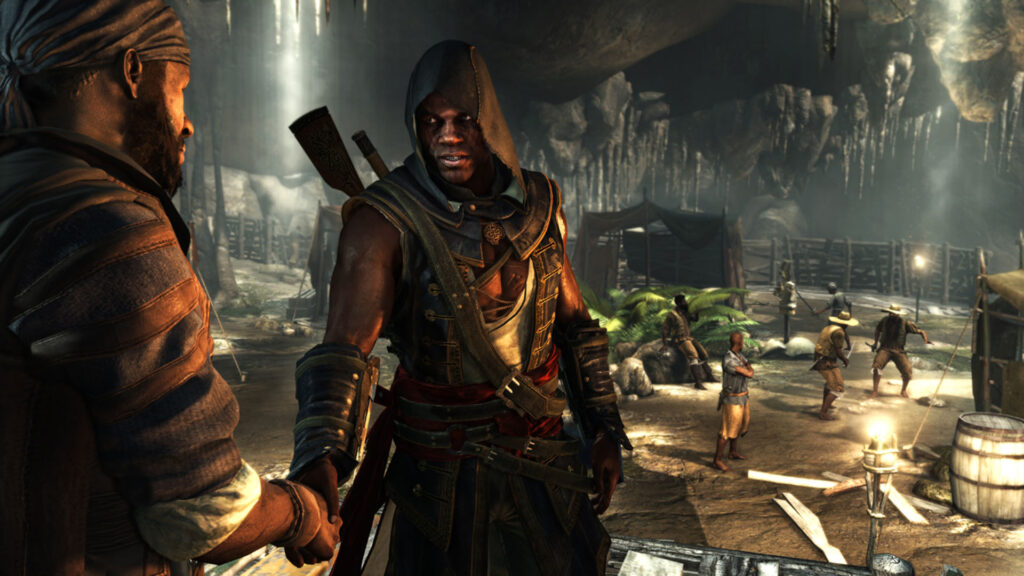
Video games offer a unique mechanic to players that no other media like film or tv can offer, that being interactivity between the player and the characters, environment, and world that the game has to offer. With this increased ability of interactivity and the ability to explore the open world and its environment (in the case of open world games), developers of games that depict historical time periods or real life places tend to put a lot of emphasis on historical and world environment accuracy.
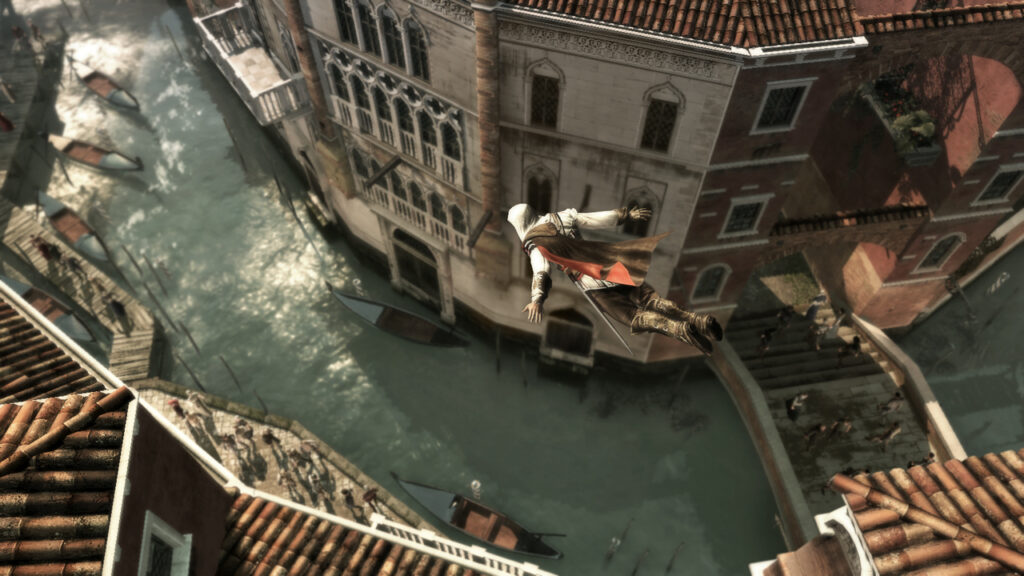
Take an example from another game in the Assassin’s Creed franchise, Assassin’s Creed II. Set in Renaissance Italy, the game follows partyboy turned assassin Ezio Auditore as he navigates the cities and regions of Florence, Forli, Monteriggioni, Tuscany, and Venice in search of answers as to why his family was murdered and to hunt down the conspirators who plotted his family’s downfall. Throughout the game, we see many historical figures, like Leonardo Da Vinci and Rodrigo Borgia, and events, including some not widely talked about in other media, such as the Pazzi Conspiracy, the Bonfire of the Vanities, and the rule of the Borgia Family in the Catholic Church. The city environments and worldbuilding were also depicted accurately and receive praise even to this day for its level of detail, even though the game came out 16 years ago. Cultural aspects such as the Venetian Carnival and Renaissance Art were also featured in the game, even allowing the player to partake in these events through ways such as carnival games (that capture the flag game was horrendous though). Much praise was given to the narrative writers and game designers at Ubisoft for this level of inclusion and dedication, as some Ubisoft developers even visited the cities featured in the game in order to nail down details like local architecture and events. Other examples of games like AC2 with its accurate depiction of history and places could be Ghost of Tsushima, Assassin’s Creed Unity, or Kingdom Come Deliverance II.
However, there are some examples of where developers lack in this field, as while game studios don’t need to reach a high level of detail and dedication like Ubisoft did with AC2, a very lacking or even offensive depiction of historical events and cultures can have a very negative impact on the game’s perception and sprout controversy, similar to Evan Narcisse’s example of Resident Evil 5 depicting African mutant monsters fighting against the white mercenary protagonist and how the developers didn’t even deeply research or visit the countries and places they were depicting in the game. An example of this kind of lack in research and accuracy can be seen in the game Reverse:1999 and their event Tristes Tropiques.
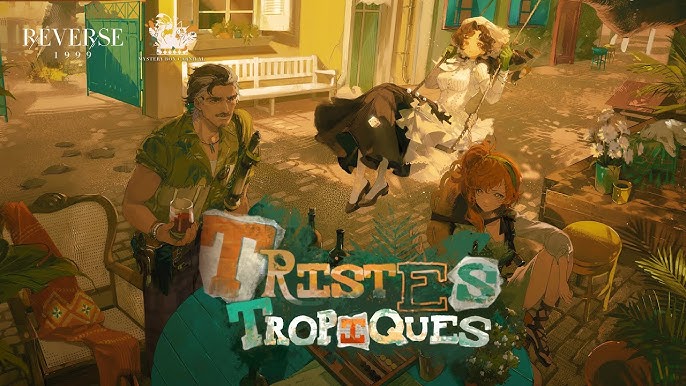
Reverse:1999 is a game centered around time travel where the main protagonist, the Timekeeper, travels to different points in time over the 20th century in order to figure out why a phenomena known as “the Storm” comes and reverses time and people back to different time periods. The game features many different chapters and events focused on these differing historical periods and places, ranging from a Soviet mining town in the Arctic Circle and Jazz Age Chicago to pre-WW1 Austria and 1990’s San Francisco.
The event Tristes Tropiques is another one of these events, set in Sao Paolo, Brazil in the 1950’s. The story follows a group of soldiers and the main protagonist traversing through the forests and districts of the city in search of an author who may know the reason behind the Storm’s appearance, all while being chased down by a rebelling foreign army regiment. The story of the chapter drew a lot of controversy for its depictions of Sao Paolo and the central story itself. In the chapter, Sao Paolo is depicted as a city riddled with slums, gang violence, and corruption, whilst the main characters have to fend off violent gangsters and take down a predominately white foreign army regiment who are terrorizing the city. Fans and most importantly those from Brazil and other parts of South America were outraged, citing at how the chapter depicted their home as nothing but ruthless violence, shabby slums, and pure chaos, with the foreign army regiment being compared to European colonizers and imperialists. Many even questioned the integrity of the story writers at Bluepoch Studios, the developers of Reverse:1999 and if they truly did their research on Brazillian life and history, even though they had produced very accurate and well received stories of different cultures and places like those said above. Bluepoch would come back stronger with better stories and events that became more well received by the community later down the line, but Tristes Tropiques left a very sour taste in many people’s mouths.
Video games tend to get cut some more slack compared to other forms of media, as the large majority of games with historical aspects tend to have historical fiction and made up characters/events as their main focus rather than real life historical figures, which are depicted more widely in mediums like movies and tv shows with varying degrees of success (the Napoleon movie for example was awful). However the discussion of historical accuracy and depictions of local cultures has begun to surface in video game studies and critiques, with some games like AC2 and Ghost of Tsushima nailing the head in their depictions and gaining accolades and overwhelming support, but others like Reverse:1999 in their Tristes Tropiques event and Resident Evil 5 not hitting the target and coming under fire and controversy as a result.