The Oxford Languages definition for the phrase ‘machinima’ is “a method of making animated film using software similar to that designed for making video and computer games.” The machinima screening was, for me, a comfortably uncomfortable experience.
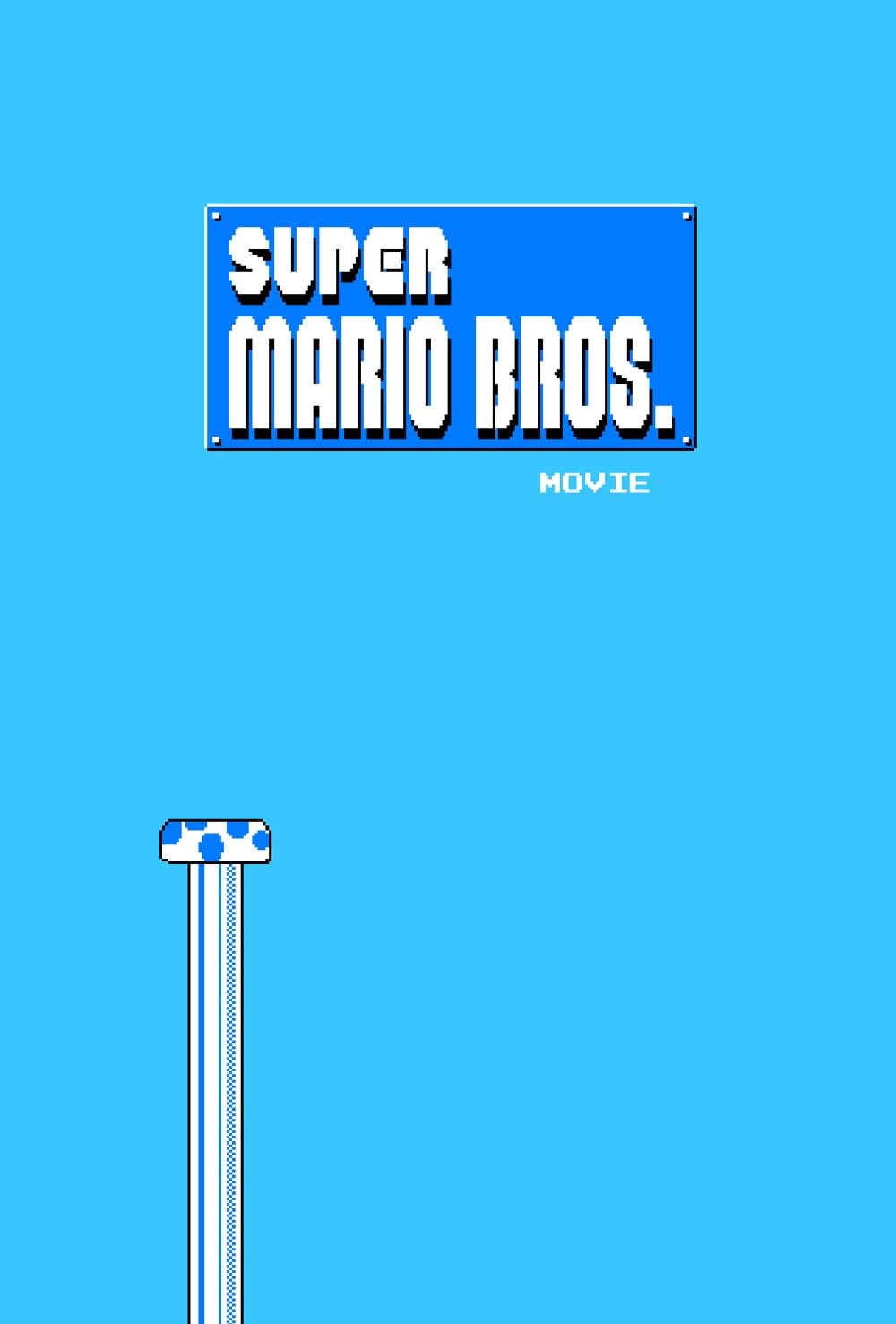
The Arcangel movies Clouds and Super Mario Movie, though a mere three years apart, showed a huge difference in level of manipulation and complexity. Clouds shocked me with its simplicity; I did not expect the title to be so literal. By taking the clouds that panned across the background and making them the focus, Arcangel created an oddly lonely film; both minimalist and seemingly simple. By contrast, Super Mario Movie was entirely maximalist once you got past the first couple of minutes. I really enjoyed the way Arcangel distorted the original soundtrack from the game into something far more discordant. It was recognisable enough to place as the Mario OST, but dissonant enough to have a somewhat uncanny-valley feeling to it.
Adding to that complexity was the myriad of colours that flashed across the screen in time with the beats of the music. Super Mario Movie was both visually and auditorially violent. It was an assault to the senses, which I imagine was probably intentional on the creator’s side. One creative element was the way the movie seemed to show a progressive entropy; initially, the movie was fairly monochromatic (blue) and did not flash between colours. The music was relatively unobtrusive and Mario seemed similar to how he appears in the original game. As the movie progresses, this normalcy breaks down into an extremely foreign, unsettling display. At one point, Mario falls through the air past large depictions of his face. He becomes a fuzzy block at another point in the movie, and there’s a reference to Pong nearer the end of the film. All of this contributed toward the growing feeling of unease I felt while watching the movie. The reference to Pong really took me out of that state of being; it felt almost comical, and indeed, some audience members laughed when we realised what was being displayed.
I also wanted to draw attention to She Puppet, by Peggy Ahwesh. This movie was simultaneously disturbing and hilarious. Right off the bat, the music was extremely creepy; perhaps a connotation of the phrase ‘puppet’ is the notion ‘creepy’. That was the sense that I got from the opening scene of She Puppet. A discussion with classmates after the viewing revealed that I spotted the themes of feminism and the struggle of the female gender much faster than my male counterparts. I saw the narrative run throughout the movie; from the way the camera panned around Croft’s breasts at one point, to the focus on her clothing and the noise she made when she died (which sounded far too sexual for an action game).
One of my classmates made a really interesting point about the vulture scene, which was the one scene I had a hard time parsing. He mentioned that the vultures attacking Croft could be interpreted as the struggle of women against the patriarchy. I found this interesting, since I mostly focused on how the game’s mechanical limitations were what prevented Croft from being killed by the vultures. She was able to escape them by walking into a thin cave that was too narrow for the vultures to enter.
Interestingly, unlike the many soldiers and other animals we saw Croft kill, she did not use her guns to shoot the vultures. This broached the question: what were the vultures supposed to represent? I think that my classmate’s suggestion that the vultures represented the patriarchy was an insightful one; Croft (the representative for women) did not shoot the vultures (the patriarchy) because she was unable to do so (women are unable to usurp the patriarchy).
Another core scene that really impacted me was the part where Croft died, and her dead body twirled and floated through a piranha-infested river. This, for me, was the crux of the title: She Puppet. Croft’s body was being used as a literal puppet for entertainment; the somber operatic music floating over the goofy visuals on screen hammered home the almost-mocking scene we were watching. I felt equal parts amused and disgusted by what I saw, which I feel was the general theme of She Puppet. Amusement at the sheer laughability of the movie, and disturbance once the overarching message became salient.
Overall, my experience of the Machinima Screening was one of discomfort, and learning to become comfortable with my discomfort. It was a valuable experience that showed me a completely different form of media.
The Arcangel movies Clouds and Super Mario Movie, though a mere three years apart, showed a huge difference in level of manipulation and complexity. Clouds shocked me with its simplicity; I did not expect the title to be so literal. By taking the clouds that panned across the background and making them the focus, Arcangel created an oddly lonely film; both minimalist and seemingly simple. By contrast, Super Mario Movie was entirely maximalist once you got past the first couple of minutes. I really enjoyed the way Arcangel distorted the original soundtrack from the game into something far more discordant. It was recognisable enough to place as the Mario OST, but dissonant enough to have a somewhat uncanny-valley feeling to it.
Adding to that complexity was the myriad of colours that flashed across the screen in time with the beats of the music. Super Mario Movie was both visually and auditorially violent. It was an assault to the senses, which I imagine was probably intentional on the creator’s side. One creative element was the way the movie seemed to show a progressive entropy; initially, the movie was fairly monochromatic (blue) and did not flash between colours. The music was relatively unobtrusive and Mario seemed similar to how he appears in the original game. As the movie progresses, this normalcy breaks down into an extremely foreign, unsettling display. At one point, Mario falls through the air past large depictions of his face. He becomes a fuzzy block at another point in the movie, and there’s a reference to Pong nearer the end of the film. All of this contributed toward the growing feeling of unease I felt while watching the movie. The reference to Pong really took me out of that state of being; it felt almost comical, and indeed, some audience members laughed when we realised what was being displayed.
I also wanted to draw attention to She Puppet, by Peggy Ahwesh. This movie was simultaneously disturbing and hilarious. Right off the bat, the music was extremely creepy; perhaps a connotation of the phrase ‘puppet’ is the notion ‘creepy’. That was the sense that I got from the opening scene of She Puppet. A discussion with classmates after the viewing revealed that I spotted the themes of feminism and the struggle of the female gender much faster than my male counterparts. I saw the narrative run throughout the movie; from the way the camera panned around Croft’s breasts at one point, to the focus on her clothing and the noise she made when she died (which sounded far too sexual for an action game).
One of my classmates made a really interesting point about the vulture scene, which was the one scene I had a hard time parsing. He mentioned that the vultures attacking Croft could be interpreted as the struggle of women against the patriarchy. I found this interesting, since I mostly focused on how the game’s mechanical limitations were what prevented Croft from being killed by the vultures. She was able to escape them by walking into a thin cave that was too narrow for the vultures to enter.
Interestingly, unlike the many soldiers and other animals we saw Croft kill, she did not use her guns to shoot the vultures. This broached the question: what were the vultures supposed to represent? I think that my classmate’s suggestion that the vultures represented the patriarchy was an insightful one; Croft (the representative for women) did not shoot the vultures (the patriarchy) because she was unable to do so (women are unable to usurp the patriarchy).
Another core scene that really impacted me was the part where Croft died, and her dead body twirled and floated through a piranha-infested river. This, for me, was the crux of the title: She Puppet. Croft’s body was being used as a literal puppet for entertainment; the somber operatic music floating over the goofy visuals on screen hammered home the almost-mocking scene we were watching. I felt equal parts amused and disgusted by what I saw, which I feel was the general theme of She Puppet. Amusement at the sheer laughability of the movie, and disturbance once the overarching message became salient.
Overall, my experience of the Machinima Screening was one of discomfort, and learning to become comfortable with my discomfort. It was a valuable experience that showed me a completely different form of media.


I totally agree with the feeling of discomfort during the screening. I personally felt uncomfortable with the visuals (the strobing was pretty bad at some points) and experimental nature of the films (it is annoying to watch something weird and confusing of extended periods of time). In my blog post, I talked about how I hated most of the films, but I think you have changed my interpretation of She Puppet. I like your analysis of how the film has a female protagonist, yet still uses women as the butt of the joke/ source of entertainment. The film is only able to progress because a woman is being killed, which is pretty wild.