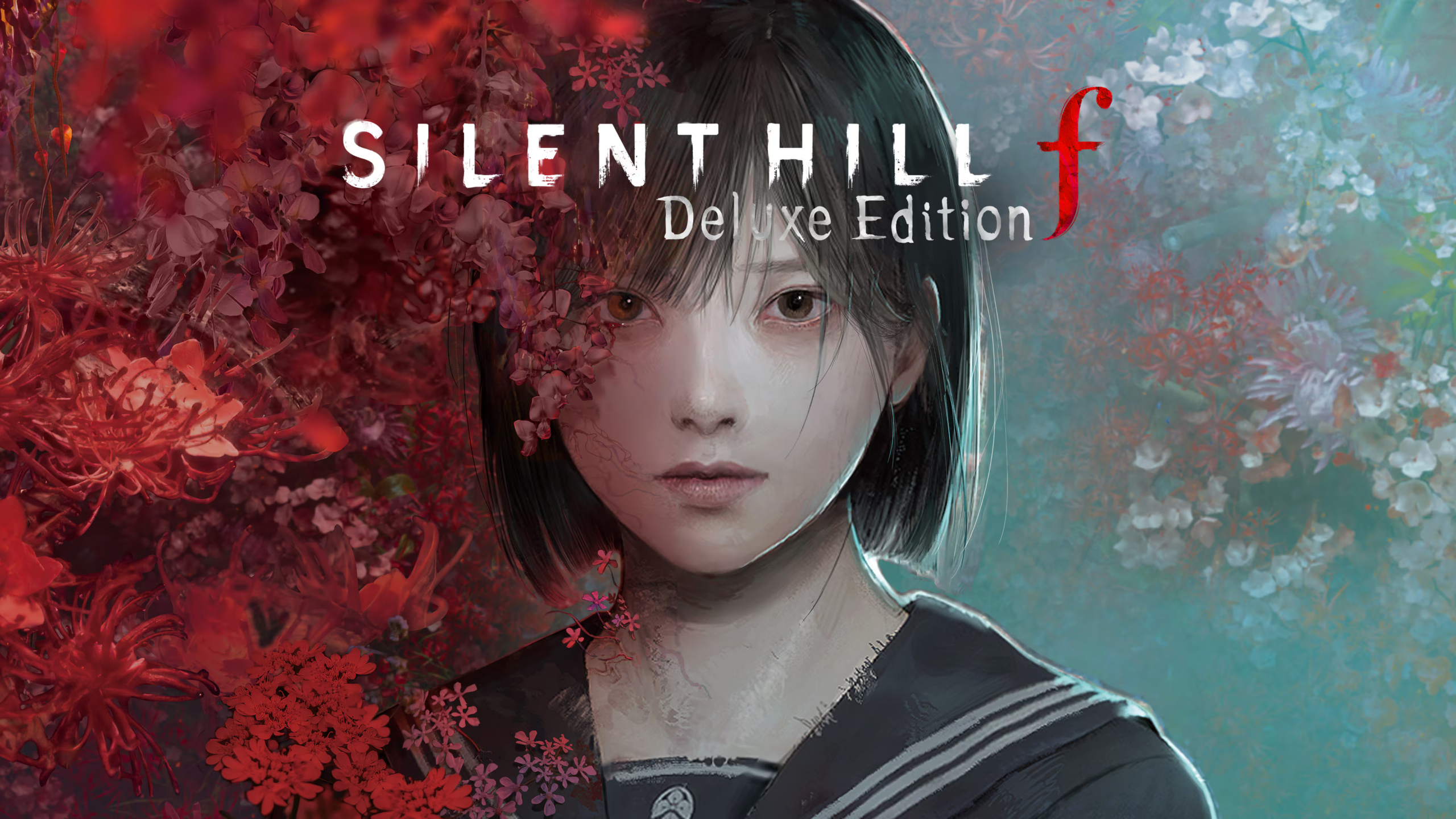
The idea of embedded design vs. overt designs within video games brings up the question of what is considered overt and what is discreet. After reading the paper, I immediately thought of popular games that received backlash for being too “woke”, such as Horizon: Zero Dawn receiving backlash for having a female protagonist, let alone a woman who was not traditionally feminine; Silent Hill F for featuring a female protagonist that rebels against gender norms and resists the submission of women into arranged marriages; and plenty more games. In fact, here is a lovely Google Sheets list I stumbled across while researching for this post that sorts what seems to be every game ever into “woke” or “not woke”: https://docs.google.com/spreadsheets/u/0/d/1AVTZPJij5PQmlWAkYdDahBrxDiwqWMGsWEcEnpdKTa4/htmlview?pli=1#gid=0.
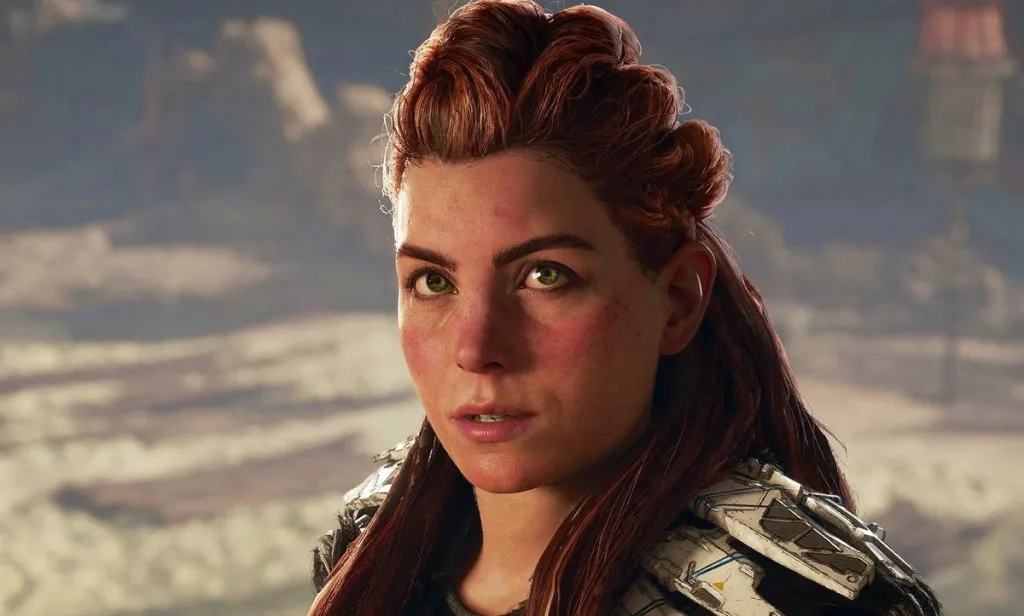
With these examples, I think the games were as “discreet” as they could be with their themes or representations. How can Silent Hill F portray Hinako’s story if she is not a woman? Her identity as a woman is the founding block for the way her story develops and the circumstances that shape her character. I have also seen some online criticism towards Silent Hill F as being a “man-bad” game, when Shu is depicted as Hinako’s closest friend and the only character who treats her the way she wants, while her female friend Rinko is consistently shady towards her and allows her internalized misogyny to lash out at Hinako. The game is already as inoffensive as it can possibly be with the subject matter it touches upon, but certain people will always find a way to feel offended. Similarly, how can Horizon: Zero Dawn have a female protagonist that resists traditional gender norms and also appease these crazy anti-woke fans? If the game relents to traditional depictions of female avatars and follows conventional beauty standards, then it will fail to fulfill the very object it set out to complete: challenging the very beauty standards it defies. There are certain design choices that cannot be ignored, even if it will anger those who can only accept the most discreet ideas. But I’d also argue that it’s ridiculous that something as small as having a female protagonist, when women make up half of the world’s population, is an “overt” design choice. Even when the game is as discreet as its scope allows, there are a few people out there who refuse to accept things that even slightly defy their narrow worldview.
If that’s the case, then is it even possible to persuade people like that? Or are they lost causes, and we should direct our attention elsewhere? I don’t think there truly exists a person who will never be able to be persuaded. I’ve heard many anecdotes about ultra-conservative people slowly becoming radically leftist, and vice-versa, so it’s definitely a possibility. But how do these persuasive processes happen with people as stubborn as them? How can games be used to introduce things that challenge their worldview in a way that also does not incite strong anger or defensiveness and without sacrificing the integrity of their goal?


I really like how you talk about the fact that controversial aspects of a character or a person are sometimes intrinsically tied to them and unavoidable if you are to tell their story. The “discreet” -ness and “inoffensiveness” that the game tries to portray the story under is very interesting because of this. If there is no way to persuade and please all audiences, why try to tell this story at all? And to that point, why try to tell any story at all if, as you said, people will always find a way to be offended by something? I feel that games should embrace these “controversial” identities and stories that are inherent to their characters and gameplay, embedding these aspects into the game to make them unavoidable and destigmatized.