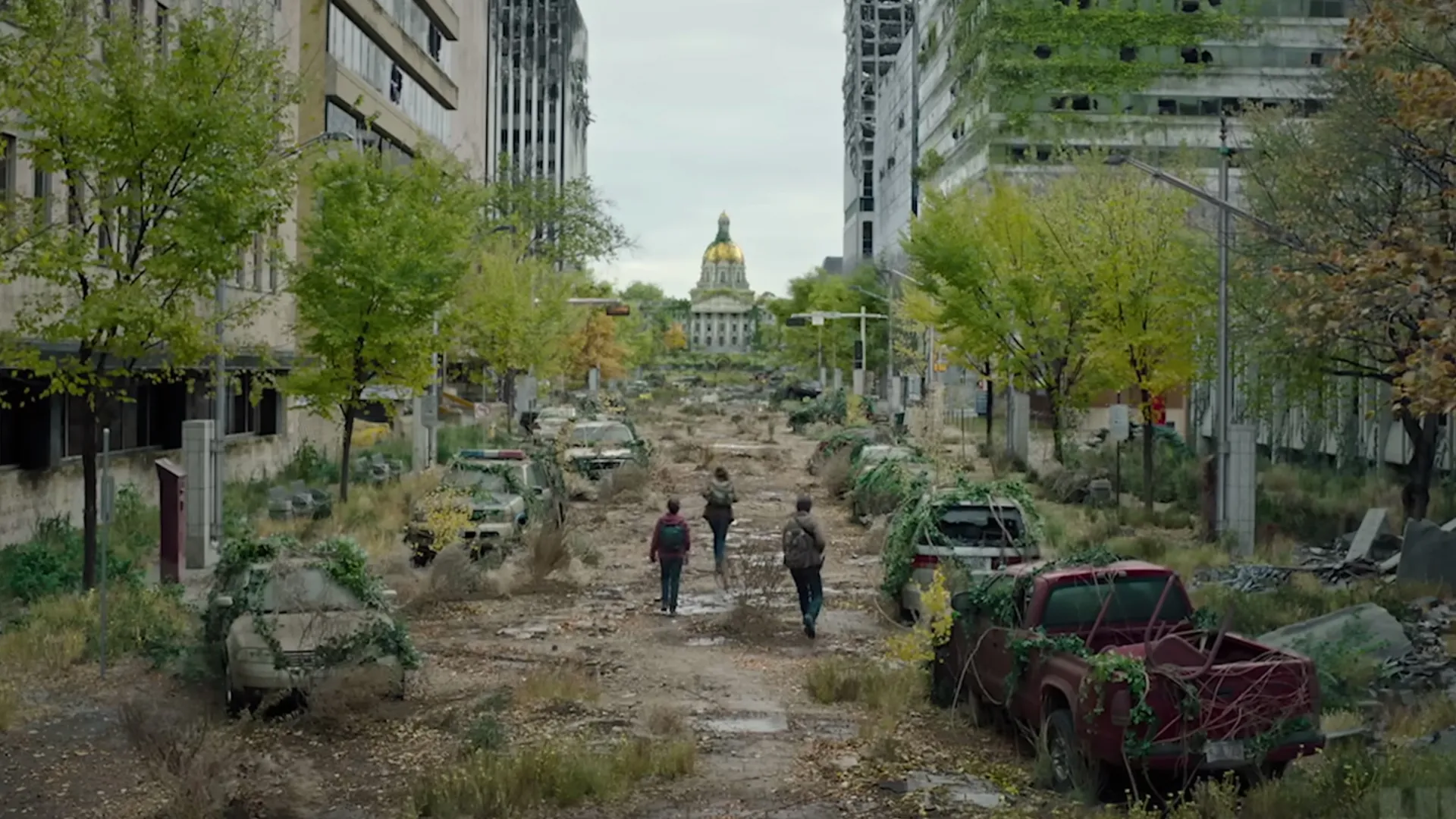
Since starting to play The Last of Us: Part 1 over Thanksgiving break, I’ve been thinking a lot about the transition of video games into film and television, and specifically how filmmakers choose to honor the games in the absence of embodiment and interactivity. I’ve interacted with quite a few of these transitional pieces, but for simplicity, I’ll talk only about The Last of Us TV adaptation.
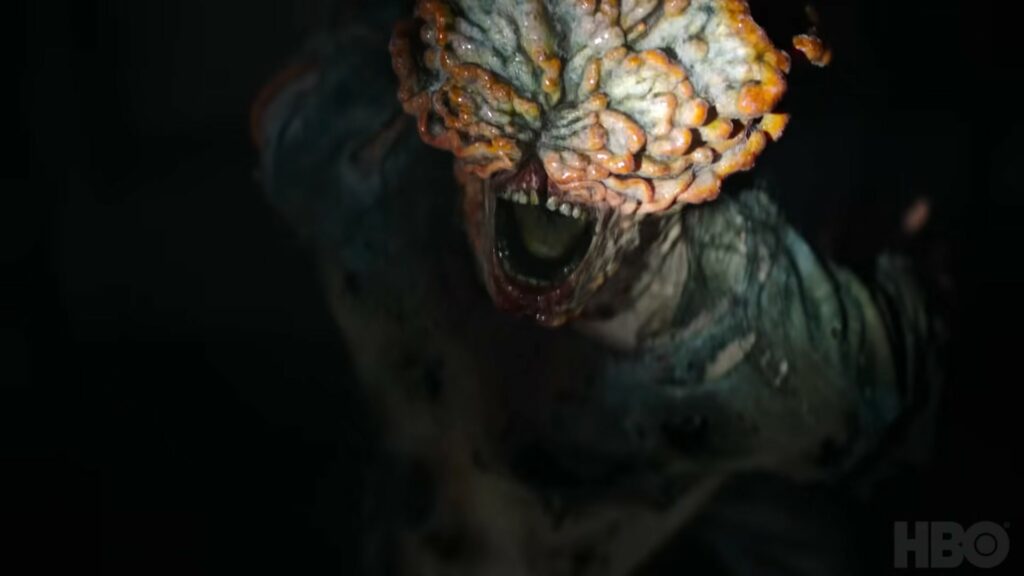
The core challenge I think in creating successful adaptations of very popular TV shows is honoring the affective nature of the game, which it typically produces through direct embodiment and interactivity. Filmic representations of these games need to find some way to create the same emotional experience for the viewers as they get in the game, or else what’s the point of even watching it in the first place? When I first started playing The Last of Us, and even 10 hours into the storyline, I noticed that the game feels much less emotionally involved than the TV series. The corresponding episodes of the show develop a much stronger bond between the characters and the audience, and this allows for what is lost in interactivity to be essentially boost by emotional resonance with characters. In this way, it’s the adaptation’s job not to perfectly replicate what we are seeing and doing in the game, but to replicate the reasons why we love playing it in the first place. One portion of the show that I think does a really good job of this is in its atmospheric storytelling. The show is able to perfectly reproduce the unsettling, gross, and dangerous feeling atmosphere of the game, which is a large portion of why a lot of people enjoy this game/show.
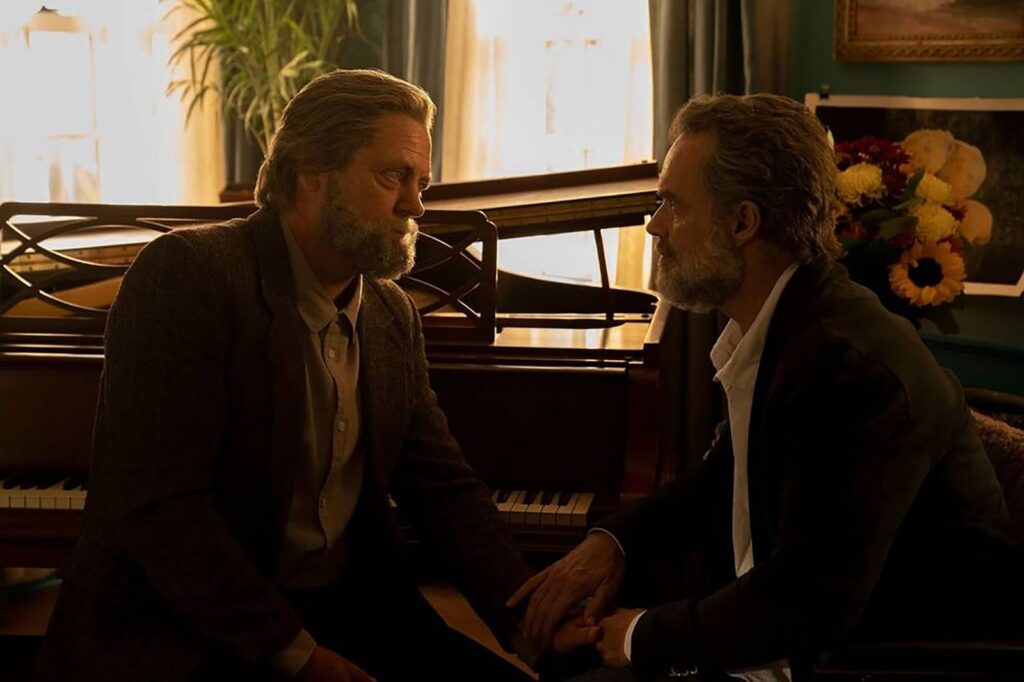
I know a lot of people will disagree with me when I say this as well: I don’t necessarily think the show needs to be a step-by-step translation of every scene from the game. A lot of what The Last of Us does well is adding emotional depth by expanding on things we see in the game. A great example of this is how the show treats the relationship between Bill and Frank, the heartbreaking episode that tells the tale of their love and death. The game essentially omits the relationship all together, not fully developing their relationship as the show does. This is a prime example of how the filmic adaptation can expand on ideas presented in the game to provide a richer and more emotional experience in the absence of interactivity.
Lastly, I want to mention something that the creator of the show said in an interview about this very topic. To him, the most important aspect of producing the show was getting the core of the game right. By the core, he is referring to the relationship between Joel and Ellie, which, if he got it right, he knew he could get away with expanding other parts of the story that do not directly correlate with something seen in the game. For him, the casting of Joel and Ellie was one of the most important parts of producing the show, especially in mirroring the trauma that shaped Joel’s character, and the vulnerability, but also the flair of Ellie’s character. In my opinion, I think the acting of this show far outshined the character development in the game (but I’m not mad about that). Overall, I’m a massive fan of these kinds of adaptations, and I think I’m part of the small group of people who don’t really care that much if the show goes in its own direction. While I was never a hardcore disciple of the narratives of video games, I find its almost better to allow filmmakers and producers to go in their own direction with the themes and characters of the game rather than conforming to some ultra-specific set of scenes. This way, the artistic talents of the producers can elevate the narrative and themes of the games, and won’t fall short in achieving every minute detail that the games have to offer. Because, at the end of the day, films and television are a wildly different form of media from games that require their own set of practices to make something work.


I really agree with your point that an adaptation doesn’t need to recreate every scene to be faithful. What matters is capturing the emotional core of the game That’s the part you lose when you remove interactivity, so the show has to make up for it through performance, pacing, and atmosphere.
The Bill and Frank episode is the perfect example of how expanding beyond the source material can actually make the world richer. It adds emotional depth the game never had space for, and it shows how adaptations can honor the spirit of the narrative without sticking to a strict one-to-one translation.
Games and TV are completely different mediums, and I think The Last of Us succeeds because it understands that. It keeps the heart of the story intact while letting the showrunners build outward in ways that make sense for television.
This is a very well thought out post, and I agree that most film adaptations that try to do a 1 to 1 recreation are usually terrible. But I did find your experience playing vs watching The Last of Us to be very interesting. You said that the show was much more successful in developing a bond between you and the characters, however I felt the complete opposite. Making the player physically play through the prologue of Joel losing Sarah immediately created a stronger feeling of connection between me and Joel than simply watching it happen. Even though the amount of interaction during the prologue is minimal, it still gave me a sense of agency and connection unique to video games. I think this is something to think more about: games are incredibly subjective in how each person experiences them due to the agency provided to the player, while movies/tv do not provide this agency. How does this change what to leave in and what to build on during the process of adaptation?