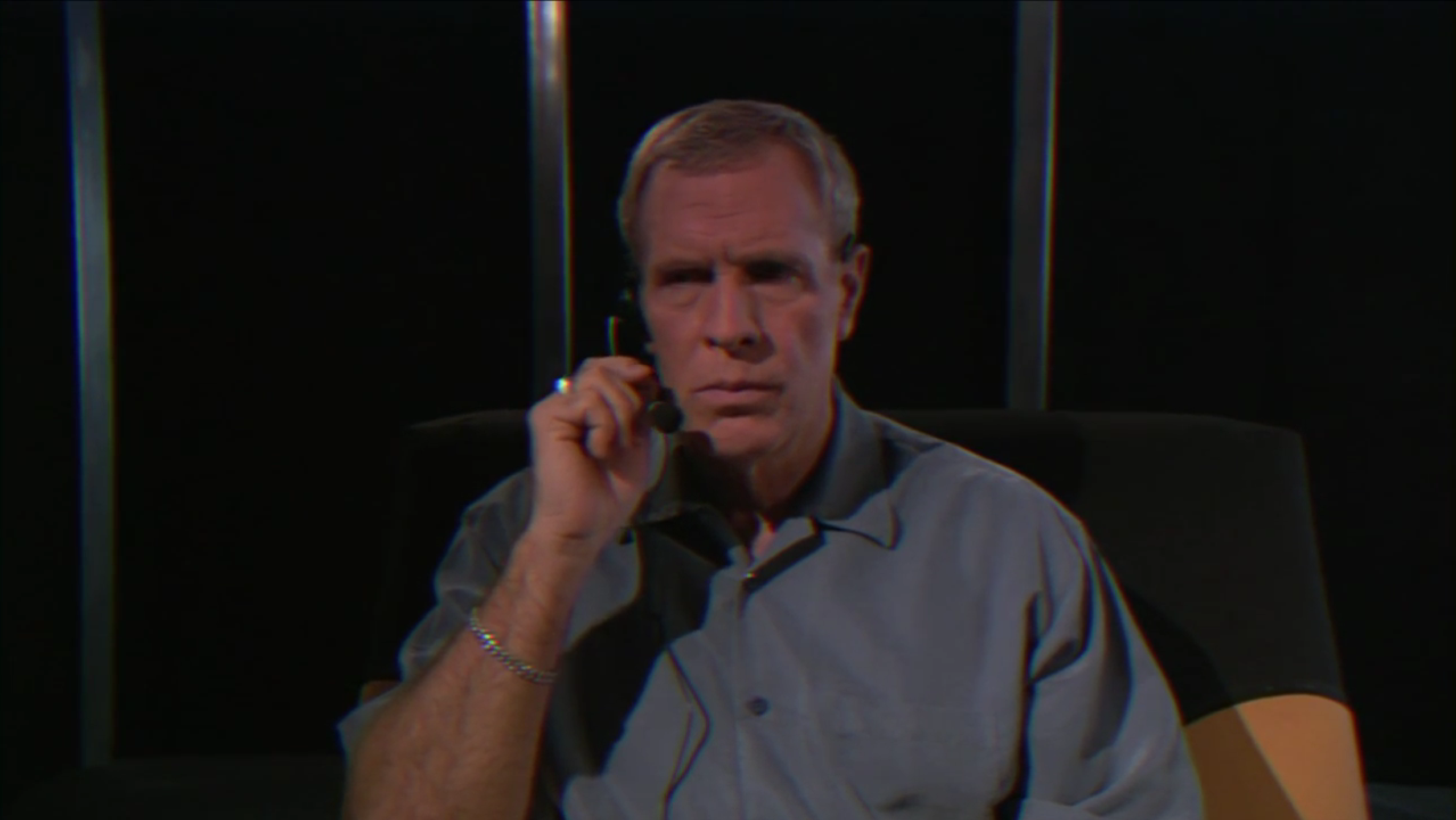
I went to the Machinima screening last Thursday and one of the only films that were shown that really intrigued me was Kent Lambert’s Reckoning 3. Immediately, what struck me about this film was its eerie mood. What contributed to this eeriness was the background music, the voice distortions, and the overlapping images.
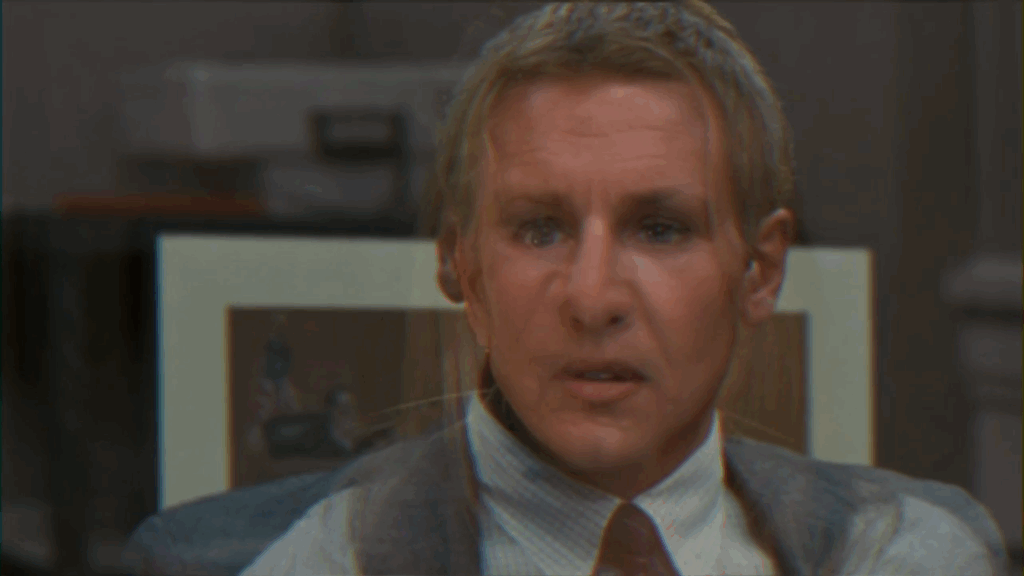
What also made this experience eerie was the subject matter and the way that was portrayed. For example, there is a certain point during which some people talk about the Sandy Hook Elementary School shooting. This audio plays on top of gameplay footage from a shooter game, which emphasizes the subject matter and makes it even more grim.
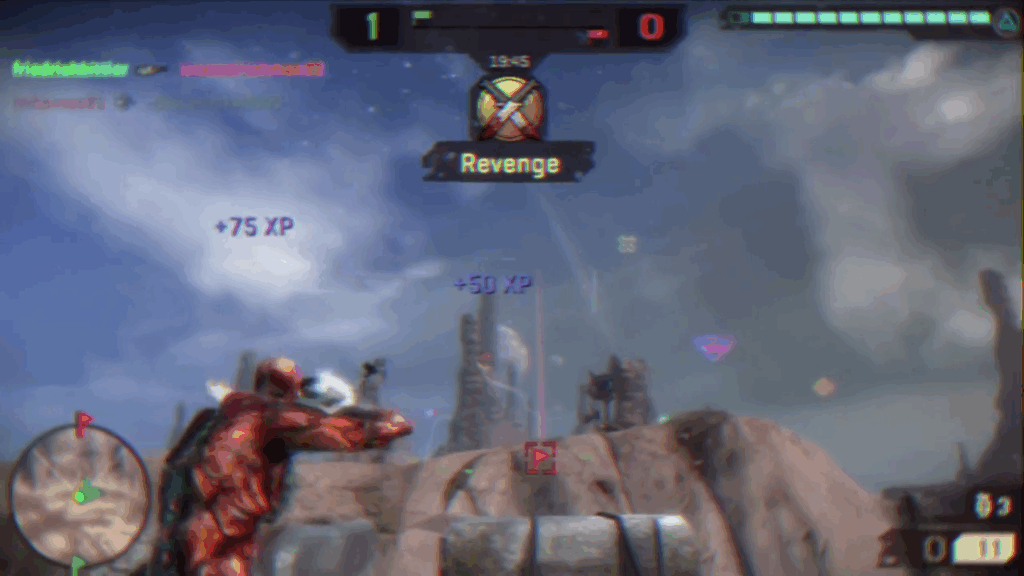
At first, in this scene one of the men reads a bit of news about the shooter Adam Lanza and how he seemed to be in an imaginary competition against Anders Breivik, a Norwegian mass murderer. The man then pivots to say that there are a lot of people on YouTube who are saying that the Sandy Hook Elementary School shooting was fake and a government scandal. To me, this scene can be interpreted in two parts. The first part can be interpreted in terms of violent competition and toxic masculinity taken to the extreme, which is seen in events like mass shootings. By layering this audio on top of scenes from a shooter game, Reckoning 3 seeks to symbolically highlight the normalization of violent competition for the everyday man. The second part is more about the denial of toxic masculinity. A lot of men deny the influence of toxic masculinity in their lives and especially deny its extreme instances, which includes denial of sexual assault cases and domestic violence. By denying the Sandy Hook shooting and dismissing it as a hoax, these types of men represent the inability to take responsibility for perpetuating toxic masculinity. While the school shooting is a more extreme example of this, I believe it can be read symbolically to account for many different types of cases.
This relates back to an earlier scene of two men in a UFC game. This is a representation of violent competition between men, but there are also queer undertones present in the movements of the two players. Therefore, there are two types of denial present in Reckoning 3: one denying toxic masculinity and its problems, and the other denying queerness and therefore also perpetuating toxic masculinity. Queerness is often dismissed and treated as an insult among men. “That’s so gay” and “no homo” are common phrases that young men tend to use to playfully steer people’s perception of them away from queerness. To me, that’s what this scene reminds me of: young men who are intimately tied together but are also at a distance and refuse to close that gap for fear of being perceived as queer. This is a problem, not only for queer men but for platonic friendships between men that don’t get very close because of this fear.

This piece of machinima makes me wonder: how can we show young men how to confront their toxic masculinity through the use of machinima? Can we do that? Or is it only possible to show them the problems through this form without offering clear solutions?


Very interesting observations that I very much agree with, especially regarding the intimacy of wrestling contrasting with the violence and dominance inherent to the sport. If you haven’t already, I highly recommend the following chapter by Bonnie Ruberg on #nohomo: https://muse.jhu.edu/pub/166/oa_edited_volume/chapter/2792830. Here, Ruberg analyzes the ways #nohomo has been used on Twitter and how it functions as a tool to police straight masculinity. Machinima can be used to highlight issues of toxic masculinity, which can inspire people to interrogate their own habits and beliefs. Acknowledging this issue is a big part of the solution.