A very good question was brought up in class some time ago that asked, “why are there so many truck simulators?”
Subsequently, a very good answer was brought up: “its one of the most popular toys for kids.”
I agree with this, stores stay stocked with miniature versions of every single type of truck known to man, but I was tempted to add that they are generally marketed towards boys specifically.
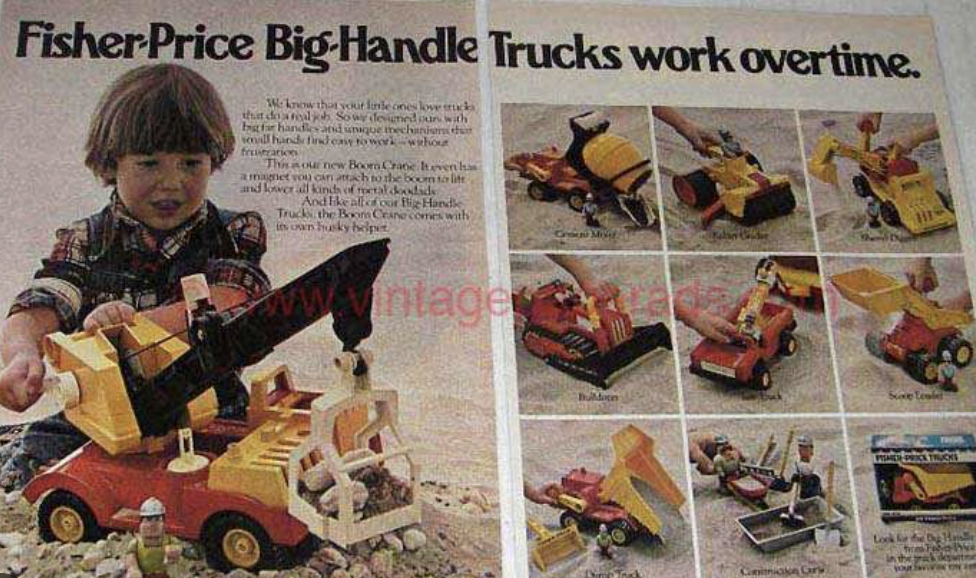
As such, the popularity of truck simulation games matter when talking about gender in gaming. The mechanics of just driving long hauls, managing cargo like its a mssion, and the games interest in “bigger and better” truck customizations highlights how deeply gaming spaces are shaped by traditionally masculine fantasies. American Truck Simulator centers on mastery, control, and domination of space: you command massive vehicles, conquer enormous landscapes, and participate in an industry historically coded as male. In the advertisements, all the voices are male, for example. This makes ATS have a very cowboy-ish feel, also traditionally tough, and thus masculine. Even its mechanics—precision backing, fuel management, engine tuning—reward technical competence in ways often aligned with cultural expectations of “masculine skill.” You often don’t see daughters being taught how to fix a car, much less play with powerful vehicles and race them around in childhood, especially in advertisements for those toys. Chrome grills, diesel growls, rugged landscapes, and the romanticized image of the lone (male) driver all reinforce a narrow fantasy of freedom and power. The player character is rarely given a defined identity, but the world assumes a masculine default through its radio chatter and the demographic it overtly courts with its tough rugged aesthetic, down to the rock music. Community spaces around the game, like mods, forums, and YouTube channels, center male creators and use language that subtly polices who “belongs” in the ATS community.
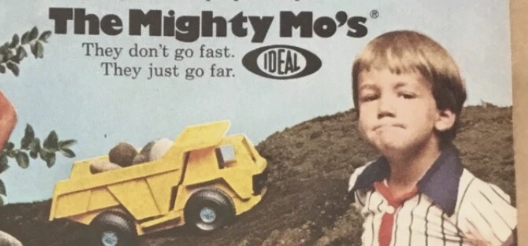
The fantasy of ATS is not aggressive or violent like many traditionally male-dominated genres. Instead, it’s about competence, independence, and authority, which are traits culturally tied to a particular ideal of American manhood. Like the model man, this game lets you simulate providing for yourself, your boss, and ‘MURICA! The popularity of these games suggests that even “peaceful” simulators can reinforce gendered boundaries of participation. In that sense, American Truck Simulator becomes a soft but clear marker of male domination in gaming: not through exclusionary rules, but by embedding a worldview that feels natural to some players and alien to others.