i went to the night trap playthrough last thursday (thank you to ash and chris carloy for putting that on!) and it got me thinking about FMV (full-motion video) games.
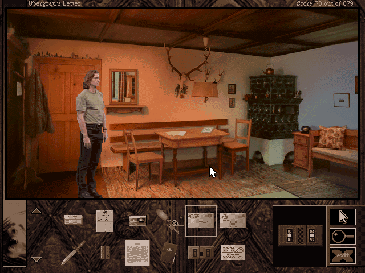
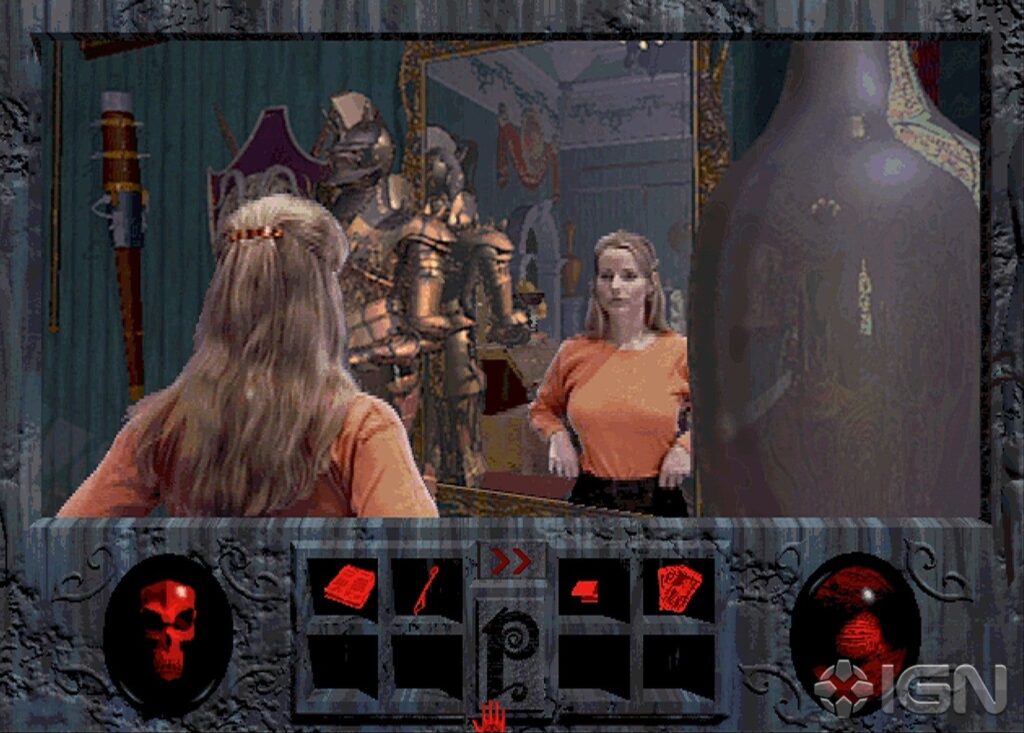
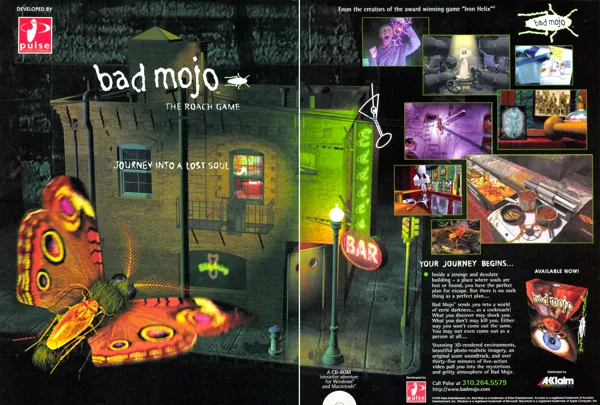
in case anyone doesn’t know what i’m talking about, full-motion video games were games that relied upon pre-recorded actors/scenes to depict all game actions, rather than just cutscenes (which was relatively common at the time). while the technology behind FMV was available starting in the mid-1980s, the FMV game bandwagon really gained traction in the early to mid-1990s. and it really was a bandwagon, with huge publishers such as Sony and EA throwing their hat in the ring eventually.
now, it’s important to note that FMV games are still made today. for example, sam barlow’s telling lies that we played a few weeks ago is an FMV game (as are his other notable games her story and immortality). but the peak of FMV production and investment lies squarely in the 90s. and crucially, most, if not all, of these games are absolute Garbage.
recently, i’ve been deeply obsessed w FMV games and classic CRPGs thanks to a number of dedicated youtube channels, which i will note at the end of this post if you find yourself at all interested in this topic. this obsession has led me to feel really nostalgic for this era of truly terrible games, but to me, it represents a time after the games industry had been established, but not yet calcified.
maybe the games were bad, but they were also really weird and innovative! entire companies were created to make these games (e.g. digital pictures and american laser games), and new software was developed to support them (e.g. 3DO, Philips CD-i, and Sega CD). but, alas, despite all the innovation, FMV games hit a wall: hardware. the first FMV games came about in arcades with the advent of the laserdisc, which gave us arcade gems such as Dragon’s Lair, Who Shot Johnny Rock?, and Mad Dog McCree.
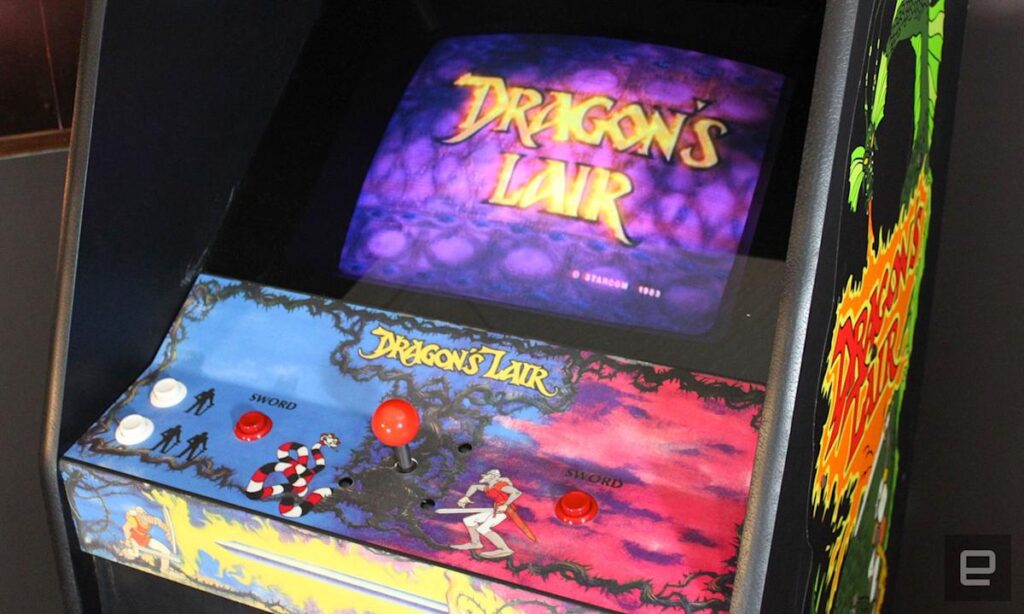
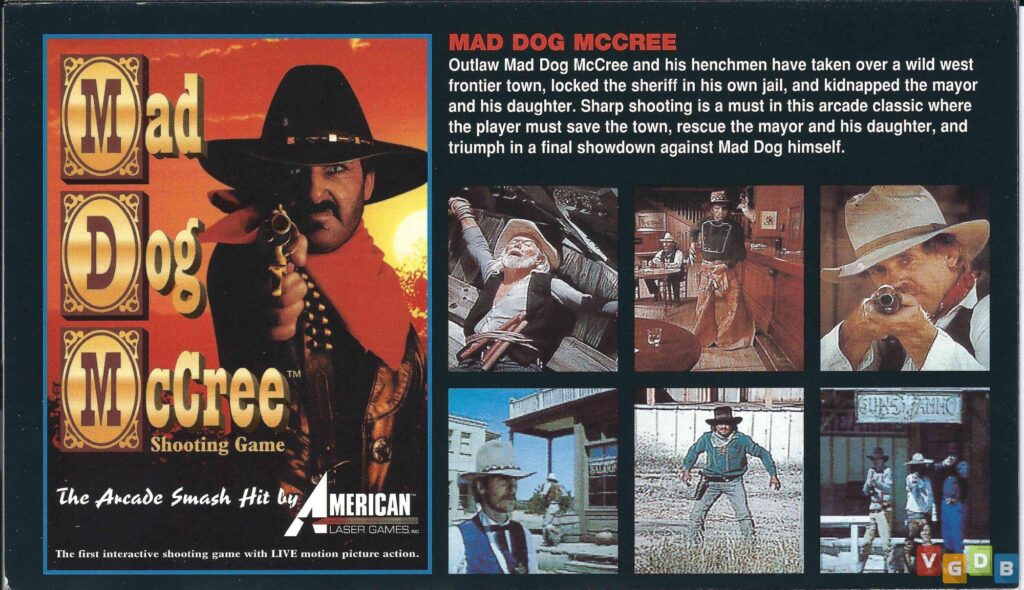
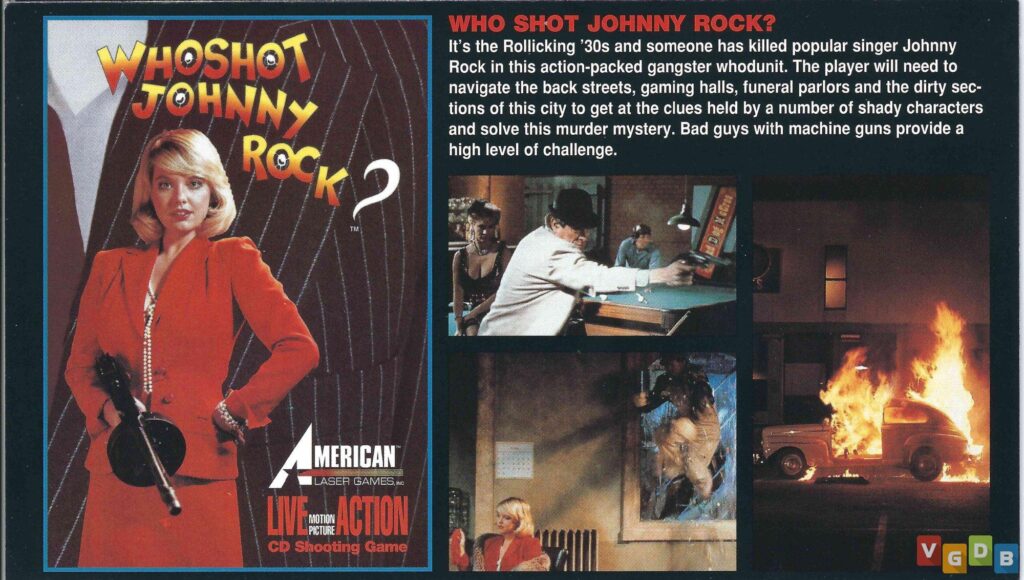
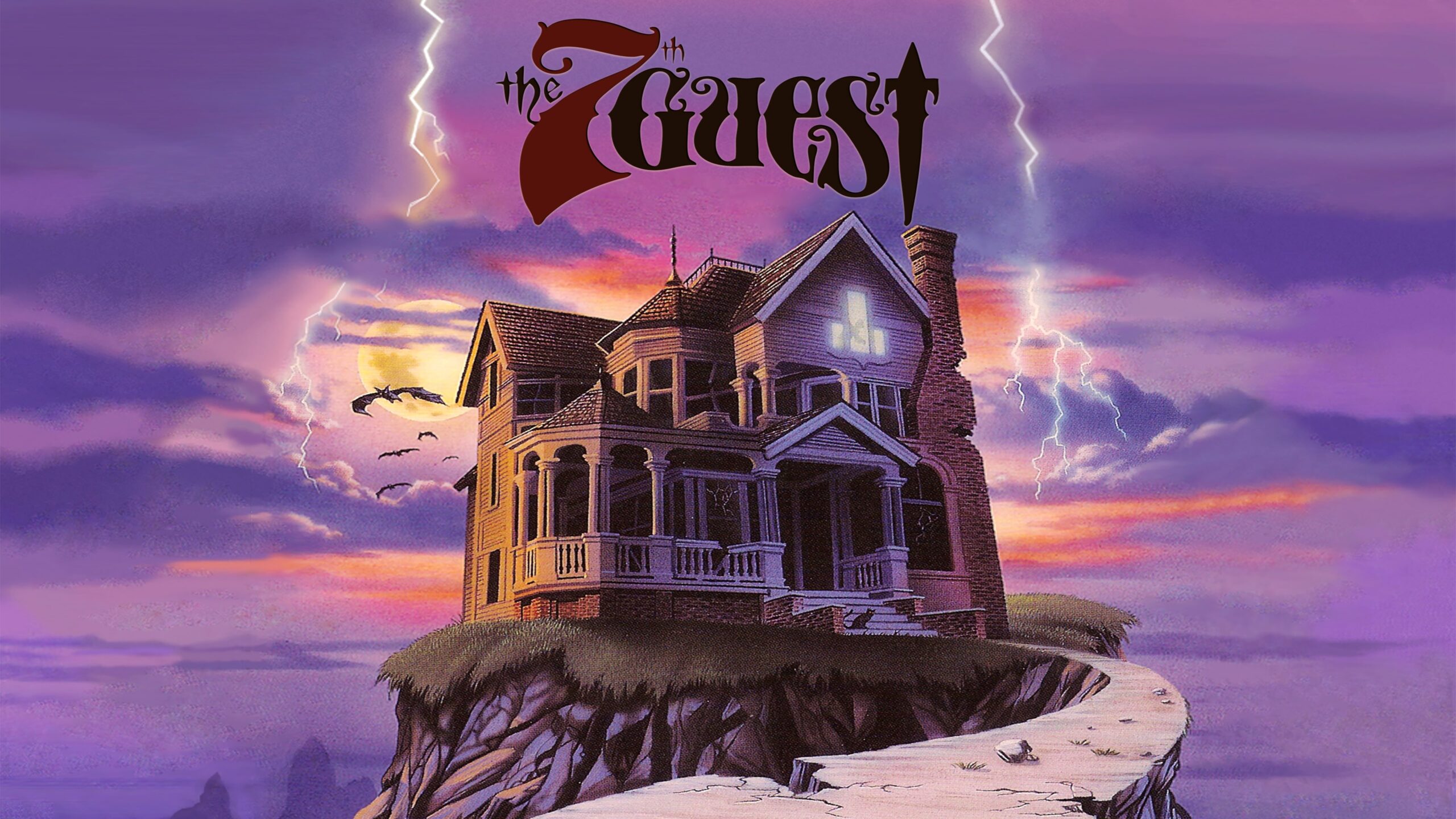
unfortunately, the laserdisc became obsolete rather quickly in the world of arcade games. but home consoles and PC games were on the rise, and a hot, new technology called the compact disc was becoming the preferred storage method for game devs. this shift gave us the iconic 7th Guest (Trilobyte: 1993) and, of course, Night Trap (Digital Pictures: 1992).
however, the time of the FMV game came to an end almost as quickly as it started. there are a few factors as to why FMV fell out of fashion. the first, and most obvious answer is that they were expensive to produce and play. the hardware necessary to produce these games were new and untested, and while a few million dollars doesn’t sound like that much of a budget for video games today, EA and Sony spending the same as hollywood blockbusters was absolutely insane in the 1990s. not only that, but these games usually retailed between $70-$80 USD, which was anywhere from $150-$170 USD today. the hardware necessary to run them was also insanely expensive. for example, the Philips CD-i cost $1,000 USD when it was released in 1991, which is $2,309 in 2024. imagine if the nintendo switch 2 cost MULTIPLE THOUSANDS OF DOLLARS. these games also featured very little gameplay, obtuse puzzles that asked you to make incredible leaps in logic, poor reactivity, etc. etc.
but, as i look back on this era and learn more about the games that were produced, i can’t help but get swept up in the bandwagon and believe that for one bright, shining moment, FMV really was the future of video games.
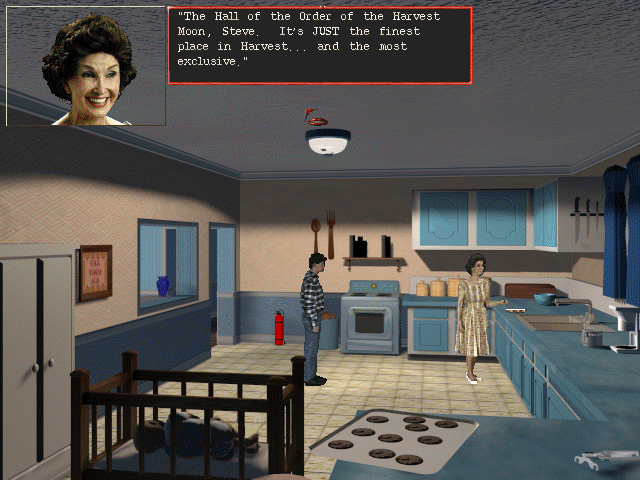
FMV game youtube videos
i will try to include at least one playthough/video about each game i talked about in this post
- The Beast Within: A Gabriel Knight Mystery
- FMV Horror | A Strange Moment in Gaming History | Majuular (starting at 1:05:36)
- Phantasmagoria
- Phantasmagoria is an FMV-Horror Masterpiece (No, really!) | RagnarRox
- FMV Horror | A Strange Moment in Gaming History | Majuular (starting at 40:30)
- We love smoking and getting cheated on | PHANTASMAGORIA | Game Grumps
- Bad Mojo
- Bad Mojo | Forgotten Games | RagnarRox
- Are We Roachatouille? | BAD MOJO | Game Grumps
- FMV Horror | A Strange Moment in Gaming History | Majuular (starting at 1:38:52)
- Dragon’s Lair
- Dragon’s Lair | Game Grumps
- Dragon’s Lair 2: Time Warp | Game Grumps
- Halcyon Dreams: The Legacy of Dragon’s Lair | hbomberguy
- Who Shot Johnny Rock?
- Who Shot Johnny Rock? And everyone else in this game? | Game Grumps
- Mad Dog McCree
- Mad Dog McCree: Draw! – PART 1 | Game Grumps
- 7th Guest
- FMV Horror | A Strange Moment in Gaming History | Majuular (starting at 23:07)
- 12 year old Dan is FREAKING OUT | Game Grumps
- Did these games deserve better? | The 7th Guest/11th Hour | Space Quest Historian
- Night Trap
- FMV Horror | A Strange Moment in Gaming History | Majuular (starting at 6:37)
- WATCH OUT BEHIND YOU | jacksepticeye
- Night Trap: 25 Years Later | My Life in Gaming
- Harvester
- FMV Horror | A Strange Moment in Gaming History | Majuular (starting at 1:55:08)
- Harvester Review | The Wacky Adventures of Sigma Steve | Majuular
- Live action cutscenes are ALWAYS hilarious | Game Grumps


Mack! This is such a great post, I learned so much about FMV games. Your comment about how all of these games are garbage made me laugh.
I have a weird relationship with these games. On one hand, I totally understand why these big publishers tried to make these games, I think the idea of having professional actors involved in cutscenes is super cool. I also understand why they failed, costs aside, these games are some of the most uncanny games you can play. I wonder why that is; you would think that having real actors would result in the most natural dialogue. However, seeing low-poly Link or Cloud running around feels way more natural than these FMV games. I think this uncanny feeling is why FMV was employed in horror games more than others. Would you count Until Dawn as an FMV?