I am a big fan of the superhero genre. One of the things that really draws me to it is the character designs; not just the literal designs of the characters, but the personalities and powers. Superheroes, particularly from Marvel and DC, are generally designed in a way such that they have a pretty stable base or status quo that stories disrupt in various ways. These make them recognizable across stories, which is particularly important for comics as a medium.
Nowhere is this highlighted better than team books, like the Avengers or Justice League. Mark Waid, one of the most important and influential superhero comic writers ever, said the following: “When you’re writing a team book where every character already has his or her own series, you don’t have dominion over them as individuals – but what you can exploit is their relationships with one another.” Generally, the big status quo changes will occur in each character’s own book, but a team book can be utilized to explore and develop relationships between the characters. This is particularly important for ongoing universes like Marvel and DC, as part of the enjoyment is how the stories and characters interplay across books.

For the same reasons I am drawn to superheroes, I am often drawn to games with big rosters of superpowered characters, like hero shooters, fighting games, or gachas. Aesthetically, Overwatch, Street Fighter, and Zenless Zone Zero are basically superhero games. But what these games offer that comic books don’t is the ability for the player to develop and control those teams.
For example, in Zenless Zone Zero (ZZZ), a game I have already talked about, the player choses three characters to form a team. One of my most commonly used teams is Grace/Vivian/Astra. Grace is a robot technician who works for a construction company, Vivian is a phantom thief, and Astra is a pop star. These characters have no reason to know each other, let alone work together, in a “realistic” sense. But because of the gameplay of ZZZ, they get put together; more accurately, I put them together. There is an association and a relationship developed between the characters not through the story but through how they work mechanically and how I use them in the game.
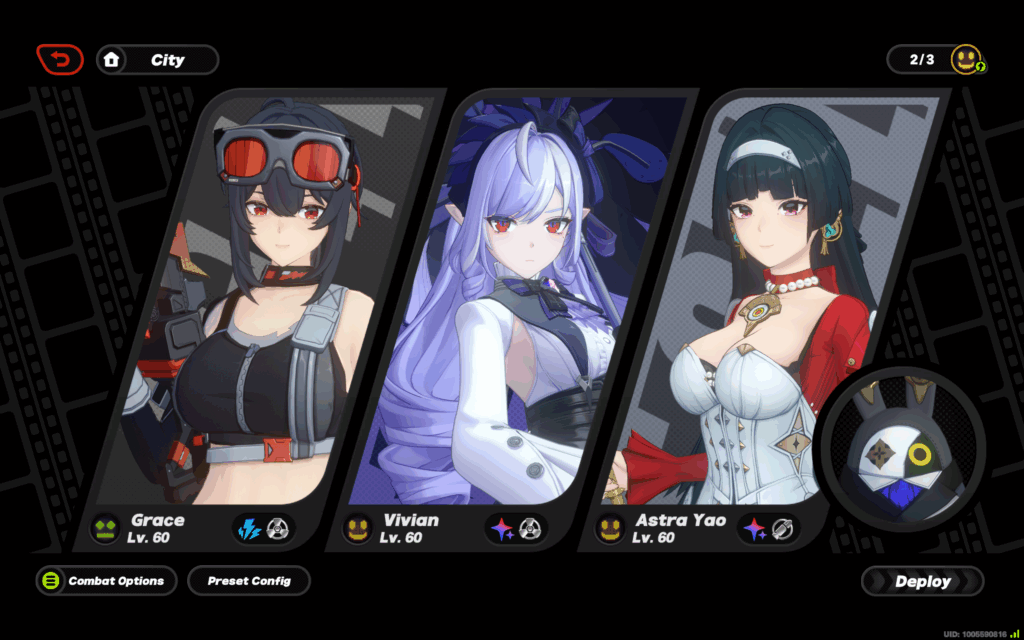
This is where player agency comes in. I choose which characters I play and in what teams. I could play, for example, Grace with Burnice and Caesar, and that would create a different experience and different associations. There are aspects of the game that push towards certain team compositions, like character archetype and element, but even still there are plenty of different teams that can be built. By choosing which characters I play—whether it is because I like their designs, characterization, and/or playstyle—I define my own experience in the game. Other players will have different experiences and associations due to the teams they use. I am not only developing connections between my characters as I learn to use them together and think of them as a unit, but I am also shaping my own experience. All of this is predicated on the ability for me to choose which characters I want to use, on my agency.
I see this player-designed experience as a middle ground between a defined story, like in a comic book, and imaginative play, like with action figures. A comic book (generally) has no “input” from its readers; the story is what is presented on the page. The advantage comic books have is that they develop the characters’ relationships in complex and interesting ways because they are narrative focused. On the flip side, action figures allow complete freedom for the players, a total sandbox of imagination. Stories can develop in any imaginable direction and are often improvised than written out and revised like a comic. Games like ZZZ then sit in a middle ground, where the rules of the game restrict player freedom and force a different kind of creativity to succeed. The “story,” which can be considered whatever “winning” means in the context of the particular game, does not have the narrative quality of a comic nor the sheer freedom of imaginative play, but develops within defined parameters of the game through the player’s actions and gives a challenge to beat. All three of these are worthwhile; my goal is not to disparage one, but rather to showcase what makes videogames unique in approaching these issues.
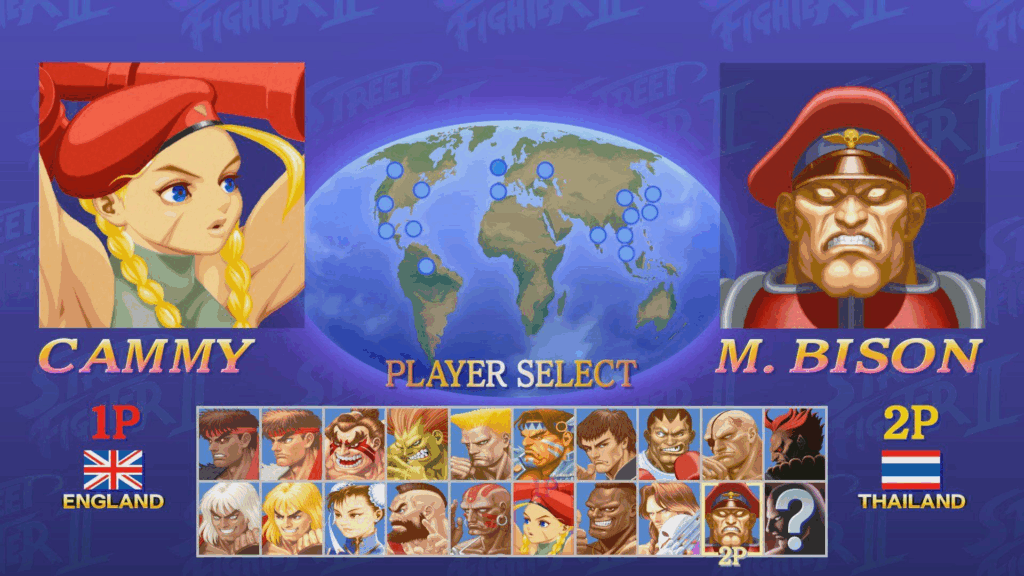
ZZZ is also a single player game, so only my experiences and agency are affecting how I view the game. But many games with rosters like these are multiplayer, whether cooperative, competitive, or both. That introduces an entirely new element: the other player(s)’ agency. For example, in Street Fighter, both players are going to pick a character and then fight each other. Each character will have his own strengths and weaknesses and have good and bad matchups against other characters. Additionally, each opponent will be different, both in the character(s) he uses and playstyle. Therefore, in multiplayer, competitive games like Street Fighter, the way I play and view the game and the “story” that is developed is defined not only by only my choices, but also my opponent’s.
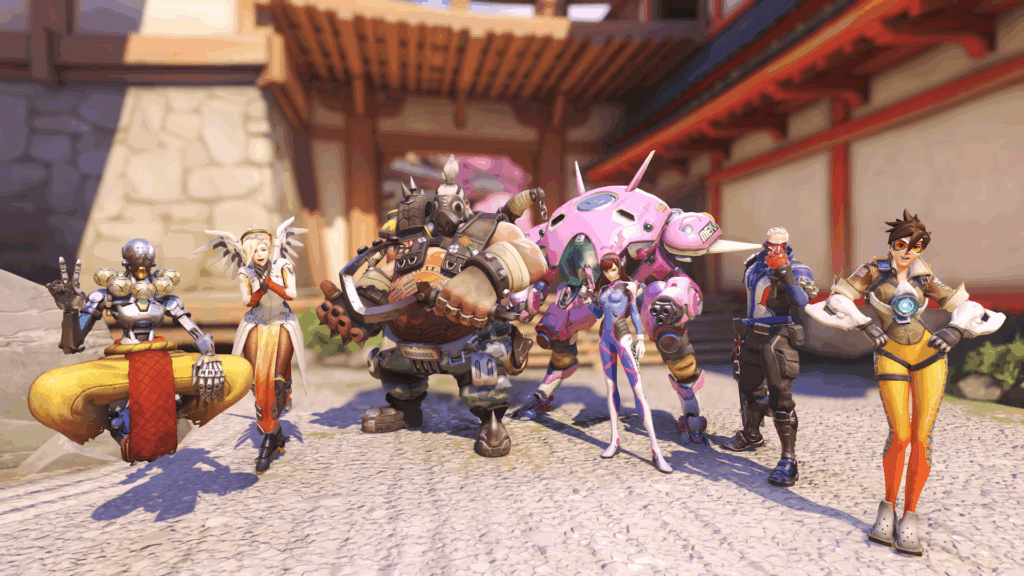
For an example of a cooperative game, Overwatch has a six-person team. Like in ZZZ, there will be character associations formed based on the different players on the team and how teams are composed. Unlike ZZZ, though, those characters aren’t just chosen by me, but also by my teammates who play them. This means those group dynamics aren’t the result of a singular player’s agency, but collective agency. And this is without considering the other team, who is doing the exact same thing, again invoking the competitive element.
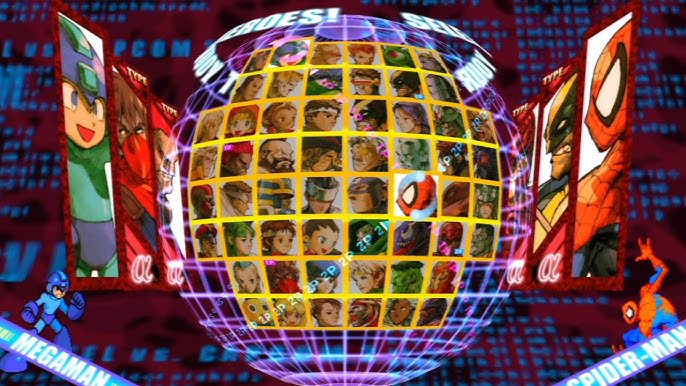
To bring this full circle, there are examples of all of these being done in games with superheroes, specifically Marvel characters. The Marvel vs. Capcom series is a tag-team fighting game, meaning it has the single-player team building of ZZZ and the competitive aspects of Street Fighter and Overwatch. Marvel Rivals is a hero-shooter like Overwatch, so it has the collaborative team building and competitive aspects.
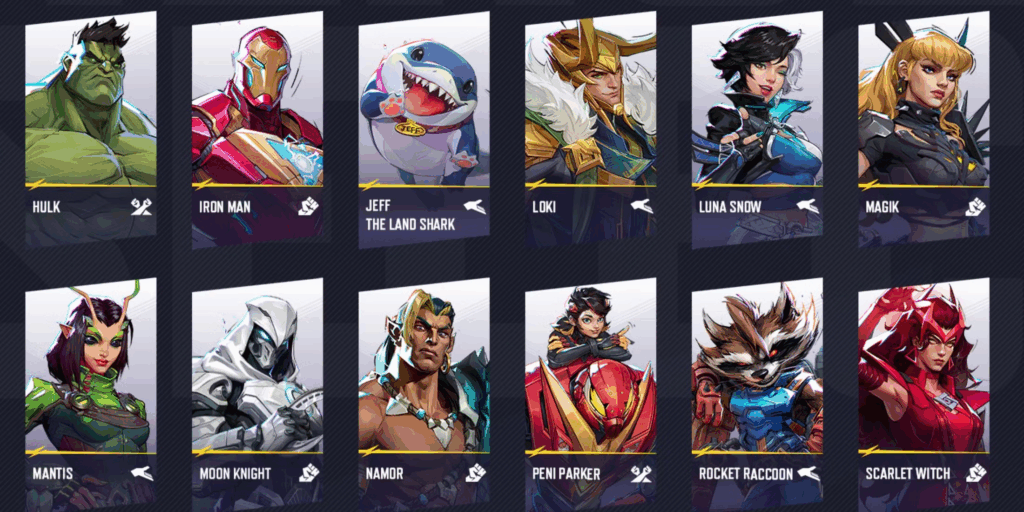
In games with character selection like the ones discussed, a significant amount of the experience of playing is dictated by what the player chooses. These are game-defined choices, not character creators, but it is still the player(s)’ agency that develops the unique experience, whether the games are single or multiplayer, competitive or cooperative. It’s a unique ability video games can offer and is one of my favorite aspects of games.


This was a really interesting read, I liked how you talked about the importance of relationships between characters and that being an avenue for writers to work with when characters already have their own individual stories. I haven’t thought of the agency that this freedom to match up characters in a game give players beforehand though, although I think its’s very prevalent in fandom culture. For example, there’s a gacha game called cookie run kingdom where the game play is simple and idling but there’s a very robust fandom based around possibilities of the kind of relationships that the characters could have with each other. If anything, I think generally the kind of connections between characters is the most narratively compelling part of any kind of game [with multiple characters].
I agree with a lot of things here, especially with how the choice of different character and their effect on the experience differs between genres. At least in Overwatch, it doesn’t feel like you have a lot of agency when you have five people yelling at you to stop playing as Zenyatta.
The way characters from different stories are grouped together in team books, I feel, is usually is usually done in fighting games. Though they aren’t in the same universe, it’s cool to see Mega Man talk to Leon Kennedy. I feel that the Super Smash Bros. series is quite limited in that regard; the lack of any explicit interactions between characters in gameplay since Subspace Emissary is a little disappointing to me. I know the point isn’t narrative and Smash will probably never have a defined story, but even a few lines at the end of each match would make the world feel more shared.
I agree with much of what you said in regards to the single player games, but I do think that when it comes to the multiplayer games like Marvel Rivals or Overwatch and interesting analysis could be made about the “moral” need for players to pick a certain character. In many matchups, players are heavily incentivized to swallow their character pride and agency to pick a different, more suitable character. Even if you are willing to tough it out with your favorite hero, your team will almost certainly not be. You are almost labeled a “bad person” if you choose to play your character against their bad matchup, because you are putting your teammates at a disadvantage. The team, which is depending on you, is being let down by your own player agency.