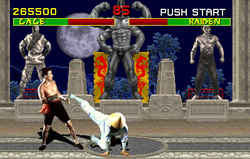
During the Games + Chicago: Then & Now, I had the pleasure of hearing from well-established and up-and-coming members of the Chicago video game industry, including Chris Granner, a composer for pinball machines, and Joshua Tsui, a game producer for Mortal Kombat. What struck me as interesting was the prevalence of shorter games in Chicago’s gaming culture, specifically short arcade games that can take from a few minutes to just a few seconds to play.
Arcade games often feature fast competition against another player or an existing high score. While I like my share of pinball games and arcade games, I had a previous conception that regulars at arcades were participating in the “brain rot” culture because these games, while often challenging at first, become relatively easy or at least repetitive. However, the critical discussion about prevalent arcade culture in Chicago has made me realize that arcades can be a rich place for entertainment and socialization.
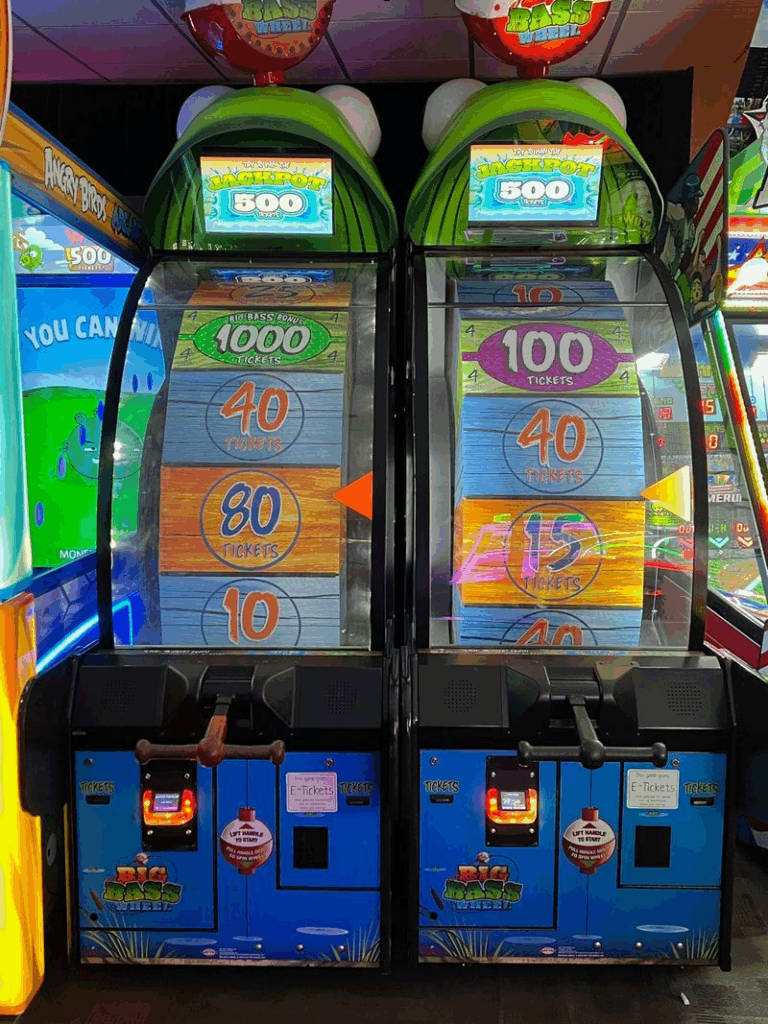
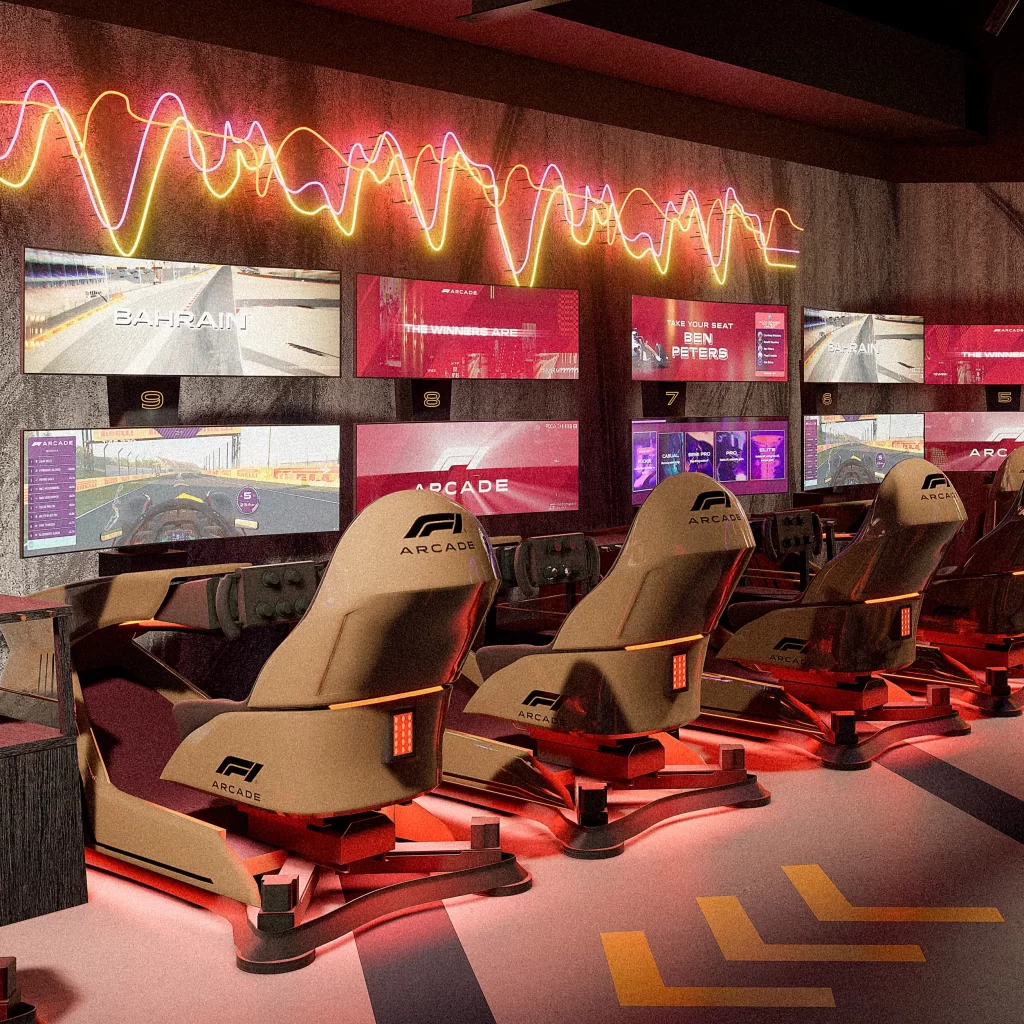
Arcade games’ short playtime and low cost (relative to buying a home console) make them an approachable activity for many. From my experience, going to an arcade doesn’t require much skill. I remember using credits at Stars and Strikes to spin the Big Bass Wheel with my sister and cheering for the needle to land on a large number—yay childhood gambling! The game’s simplicity and luck-based mechanism made the game welcoming to play. More recently, I went to an F1 arcade in Boston for a team-bonding work event, and though I didn’t fare well with the complicated controls, it was still an opportunity for friendly competition and socialization. Most people at the F1 arcade weren’t devoted gamers, just people passionate about F1 or more frequently part of a group event.
Although short games can be approachable to newcomers, more intense arcade communities may prove difficult to get involved in. Though they can be affordable to play just once, a dedicated player may spend significant amounts of time and money to become a skilled player.
Arcade games may take many hours of commitment to catch up to more skilled friends’ levels. One of the panelists mentioned how he spent $500 playing Space Invaders to be the best at his arcade.
I’m not particularly interested in becoming involved in Chicago’s arcade community, but I would love to hear anyone’s thoughts about the ease of entry into different gaming communities. What gaming communities are exceptionally easy or difficult to become involved in and why?
Also shoutout to the moderator Katherine Buse—I loved her Planetary Media class!