As someone who doesn’t play a lot of video games, I’ve never really considered careers in the gaming industry. Not to mention, I’ve never played a single Riot game, so my knowledge of the company’s games – their lore, mechanics, and production cycles – was also very limited (unless you count watching both seasons of Arcane as consumption of League of Legends).
I do, however, have a lot of interest in pursuing a career in UI or UX design, which is why I thought the Careers in Gaming panel might give me insight into what roles between these fields overlap. Plus, having consumed the occasional snippet of League and Valorant gameplay from online streamers, I appreciate the level of artistic detail Riot incorporates into their character designs and in-game environments. These factors informed my choice to attend the Careers in Gaming panel, and I don’t regret a single second of it.
One surprising – and reassuring – aspect of the panel was the range in college backgrounds among the panelists. Each pursued a different area of study for undergrad: Annie majored in French, Tim in Film Studies, and Katherine in MADD and Computer Science. Excluding Katherine, none of them landed their current role – or even worked in the same industry – immediately upon graduating.
Hearing them speak about the internships and gigs they pursued before reaching their current positions was very insightful; each explorative, skillbuilding opportunity they took on allowed them to hone into their niche. As someone who is intimidated by uncertainty, listening to them speak so comfortably about trying projects outside their comfort zone or expertise shifted my perception about facing adversity. I learned that an attitude of openness towards developing skills in spite of knowledge gaps is often the driving point of professional success – especially since the smaller indie game companies that people often start off in require they wear a lot of hats. It’s the genuine drive to see a project through until the end that precedes the development of a robust skillset.
I was also blown away by the sample projects shown to introduce each panelist’s work – particularly Annie’s storyboarding for G.I Robot’s introduction in Creature Commandos. The dynamic shots and angles appeared almost film-like, conveying both explicit and implicit details about G.I Robot’s backstory, motivations, and relations with the rest of the main cast. Each frame was not drawn to be eye-catching for spectacle’s sake, but rather designed in a manner that – when stitched non-linearly with every other scene – allowed the viewer to make sense of how G.I Robot’s past paralleled his present.
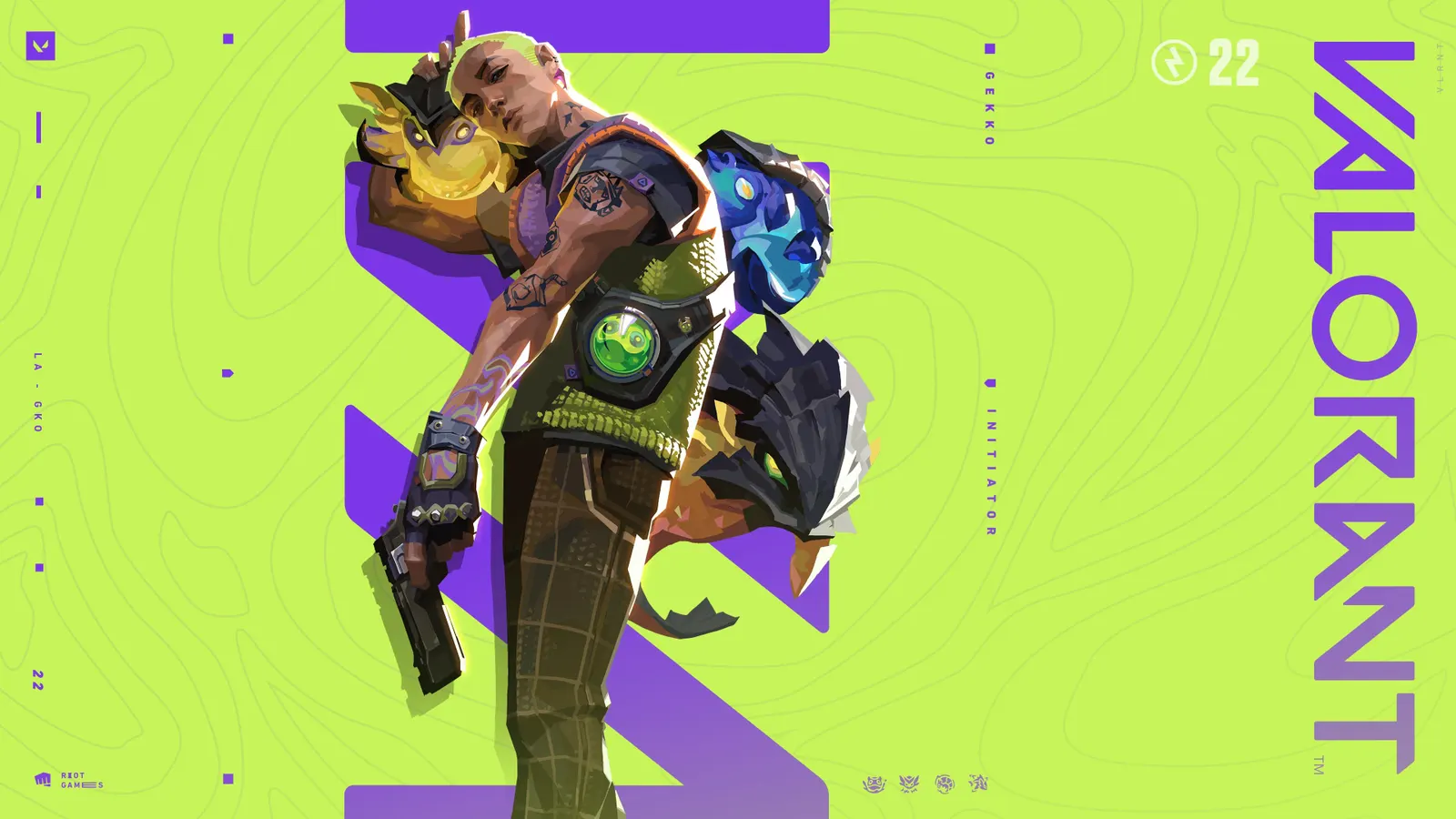
Lembke’s walkthrough of the making of Gecko’s character trailer was similarly inspiring. His explanation of the various steps taken to “get a feel” for Gecko’s character and articulate his core identities was very thorough, illuminating the deep considerations and narrative choices factored into situating him within the broader world of Valorant. Seeing the moodboards, location scouting, music production, and scripting that informed the final animated video made me really admire the effort and care put into giving Gecko depth: he was not just a vague, one-dimensional character shoehorned into an arbitrary setting.
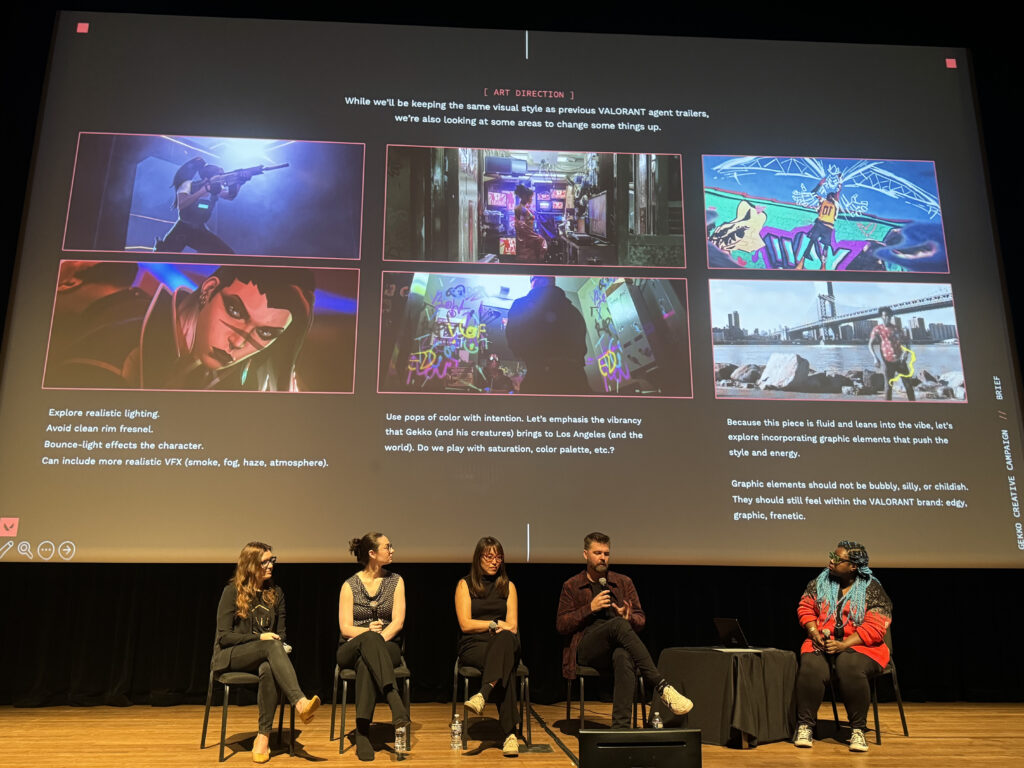
Finally, the panel also offered a great deal of advice for portfolio building. Tim and Katherine stressed the importance of taking the initiative to work on ambitious projects outside of assigned coursework in order to become comfortable with the constant troubleshooting processes common to game development. Annie expanded on this idea by warning against getting pigeonholed into a certain role, explaining that getting comfortable in an area of specialty may stagnate growth and limit opportunities. Altogether, their advice balanced encouraging those interested to start or continue enhancing their body of work, while also being frank about the commitment required to maintain consistent growth.
Overall, I think that attending the Careers in Gaming panel has inspired me a great deal to consider the game industry as a viable avenue for pursuing my creative interests. Though I may not know exactly what specialization I want to take on, I feel assured that there are abundant resources and opportunities I can exploit to figure out my particular interests.


I wasn’t able to attend this panel, so thank you for your insightful information! Like you, I’ve only watched both seasons of Arcane and haven’t played League of Legends either, and I didn’t really considered a career in video games either. It’s interesting to learn that most of the panelists didn’t start in gaming. I feel like the advice of the panelists can be applied to other fields as well, like trying to expand your skillset rather than being pigeonholed early in your career.
While I don’t think I’ll go into the gaming industry, I appreciate that this class is giving me the tools to understand the main principles of video game studies and the industry so I won’t be thrown into the deep end if I decide to go that route. Something I’ve also learned from this class though is that it would be difficult to find an industry without some gamification, making this class all the more valuable.