
this is part one of a two-part blog about one of the games for this week, replica, and the “games + the academy” panel from the year of games opening symposium. they’re separated into two parts because i have to make one post about YoG and another post about this week’s games, but they were melded together in my mind. this post is about replica.
replica is the kind of game that my brother would hate.
if you’ve heard me talk about games even a little bit, you’ve probably heard me say that i wasn’t allowed to play games growing up. the only games i had access to were every just dance title published between 2009 and 2017, and whatever my brother was into. now my brother (who is, five years older than me, by the way) is unique in a number of ways, but he’s mostly very average. the games industry would see him as their lowest common denominator if he was white, but being cisgender, heterosexual, able-bodied, american, and stereotypically/traditionally masculine is close enough. until i was approximately 16, my entire view of what a video game could be was limited to call of duty, NBA 2K, and madden NFL.
to my brother, replica wouldn’t be a real game.
as i grew older, there were a number of games that i enjoyed that my brother didn’t think were “real” games: undertale, cuphead, hades, stardew valley, HER interactive’s nancy drew games, night in the woods, firewatch, inscyption, dragon age, the list goes on and on. to me, none of these games have a lot in common besides not being an FPS (first-person shooter), or really having anything to do with guns, the military, shooting, etc. but to my brother, all of these games are in the same “not-game” category.
replica, i think, would also fit into this category.
to anyone who’s played it, i think it’s obvious why replica could be considered not a “real” game. there were a number of indie games that followed a similar format in the mid to late 2010s; i’m thinking specifically about simulacra (Kaigan Games; 2017) and emily is away (Kyle Seeley; 2015). i’m not really sure what this trend is, but i do remember my brother walking into my room while i was watching jacksepticeye play both of those games and telling me how they weren’t “real” games.
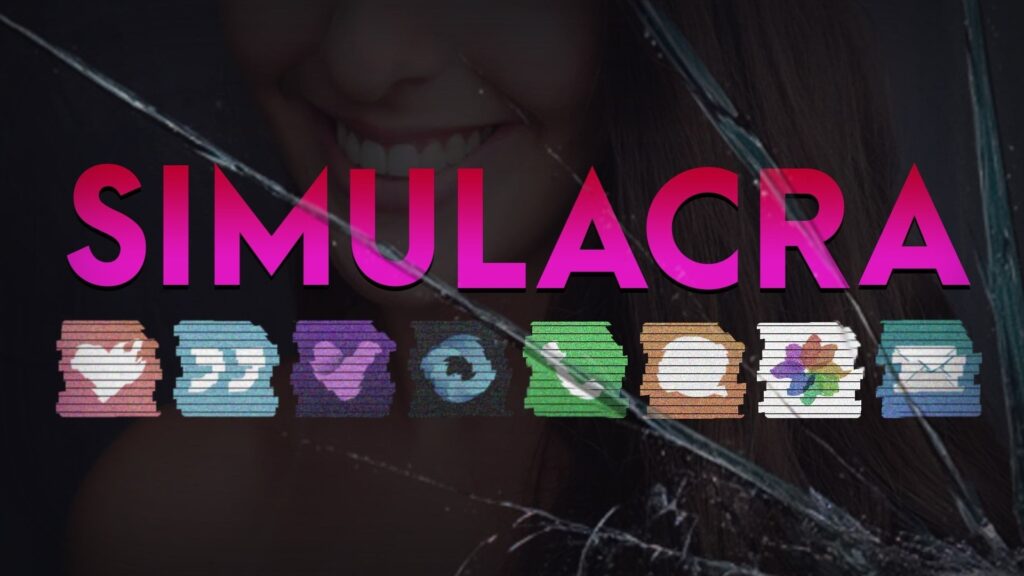

this impulse, i think, is reflected in the narratology vs. ludology argument that jenkins discusses. this argument, which, as far as i know, has fallen to the wayside, feels a bit like me and my brother. real gamers care about mechanics! only english majors care about the story! but replica wouldn’t work if it wasn’t on a phone, now would it? the specific feeling of having your privacy invaded or surveilled is acutely achieved through the cellphone. the interactivity of clicking on apps, scrolling through messages, answering phone calls (or not) is all supporting the somewhat exaggerated experience of neo-fascism and the surveillance state. this is not to say that the COD lobbies my brother spent his formative years in couldn’t make similar arguments, or offer a similar experience, but it’s the specificity of al of these interactions, all of the design choices, all of everything that comes together to make you feel… weird. or at least, it made me feel weird.
because i frequently forgot that i was “playing” a game, whatever that means.