The year 2024 marked one of the the game industry’s lowest points after the COVID gaming bubble popped: over 16,000 people were laid off, major cuts were occurring in budgets, and many small companies had to shut down. The Game Developer’s Conference released a survey in 2025 that revealed around 40% of game developers were impacted by the layoffs and major cuts, leaving many people in the industry and people looking to break into it very uncertain about the future.
Among many people looking to break into the industry, there seems to be a notion that you have to have a resume and portfolio geared only towards games–but that is incorrect. The game industry is much more than the lines of code and pixels that go into creating a video game. It is a multifaceted industry with roles in film, business, research, and much more.

I had the opportunity to attend the Year of Games Symposium “Careers in Gaming with Riot Games” panel. As someone who is uncertain of her future career path, I attended the panel in order to get an idea of what a job in the game industry would be like. I left the session feeling inspired and hopeful, and I wanted to sum up the main pieces of advice I got out of the session.
The Game Industry Does Not Just Consist of Game Developers
In hindsight, this is an obvious fact, but I always felt too intimidated to look towards the game industry for employment because I thought the only creative part of the industry was game development, and then it felt like I have to go into game development. However, the speakers at the panel consisted of associate producer Katherine Waterman, film and TV editor Annie De Brock, and creative director Tim Lembke–decidedly not game developers–who discussed in length about their roles at Riot Games.
Katherine Waterman manages and communicates information between teams in order to facilitate project development, Annie De Brock creates video content such as animation for advertising projects and was even nominated for the 2025 Annie Award, and Tim Lembke plans and designs the creative vision of games and advertisements.
None of what I mentioned involved writing even a single line of code, and there are many more roles involved in the game-making process that do not require a large technical background. Knowing about the other possible creative work and positions that keep the game industry afloat makes it a lot less daunting to go into the industry.
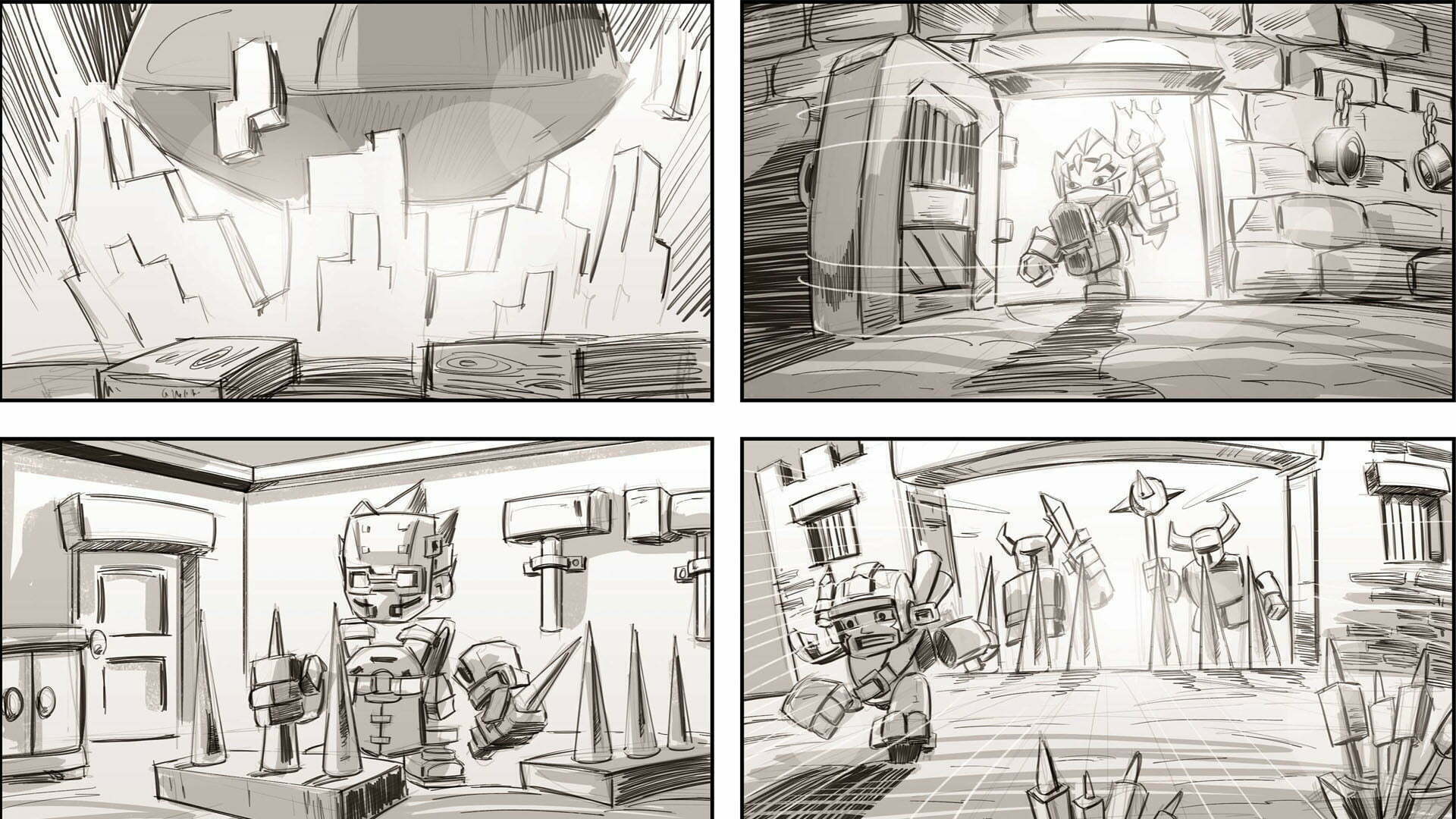
2D Sky Saga Story Board Illustration
Majors Do and Don’t Matter
When asked about it, the panelists replied that a major does not have to define what job you go into, nor does it have to be directly related.

Annie De Brock was a French major, but she is now in animation. While she does not use her major in her work life that much, she still found a fulfilling job within the game industry.
Tim Lembke was a philosophy major, which does not directly correlate with game design, but he still manages to use it in his job. The critical thinking and other point of views that his major taught him about allows him to think outside of the box and bring fresh, new ideas to the table.
Katherine Waterman’s was a CS/MADD major here at UChicago, and while it lends itself more closely to games, both majors allowed her to expand her repertoire in game design. She understands it and can explain it, and it makes communicating ideas between teams much easier for her because she knows what she has to talk about.
A major does not define your future, but it can provide the necessary tools for any future career, not just the job you think your major fits best in.
Never Stop Learning
Before and after applying for jobs, the panelists emphasized that increasing your repertoire is very important. Having a good understanding of multiple things makes your toolkit more diverse, making yourself a much stronger candidate by being a jack-of-all trades. Even while you have a job, learning more new things and increasing the amount of things you are capable of doing prevents you from stagnating.

Conclusion
Despite the game industry crash in 2024 and all of the uncertainty after the COVID game bubble popped, there are still potential job avenues and it is not as bleak as it appears.
I left the panel much more excited and hopeful for the future and much more open to potential job opportunities, and I hope you learned something either from this panel or even this little blog post of mine.