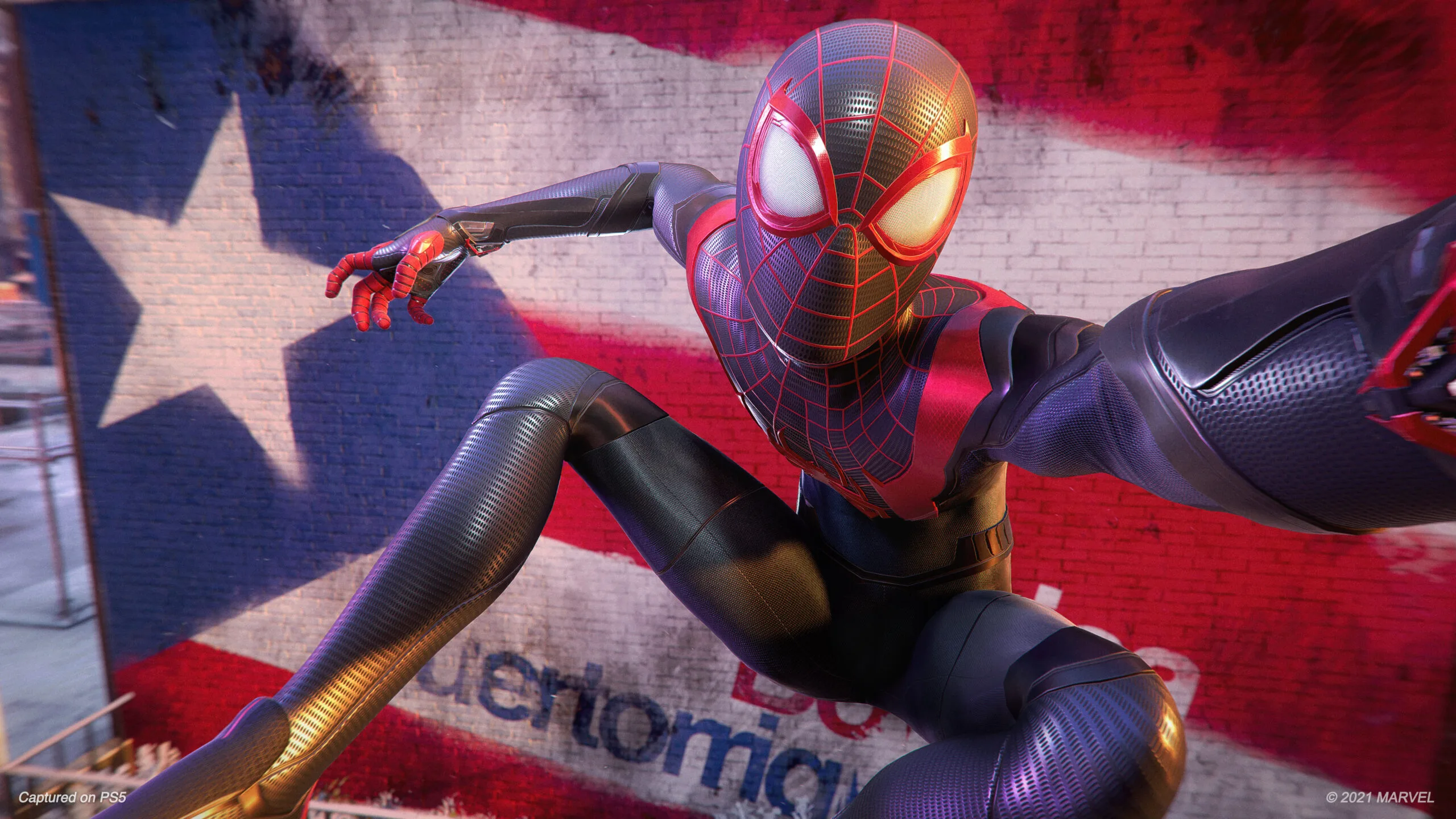
Can video games provide a blueprint for getting representation right?
Last week’s UChicago “Year of Games” panel asked that question head-on—and it landed squarely on Evan Narcisse. A former New York Times journalist turned Marvel/DC writer, he’s shaped gaming narratives through comics like Black Panther and Wallander vs Wildstorm, then contributed to Marvel’s Spider-Man 2. His work isn’t just industry commentary; it’s lived storytelling. That’s why his perspective matters now: how he reimagined representation in Spider-Man: Miles Morales is a unique window into how writers can create compelling characters without feeling like pandering.
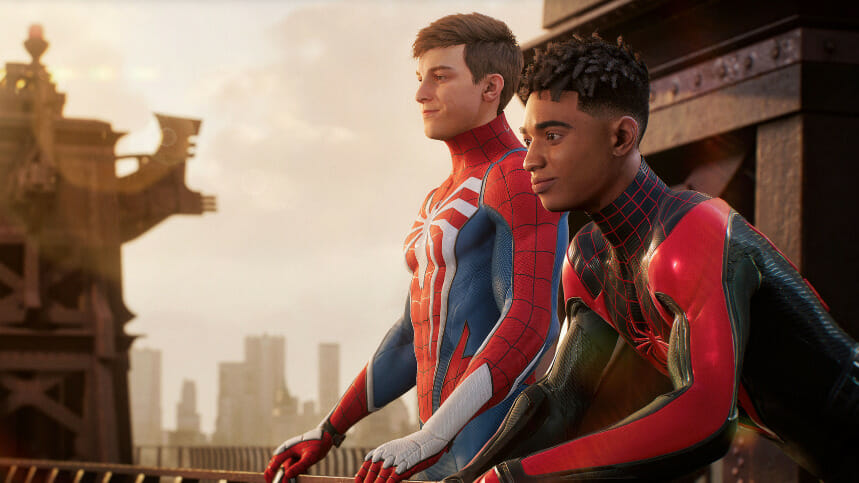
Evan grounded representation in Miles’ quiet moments: the kitchen where his mother cooks Puerto Rican rice for Christmas dinner, the sounds of Merengue and Bachata over the radio, the warm chatter of Spanish as they prepare for family. Players feel this through sensory details without ever reducing identity to a symbol. This isn’t about preaching inclusion; it’s about showing how Miles’ cultural roots shape his choices. Meanwhile, Peter Parker grows increasingly disconnected as friendships fracture under tension he can’t resolve. His volatility rises until Miles steps in—not with words, but by creating space for belonging where Peter feels most alone, a characteristic emblematic of Puerto Rican culture. The contrast isn’t about one character being “better”; it reveals how cultural connection becomes a stabilizing force when others lose their footing. That’s why Evan’s work matters now.
Denzel Washington said in an interview: “It’s not color—it’s culture.” He explained that cultural differences matter most when you know what they mean in context. This is exactly what Evan showed in Miles—how culture can become a point of stability and connection between characters and audiences alike. Representation matters. There’s no disputing that, but its equally important how that representation is crafted. The medium of video games can provide us a unique vehicle for understanding each other in a way other mediums fall short in. Through contextual and respectful understanding of different cultures and traditions, we all take another step closer to a world where respect and empathy becomes the standard for everything we do in life.


One quick nitpick, it’s “Waller Vs Wildstorm”, not “Wallander vs Wildstorm”.
As for the actual meat of your post, I think it is really insightful into the ways representation can be shown and can matter both in video games and in other mediums.
After reading this post, I came to a (tangential) realization:
Something super important about representation in video games is that unlike other forms of media, you can literally embody characters/ culture. Representation in movies, music, and art is important, but the viewer is somewhat disconnected from it due to the manner in which you engage with it, which is visually and/or sonically. Video games, on the other hand, give you the opportunity to experience representation and diversity first hand through the character that you are choosing to play as. Because of that, character and environment design in video games is so important! Having the small details that make the world feel real gives players a way to not only see themselves, but also to learn about someone else.