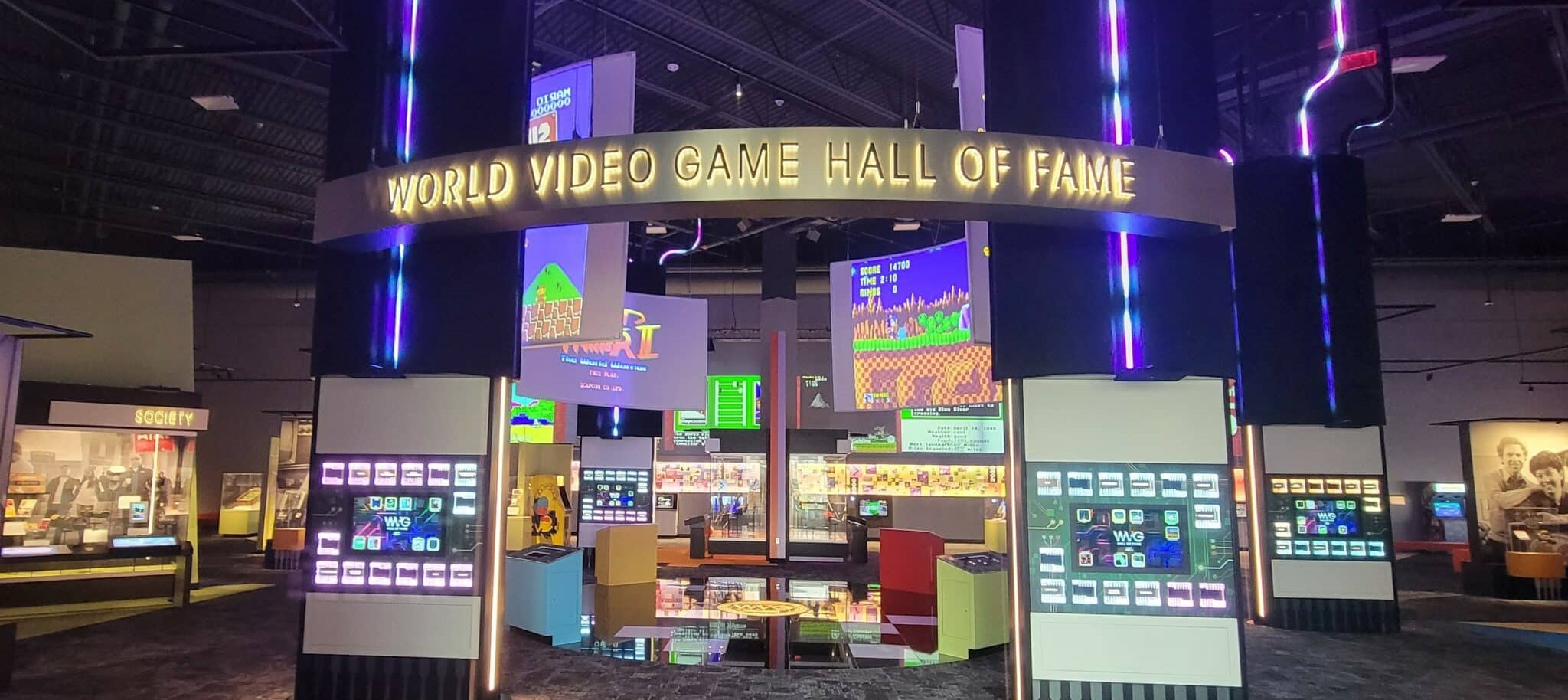
This is a very ambitious question that I set forth here and not one I plan to answer fully. However, after attending the Various Futures of Games Preservation panel during the Year of Games Opening Symposium, I am compelled to add my own thoughts to the conversation surrounding game preservation. Instinctively, we value the idea of preservation and passing on some kind of legacy. This certainly applies to things like games, which we spend weeks to decades of our lives playing. Many games shaped who I am as a person and formed the foundation of my friend group, and I imagine it is the same for others. Thus, we desire to preserve games to preserve that part of ourselves and to show it to others.
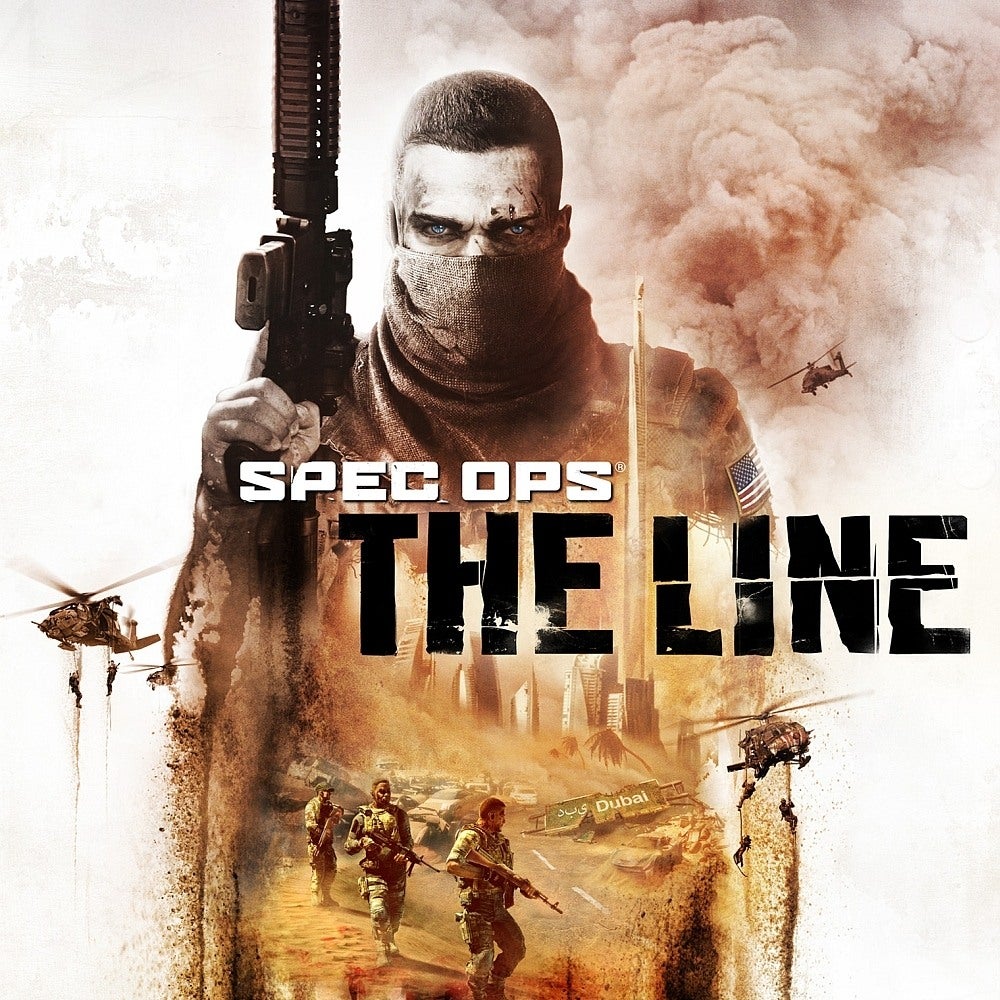
Furthermore, videogames are a form of art and social commentary. Our art is an insight into our culture and demonstrates what current players were thinking about. Many games are made by developers in response to trends in the real world or in the gaming world. For example, Spec Ops: The Line is a First Person Shooter (FPS), which slowly devolves into the horrors of war. The game targets players that usually revel in warfare by offering a classic FPS experience. Then, the player character begins to go insane as he is forced to commit the atrocities of war. The goal is that players realize the horror of the type of game that they usually enjoy playing. Other games examine concepts like power or the sense of safety, while more games comment on politics or societal issues. Lastly, many games serve as artistic experiences to be experienced and enjoyed.
So, given the importance of games, how do we do preserve games and which ones?
What Counts as Preservation?
One of the most important things I learned from the panel was that videogame preservation is quite limited in scope. Many things that I thought of as preservation do not actually fall under that scope. For instance, UChicago’s MADD Center collects retro videogames and consoles so that students can play and enjoy them and so that scholars can research them. This is not preservation, as every use of the console and videogame degrades the items and the MADD Center does not take specific steps to prevent said degredation. Other collections of this nature also do not qualify as preservation, and many videogames in private collections that are saved in someone’s basement are not preserved. Yes, these games might survive, and researchers can recover them, but this is not preservation unless specific effort is done to ensure longevity.
In the end, three categories of people preserve games. First, the videogame industry preserves some games, most often by re-releasing old games in “anniversary” editions and the like. However, while this faithfully preserves the game content, the hardware fails to perfect duplicate the experience due to differences to the original consoles. Additionally, the industry is incentivized to tailor not only what games they re-release, but also the surrounding promotional material so that the industry is favorably displayed. Secondly, people on the internet do engage in preservation. Uploading games to an online archive or to the internet in general is a lot better than nothing, but these games possibly reside in local computers or exist in an altered state. The lack of context that often surrounds an uploaded videogame also hampers the efforts of future generations in understanding said game. Lastly, archival institutes, such as the archive at the Strong National Museum of Play, aim to preserve videogames in their original hardware and in such a manner that longevity is ensured. Many games in an archive of this sort cannot be played by the public, however, and the cost of preservation in this manner limits the number of games that can be preserved.
The Wide Range of Things to Preserve
I learned about another novel topic in videogame preservation, namely the wide range of things that can be preserved. As I mentioned above, a videogame counts as more than the actual executable program. Everything peripheral to the game is important to truly understand the videogame. Of course, the hardware transfers a certain experience when playing, but also the conversations surrounding a game are important. Twitch streams, online articles, gaming conventions, and academic research all provide important context to a game that drastically changed the way we experienced it. Additionally, one of the panelists discussed how behind-the-scenes footage and documents often exist from the time of production. Having worked in the industry himself, he cautioned about how much knowledge and content is lost every time a studio shuts down. Can you really count a game as preserved if all that remains is the program itself and not any of the culture and context that used to surround it? The panelists really highlighted how many different elements of culture surround a videogame and how important these elements are.
The Issue of Resources
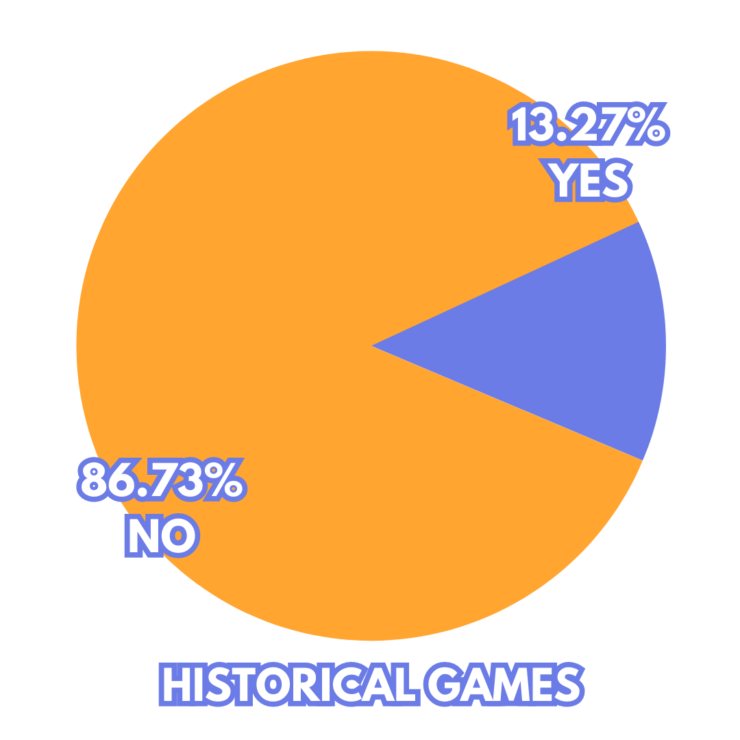

However, this leads us to an obvious issue. With so many videogames and so many things surrounding each game, you run out of resources to preserve them all. In the above graphs, we see two representations of a study done by The Video Game History Foundation that shows that 87% of classic videogames released in the US are not in release and are considered critically endangered. And this doesn’t even cover the context surrounding these games or classic games released outside of the US. I already understood that part of the issue was that we as a society simply do not value videogame preservation as much as, say, movie preservation. The videogame lobby has been very successful in denying certain copyright exemptions to videogame archives that are standard with movie or book archives. However, these numbers are still staggering. Additionally, the panelists discussed how grossly neglected foreign games are. While the U.S. and Japan have led the videogame industry for a long time, distribution of their games was not necessarily common to other parts of the world. A common Eastern European experience consisted of playing local replications of popular U.S. and Japanese games, which all had their own fanbases and culture surrounding them. This anecdote from the panel just further emphasized how vast the task of videogame preservation is.
What Games Deserve to Be Preserved?
All this finally brings me to what I actually wanted to discuss and to where I wanted to add my own thoughts to the conversation surrounding videogame preservation. Clearly, we need to prioritize what games get preserved, until things change in favor of preservation. I also think it is worthwhile asking whether every game should be preserved. While it would be amazing if we could do so, I am also aware that humans have very limited time. Small test projects created by game devs starting out or crappy cash-grab mobile games (that are low in popularity) will likely never be played again in the next 100 years even if they were perfectly preserved. Both retro gamers and academic game researchers have such a huge catalog of games, most of which are more fun or culturally significant, to choose from that I feel comfortable making this statistical estimate. Looking back into the history of texts as an example, 99% of texts from any given time period are probably lost to history. I also question the value of preserving texts like the instruction manual to your microwave for historical purposes. This same logic applies to videogames for the most part.
On the flipside, I enjoy niche games that would likely fall into this category outlined above. And I think it would be a shame if those videogames were lost, to a certain degree. But that doesn’t change the fact that I think the effort would be wasted. We, as a species, simply generate too many pieces of content, be it written texts or videogames, for all of them to matter. And if you then factor in all the content surrounding a game, say all Twitch streams of a videogame, then this content multiplies ridiculously. There are many games where it is impossible for one person to watch all livestreams of said games, even if they spent their entire lifespan doing so. It is a shame that not everything will be preserved, but I am ok with this for these reasons.
Now, all this goes to say that we should be selective in our preservation, not that we do not need to preserve more games. I agree that there are too many games that we have already lost and that preservation efforts are too small. But personally, I think it is more important to properly preserve a few influential games than preserve many games but with a more limited context. Videogames are the largest entertainment medium nowadays, and it would be a disservice not to capture all the culture that surrounds them. Now I leave the conversation to you. Do you, dear reader, agree with my focus of preservation efforts? And how do you think we can decide whether a game is influential enough to be worthy of preservation?


This was a really interesting read! Wondering about the last part where you mention preserving instructions; from the exhibition that we went to see during discussion section on Friday, some of the video game instruction manuals are either extremely intricate/beautiful or actually contain important information needed to complete the game in its entirety. I wonder at what point a videogame becomes ‘worthy’ of preservation.